By Alieu Ceesay
The absence of a national petroleum testing laboratory has left the Public Utilities Regulatory Authority (PURA) with no choice but to ship fuel samples to Senegal for quality analysis, prompting sharp criticism from lawmakers who warn that the practice undermines effective oversight of the country’s vital fuel sector.
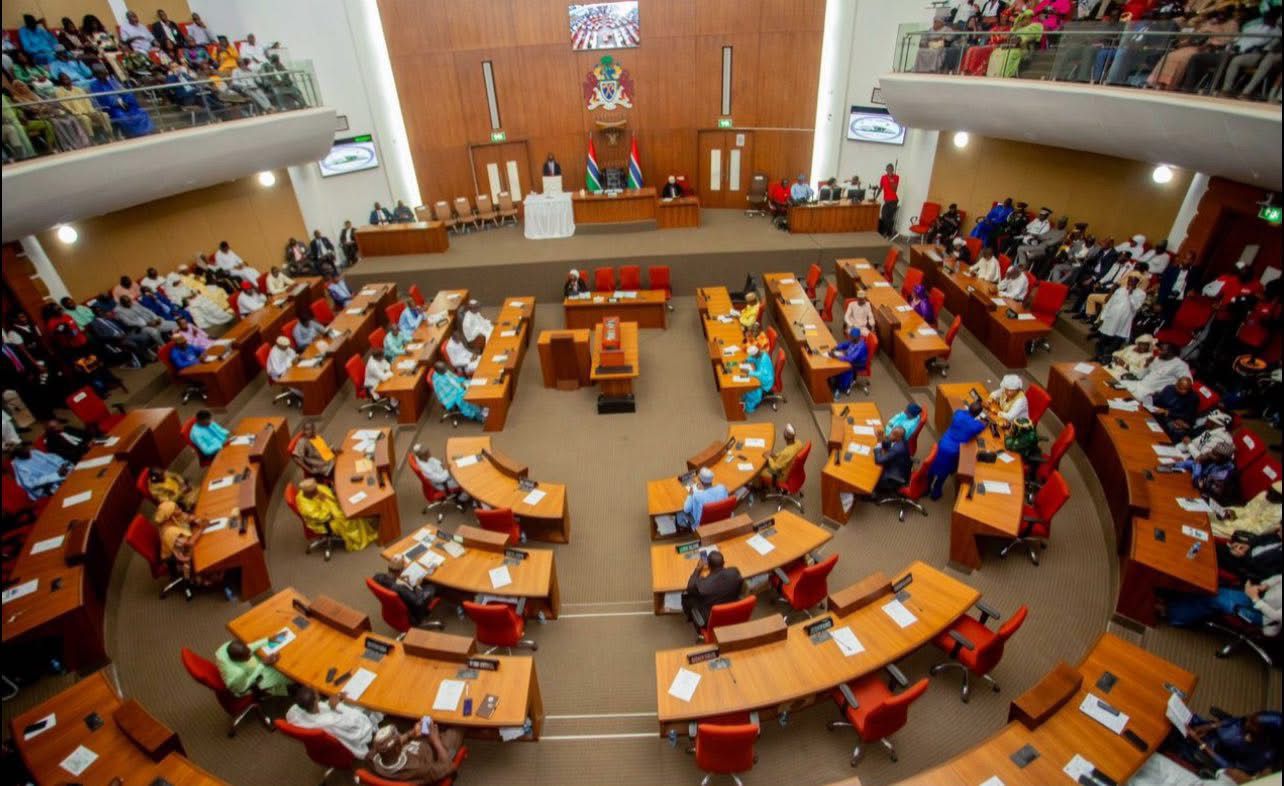
In a recent sitting of the Finance and Public Accounts Committee (FPAC), PURA officials disclosed the ongoing arrangement, describing it as a temporary workaround due to the lack of an accredited local facility capable of conducting reliable and timely testing.
Lawmakers voiced deep concerns over the implications, highlighting delays in results, escalating costs, and heightened risks to fuel quality regulation. “Transporting samples abroad is not a sustainable solution,” one committee member stated bluntly. “We need a functional lab here to ensure timely verification and safeguard public and industrial interests.”
PURA representatives defended the measure as a stopgap, stressing that accurate domestic testing requires proper accreditation and equipment. They expressed hope that the situation would soon improve through the SICPA project, a collaboration involving the Gambia Standards Bureau. While a site has been identified and initial scoping visits completed, the delivery of essential laboratory equipment remains pending, stalling full operationalization.
The issue took on added urgency amid scrutiny of PURA’s delayed financial reports covering 2022 to 2024. Committee members pointed to persistent audit findings, governance shortcomings, and internal control weaknesses—some dating back to 2021—as evidence of broader regulatory gaps. These deficiencies, they argued, underscore the pressing need for robust infrastructure, including reliable fuel testing capabilities.
For now, PURA relies on supplier-provided certificates for verification, supplemented by occasional samples sent to Senegal. While jet fuel adheres to international standards, other petroleum products depend on this cross-border process, which officials acknowledged as both expensive and inefficient.
The committee issued firm directives, tasking PURA with submitting concrete timelines for the laboratory’s completion and incorporating regular progress updates in future reports. Emphasis was placed on the importance of a local testing facility for regulatory compliance and public safety.
“The goal is clear: a national lab must be operational before the next reporting cycle,” declared committee member Hon. Touma Njie, stressing the infrastructure’s importance to national energy security.
Additional concerns emerged regarding PURA’s infrastructure projects. Audit reports revealed missing educational qualification files for some staff, while a major construction initiative saw an advance payment exceeding D40 million, with the contract period extended by a year amid delays.
Lawmakers insisted that resolving these issues, particularly the laboratory shortfall, is essential to strengthening oversight, reducing vulnerabilities, and protecting consumers in The Gambia’s petroleum market. Until a domestic lab is fully functional, the reliance on foreign testing is likely to continue drawing scrutiny from regulators and the public alike.