By Alieu Ceesay
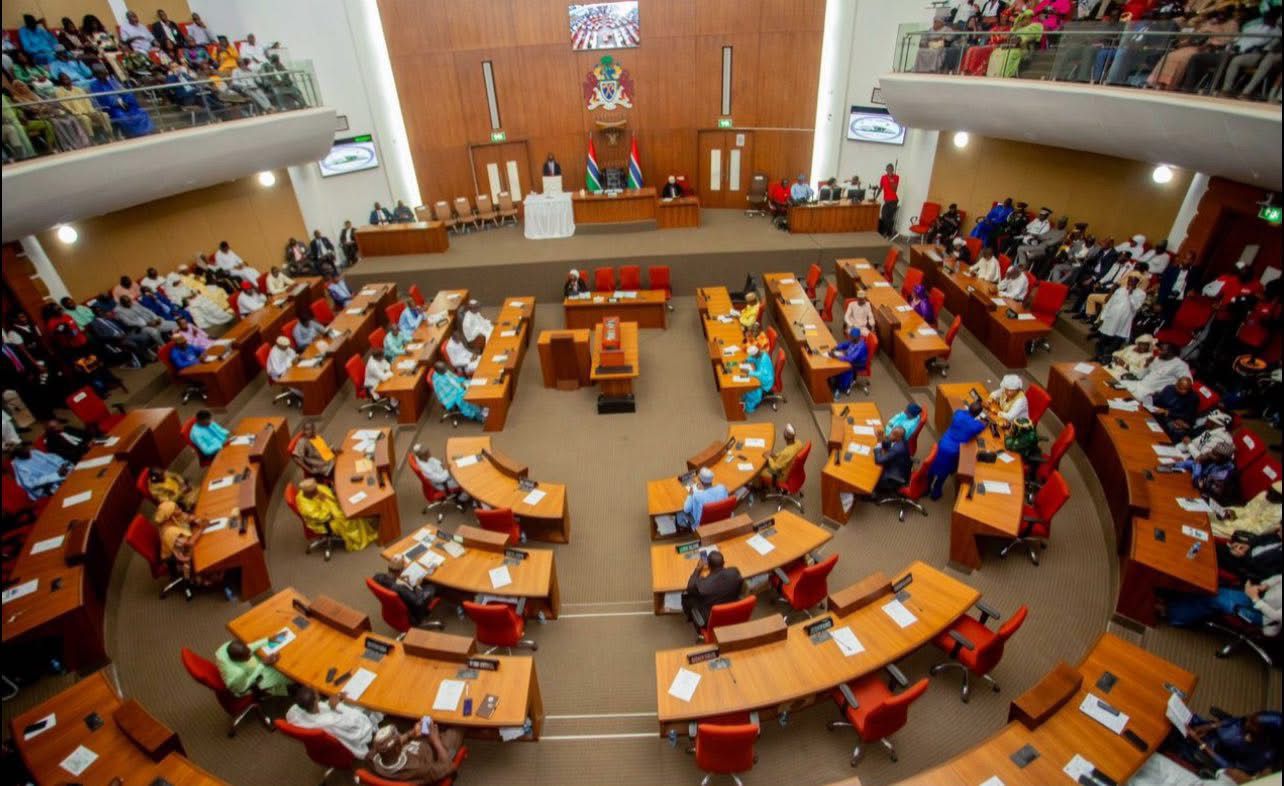
In a lengthy and often heated session on Tuesday, members of The Gambia’s National Assembly debated the findings of a Special Select Committee tasked with scrutinizing the sale and disposal of assets linked to former President Yahya Jammeh, following their identification and forfeiture by the Janneh Commission of Inquiry.
The committee, formed in May 2025 amid public outrage sparked by investigative reporting from The Republic, heard testimony from over 70 witnesses, including Janneh Commission executives and senior public officials. Its report, presented by Chairperson Abdoulie Ceesay, highlighted concerns over transparency, accountability, and the stewardship of public resources in managing the seized properties, vehicles, livestock, and other assets.
Chairperson Ceesay emphasized the inquiry’s broader significance during his presentation. “Honourable Speaker, I want to emphasise that this inquiry goes beyond the examination process and institutional decision; it speaks to a broader national commitment to transparency, accountability, and the responsible stewardship of public resources,” he stated.
The assets in question were forfeited to the state after the Janneh Commission—established post-Jammeh’s 2017 ouster—uncovered evidence of corruptly acquired wealth during his 22-year rule. However, allegations of mismanagement in their subsequent sale triggered youth-led protests and arrests, prompting the National Assembly to launch this independent probe.
The debate on the report proved contentious. Opposition National Assembly Members (NAMs) moved for an adjournment, arguing they needed more time to review the document thoroughly. After a vote, the majority opted to proceed, prompting an extended discussion that spanned the day.
Hon. Sainey Jawara expressed frustration over unresolved issues, particularly bank accounts allegedly linked to Jammeh that have remained active since 2017. “I think the committee could have told us now who is still doing transactions from 2017 to date, the list should be indicated, and how much is transferred, and if we can get those monies back to the government’s coffers,” Jawara said, pressing for greater clarity on potential ongoing financial flows.
In a sharp critique, Hon. Almameh Gibba of Foni Kansala dismissed the Janneh Commission itself as a failure. He accused it—and the Ministry of Justice—of bias, claiming personal grudges tainted the process. “When you put an angry man in a Commission who has a beef with the former President, it would happen this way… I am also saying today I don’t recognise the Janneh Commission; it is a ‘Terr Kafo’ (friendship) Commission,” Gibba remarked, using a Mandinka term implying favoritism or collusion.
Hon. Lamin Ceesay from Kiang West proposed a structured follow-up, suggesting the committee draft a formal resolution for the Assembly to adopt. “I would prefer that we refer this committee to go and draft a resolution, you bring it to us, we would adopt it with you,” he said.
Speaker Fabakary Tombong Jatta praised the committee’s efforts, framing the debate as a key exercise in parliamentary oversight. “This moment represents an important milestone in the exercise of the National Assembly’s constitutional mandate of oversight and accountability. The establishment of this Special Select Committee reflected the commitment of this Assembly to ensure matters of significant national interest—particularly those concerning the management and disposal of public assets—are subjected to thorough parliamentary scrutiny,” the Speaker declared.
The marathon session underscored deep divisions over transitional justice mechanisms in post-Jammeh Gambia. While some lawmakers defended the Janneh Commission’s legacy in reclaiming state resources, others questioned its impartiality and the effectiveness of asset recovery efforts.
The debate also reflected ongoing public interest in ensuring proceeds from Jammeh-linked assets benefit victims of his regime and the national treasury, rather than being lost to irregularities. As the Assembly continues deliberations—potentially leading to resolutions, referrals for investigations, or institutional reforms—the outcome could shape accountability standards ahead of key national events, including the 2026 elections.
This inquiry builds on earlier extensions granted to the committee, with hearings concluding late in 2025 after testimony from figures such as former Attorney General Abubacarr M. Tambadou and Central Bank officials. The report’s recommendations, if adopted, may prompt further probes into alleged lapses and push for stronger asset management frameworks.