By: Momodou Gagigo
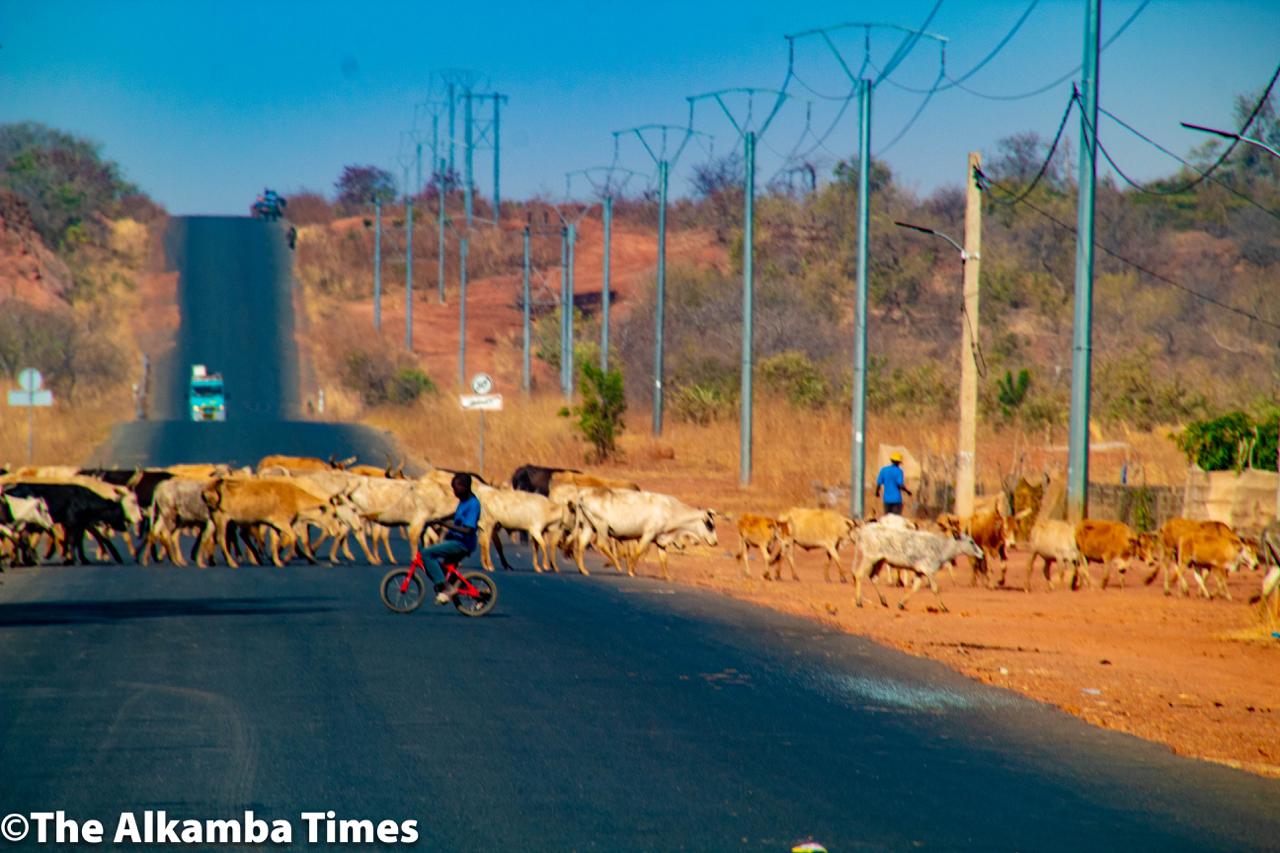
The Banjul-Basse highway, a critical lifeline for commerce, travel, and daily transportation across The Gambia, has increasingly become a dangerous stretch where free-roaming cattle pose a serious threat to motorists and livestock alike.
Roadside grazing, a long-standing tradition among rural farmers, is now sparking frequent accidents, vehicle damage, injuries, and sometimes fatalities. As vehicle numbers surge on the country’s main arterial roads, clashes between speeding drivers and wandering herds have become almost daily occurrences on both the south and north bank routes.
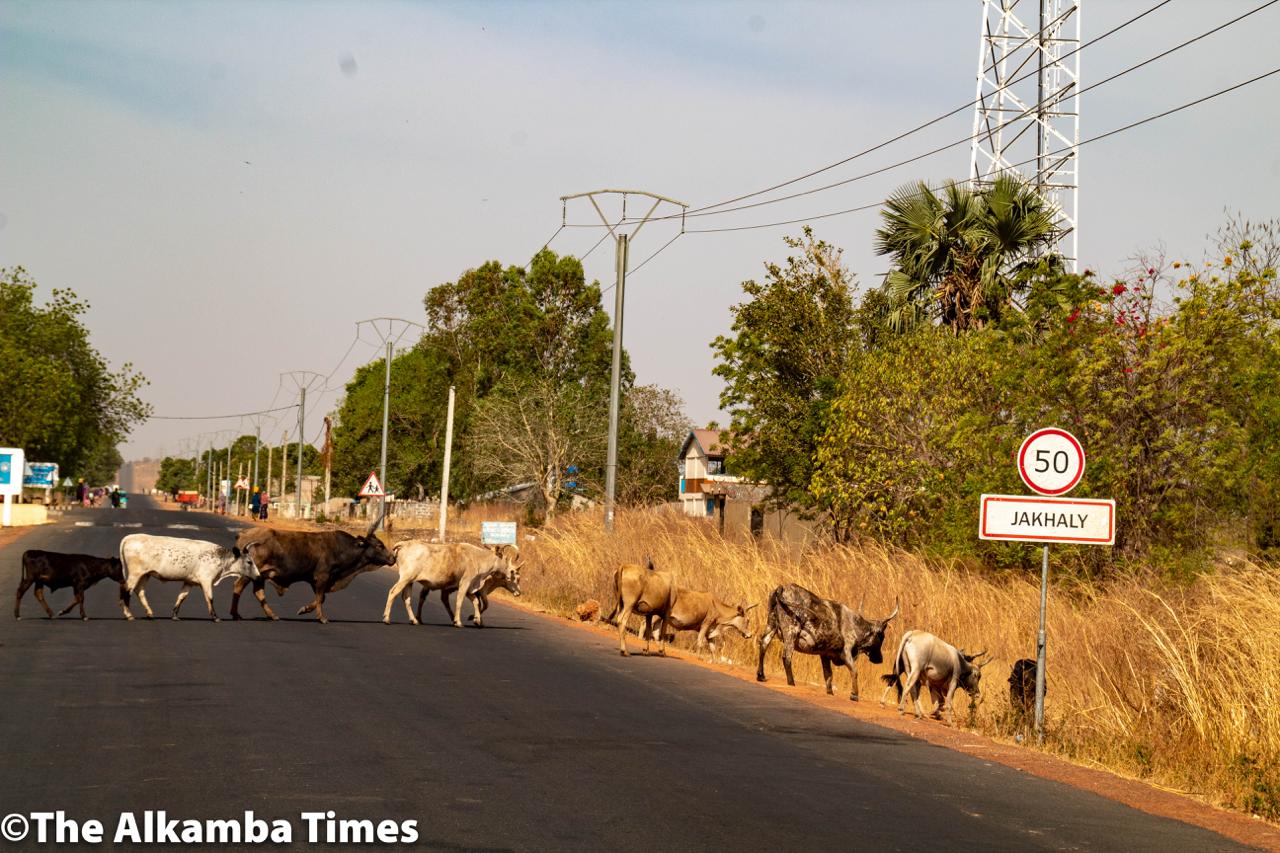
Farmers argue they have little choice. With limited grazing land and cultivated fields during the wet season, many herdsmen allow their cattle to feed on the lush grass that grows along road corridors.
“We let the cattle graze near the roadside because that’s where the grass grows,” said Biran Mbaye, a farmer from Kudang in the Central River Region (CRR). “We don’t have enough space anymore. Just recently, five cows were killed on the highway. Some drivers are reckless, and it’s heartbreaking losing a cow like that.”
For farmers like Mbaye, the loss of even a single cow represents a devastating financial blow and a direct threat to their livelihood. Grazing becomes particularly difficult in the rainy season when most fields are under cultivation, forcing animals closer to the busy tarmac.
Drivers, however, paint a picture of constant frustration and genuine danger. Abdoul Majid Jallow, a truck driver from Wellingara, described the terror of suddenly encountering cattle while traveling at high speed on the Trans-Gambia Highway.
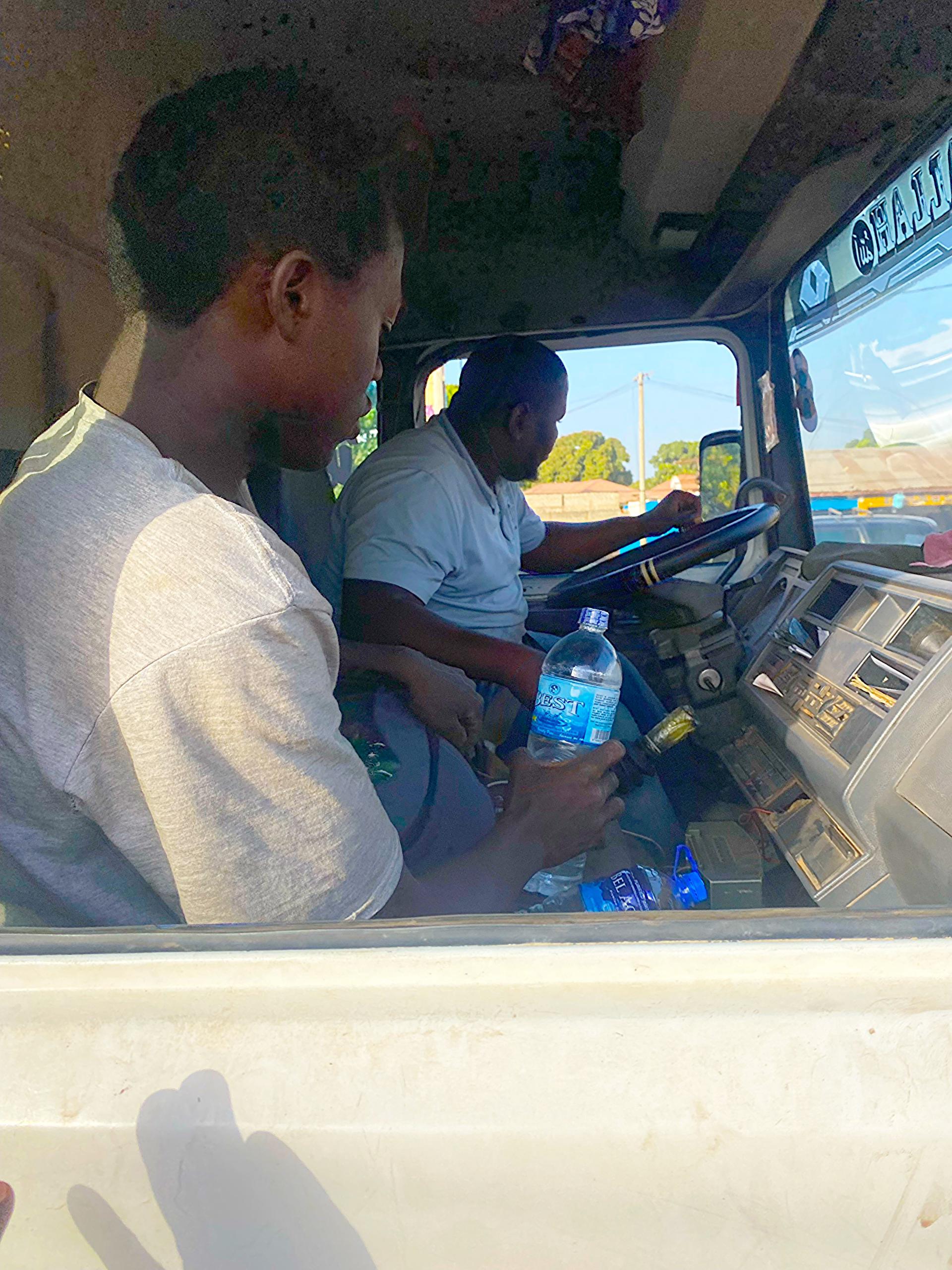
“Driving on the highway is quite frustrating because it’s risky to control the car when cattle suddenly emerge on the road when the vehicle is at a very high speed,” he said.
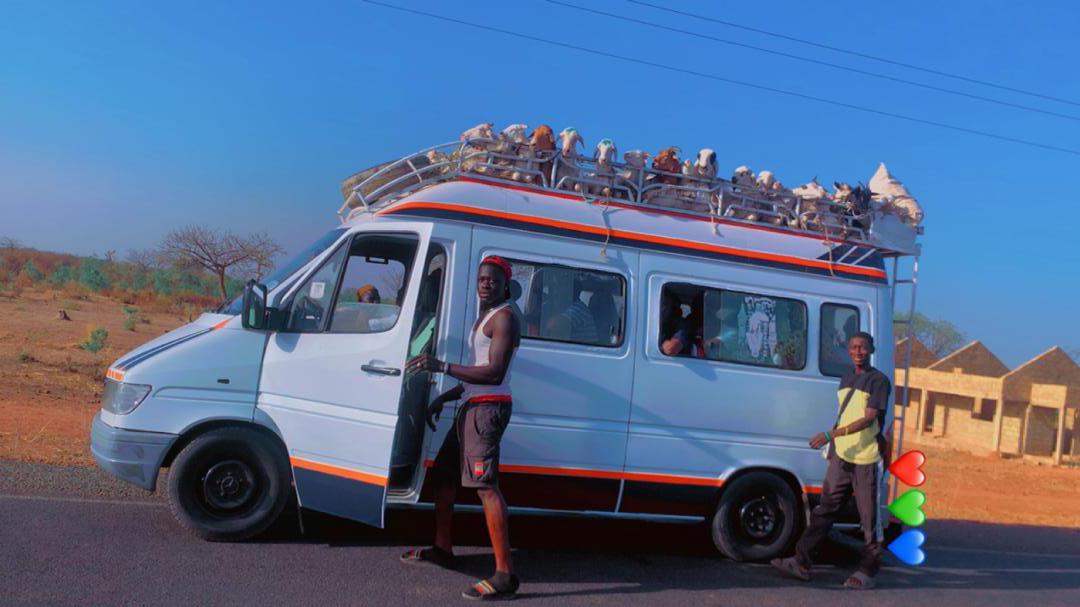
Sprinter vans, which provide fast and affordable transport for many passengers, are frequently criticized for speeding. Yet drivers of these vehicles insist that animal crossings and poor road safety infrastructure share much of the blame.
“Most of these accidents along this highway are caused by either animal crossing or improper road safety,” explained Abubacarr Jallow, a sprinter van driver. “We often speed at a certain level, but if an animal appears suddenly, we may not be able to control the car. We don’t want to collide with the animal because it damages our vehicles, so swerving off the road becomes the only option.”
Ebrima O. Jallow, President of the National Livestock Dealers Association, has voiced deep concern over the rising number of incidents. He noted that many crashes involving cattle are wrongly classified as “stray animal” accidents, when in reality they often occur at traditional drinking points or established cattle tracks.
“The problem is getting worse because important warning signs are missing,” he warned. “Most cattle crossing points no longer have proper signboards because the iron signs were removed by people and sold as scrap. This makes it difficult for drivers to anticipate where animals usually cross.”
Jallow also criticized speeding drivers who fail to slow down even when they see herds and herders beside the road. He cited a recent incident in Jarra, Lower River Region, where a speeding vehicle plowed into a migrating herd, killing many cattle.
Experts attribute the problem to a combination of traditional farming practices, inadequate fencing, and insufficient supervision of livestock, especially at night. They recommend practical solutions such as creating designated grazing zones away from major roads, installing highly visible reflective warning signs at known crossing points, and launching public awareness campaigns to educate both farmers and drivers.
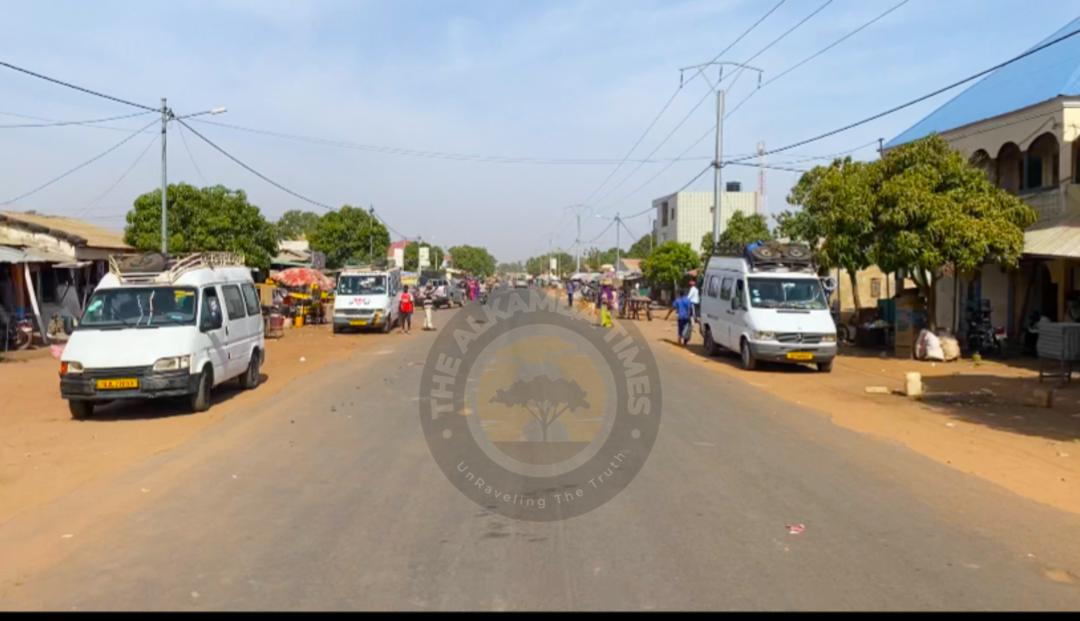
As The Gambia continues to expand and modernize its road network, finding a balance between age-old agricultural traditions and the demands of modern road safety has become urgent. Authorities are being urged to act swiftly by restoring and maintaining warning signs, enforcing speed limits in high-risk areas, and fostering cooperation between livestock owners and motorists.
Until concrete measures are taken, the Banjul-Basse highway will remain a perilous corridor where lives—both human and animal—continue to hang in the balance.