By Momodou Gagigo
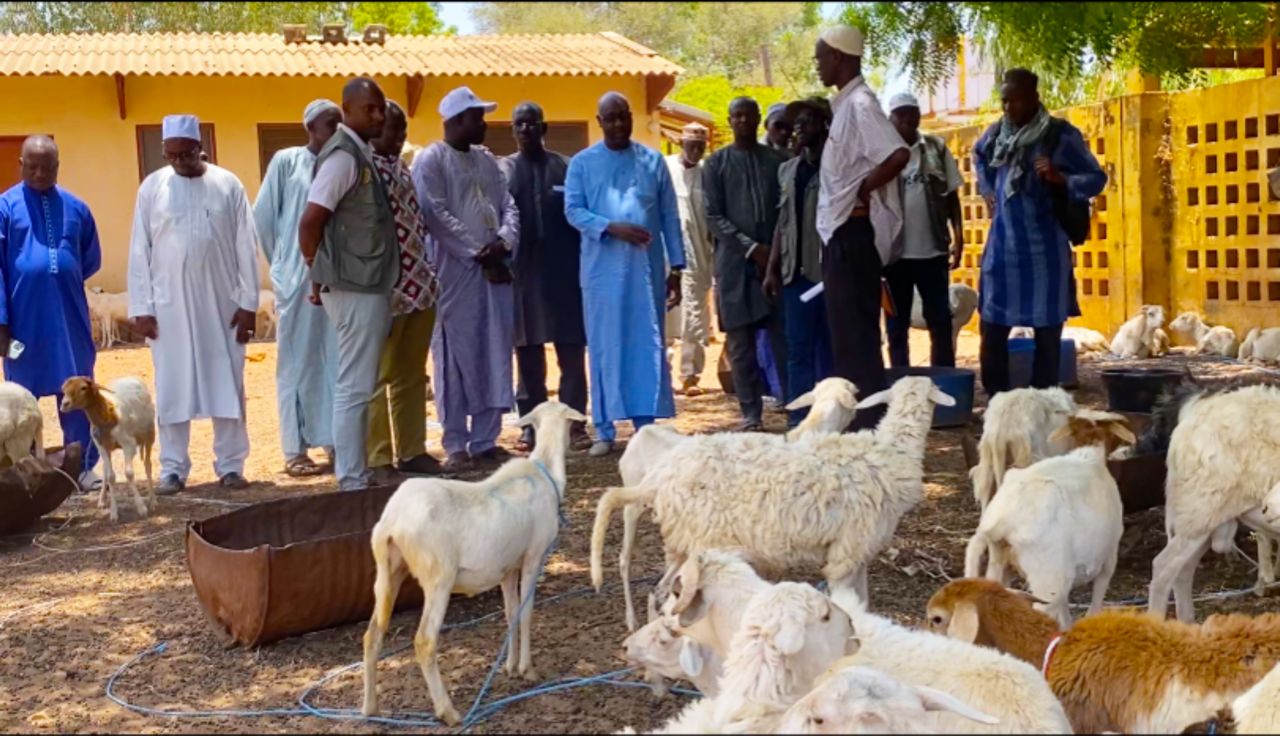
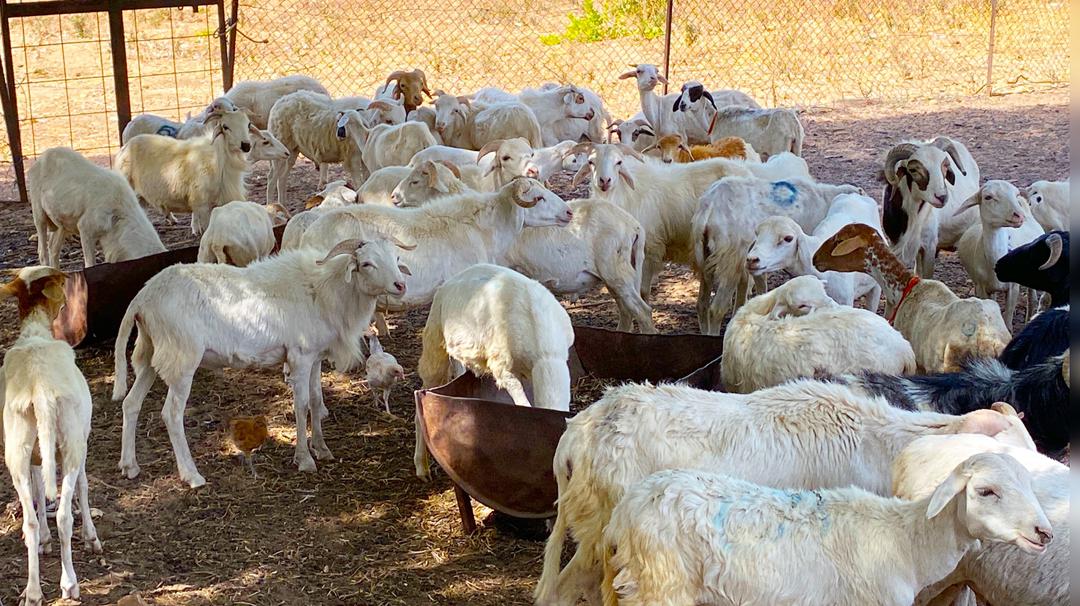
As the sacred Muslim feast of Tobaski approaches and prices of sheep and goats surge across The Gambia and the sub-region, smallholder farmers in the Central River Region (CRR) are receiving a timely lifeline. On Tuesday, partners under Project 2 of the Programme to Strengthen Food and Nutrition Insecurity in the Sahel (P2-P2RS) distributed small ruminants to vulnerable farming households at the WALIC Center in Sololo, Bansang.
The ceremony marked the second batch of livestock handed over under the initiative, which aims to ramp up local production of sheep and goats, improve their availability and affordability on the Gambian market, and reduce poverty among rural communities heavily dependent on agriculture.
Deputy Governor for the Central River Region, Sainey Mbaye, who graced the event, hailed the intervention as a significant milestone in the country’s drive toward food security and improved rural livelihoods.
“This initiative has the potential to significantly reduce poverty and enhance livestock production across the country,” Mbaye said, visibly pleased with the development.
Project Director Ansumana Njie revealed that the programme has already distributed 100 goats in previous phases, with Tuesday’s handover representing continued momentum. “We have already distributed 100 goats, and today marks another important step as we continue delivering small ruminants to farmers,” Njie explained.
He stressed that the project goes beyond mere animal distribution. “This initiative is not only about livestock; it is about improving nutrition, increasing income, and strengthening the resilience of farming communities,” Njie added, acknowledging logistical challenges but describing the effort as a worthwhile investment in long-term resilience.
The P2-P2RS project specifically targets smallholder farmers, including widows and other vulnerable groups, in a revolving and regenerative scheme. Each beneficiary is expected to pass on offspring to fellow farmers once the animals reproduce, creating a multiplier effect that broadens the programme’s reach and promotes sustainability.
Momar Alieu Njie, project coordinator at the Central Projects Coordination Unit (CPCU), called for nationwide scaling of such interventions. “To make a real difference, we must replicate and scale up initiatives like this across the country,” he said. He noted that boosting local production would help meet national demand, particularly during festive periods when prices traditionally spike.
Director General of the Department of Livestock Services, Dr. Abdou Ceesay, welcomed the support while pointing to persistent challenges in the sector, including low productivity in certain livestock categories. He revealed that strategies such as genetic enhancement of local breeds are under consideration to increase efficiency and output.
Beneficiaries expressed deep gratitude and commitment to the programme’s goals. Penda Baldeh, one of the recipients, said: “We are really thankful, this will go a long way in supporting our families. We will try by all means to take care of these animals and ensure their welfare.”
Ebrima O. Jallow, President of the National Livestock Owners Association (NaLOA), described the project as “impactful and transformative.” He urged beneficiaries to prioritize animal welfare for sustainability. “This project will go a long way in combating poverty and food crises in the region,” Jallow noted.
Agriculture Minister Demba Sabally framed the distribution as part of a broader national strategy to strengthen rural economies. He confirmed that 100 goats – 75 females and 25 males – were allocated to the Department of Livestock Services in Sololo, adding that earlier phases have already shown positive results.
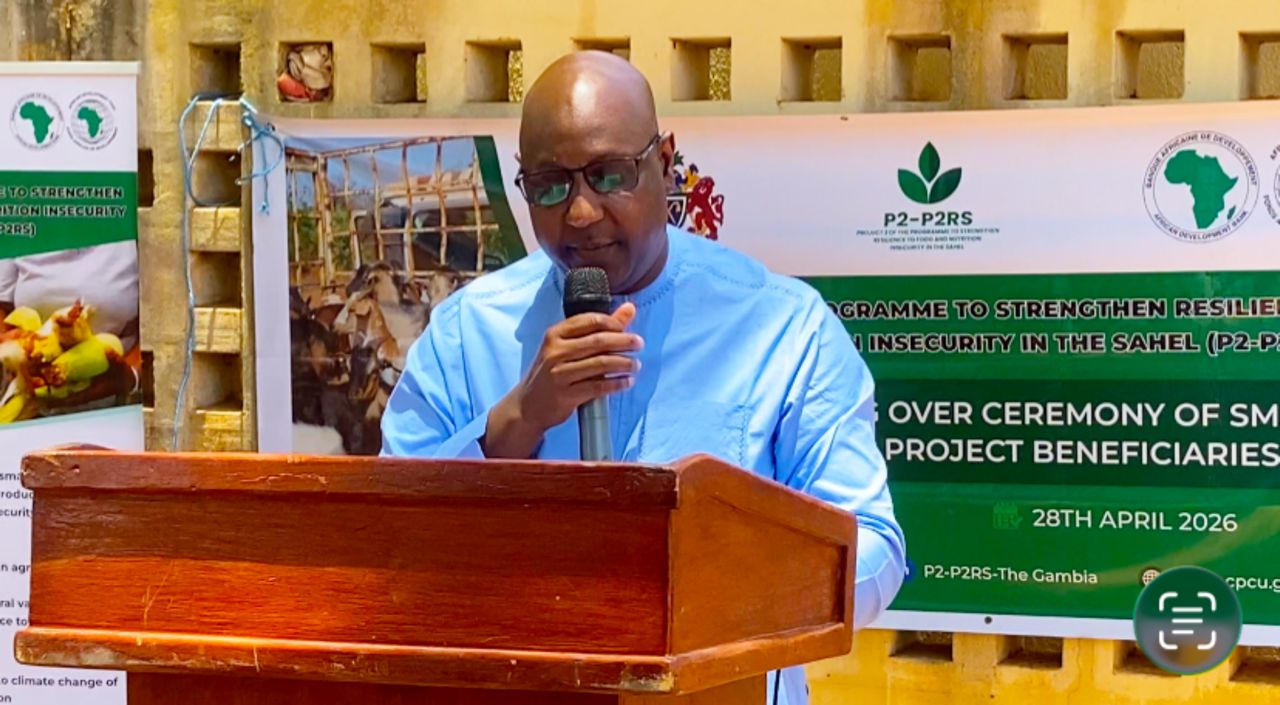
“This revolving and regenerative scheme is designed not only to reduce poverty but also to build long-term resilience and ensure sustainable income for farming households,” Sabally stated.
The Minister emphasized that beneficiary selection was conducted transparently in collaboration with partners and regional authorities. “This process ensures that the most vulnerable farmers are prioritized, promoting fairness, equity, and social inclusion,” he said.
As Tobaski draws near, the initiative underscores The Gambia’s determination to reduce dependence on imports and build domestic capacity in livestock production. Officials believe that consistent scaling of such programs, combined with improved breeding practices and farmer training, will be crucial to achieving food self-sufficiency and insulating rural communities against economic shocks.