By Alieu Ceesay
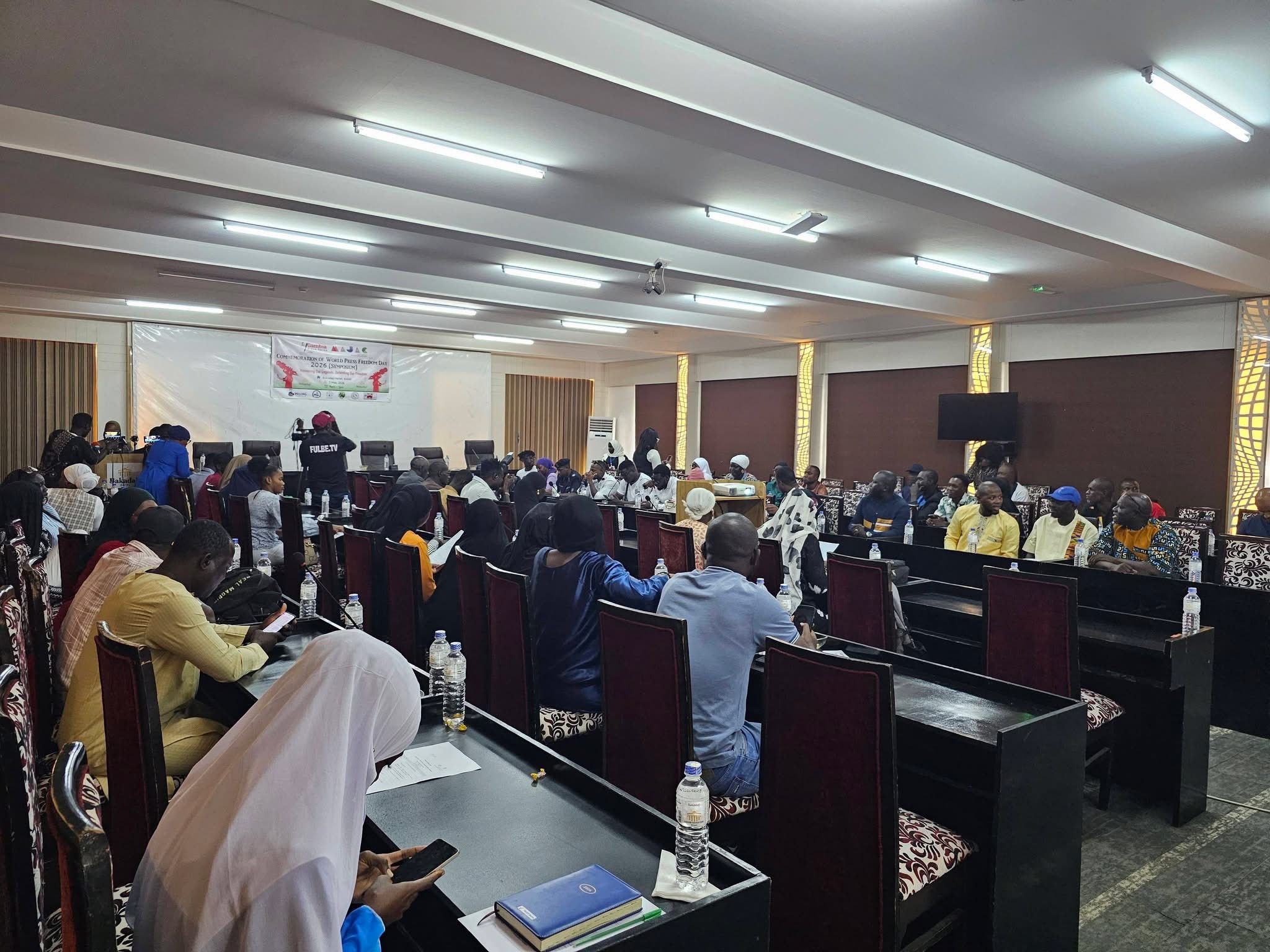
Gambian media practitioners gathered today to commemorate World Press Freedom Day, blending celebration with a firm call on the government to safeguard journalists and abandon plans for state-controlled regulation.
Observed annually on May 3, World Press Freedom Day honors the vital role of independent media while reflecting on challenges faced by journalists worldwide. In The Gambia, the commemoration carried a poignant local theme: “Honoring Our Legends, Defending Our Freedom.” The theme served as a tribute to fallen journalists who paid the ultimate price in pursuit of truth, notably Deyda Hydara and Chief Ebrima Manneh, while highlighting the persistent threats that persist even after the end of former President Yahya Jammeh’s dictatorial regime.
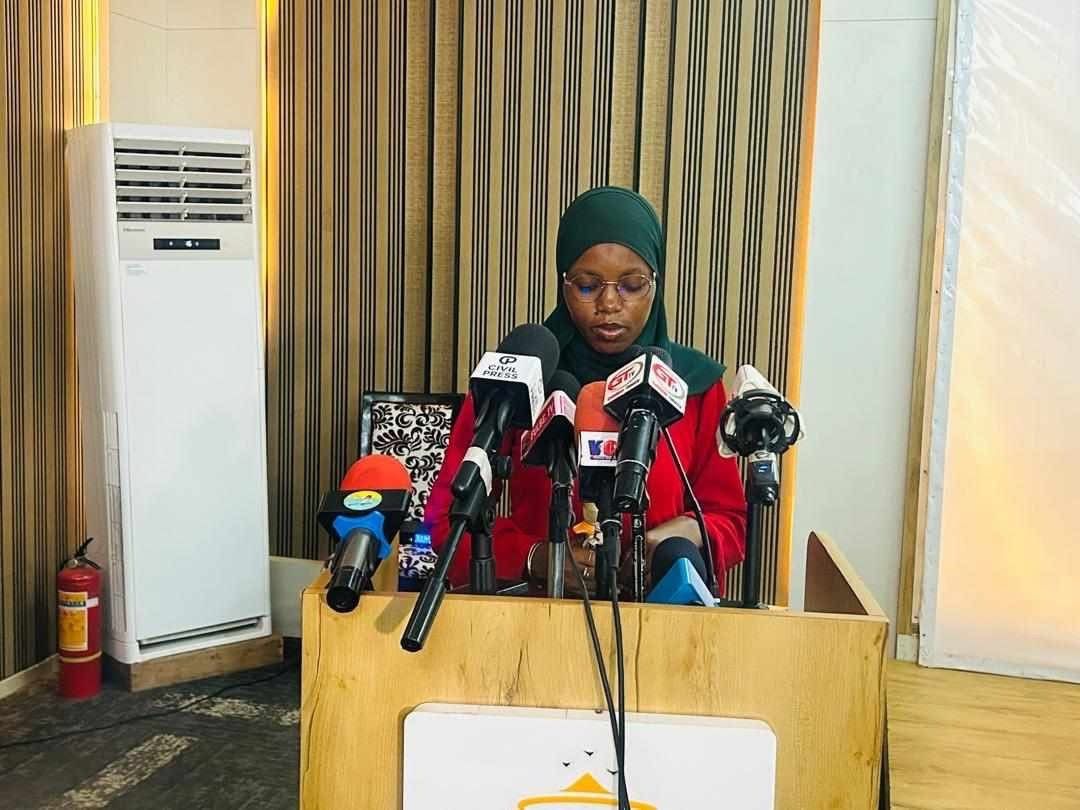
Isatou Keita, President of the Gambia Press Union (GPU), led the event by calling for a minute of silence to remember colleagues who lost their lives in the line of duty. In a powerful address, she urged the government to repeal draconian laws restricting press freedom and to drop proposals granting the state-controlled Public Utilities Regulatory Authority (PURA) powers to register and license journalists and influential social media users.
“The GPU would like to reiterate that it calls on the government to abandon its plan to impose the state system of registration and licensing of journalists and support media self-regulation by strengthening the Media Council of The Gambia,” Keita stated. “We also call on the government to honor its obligations in fulfilling media law reforms and implement the UN Plan of Action on the Safety of Journalists and the Issue of Impunity as per the recommendations of the Truth Commission, which the government has accepted.”
She emphasized the media’s role in democracy, adding: “Today, we also honor the courage, sacrifice, and resilience of journalists who have dedicated their lives to truth, accountability, and public service, and the indispensable role of the media in democratic societies.”
Journalists continue to face significant risks. Senior Correspondent Kebba Ansu Manneh of The Alkamba Times is facing legal charges involving a state minister, while Justice Momodou Darboe is facing court action by the Police Force. Others, including TAT Correspondent Alieu Ceesay and Matar Jarsey of Fatu Network, have endured physical assaults by state security forces. Such incidents, GPU leaders argue, create a climate of fear that undermines media freedom guaranteed under international instruments like Article 19 of the Universal Declaration of Human Rights and the African Charter on Human and Peoples’ Rights, to which The Gambia is a signatory.
Despite these challenges, the country has witnessed remarkable growth in the media. New radio stations, television platforms, newspapers, online outlets, podcasts, and digital creators have proliferated, empowering young Gambians to inform, educate, and inspire communities.
James Badjie, Director of Training at the Media Academy for Journalism and Communication (MAJaC), welcomed this expansion. “Instead of attempting to curtail the gains made in press freedom, government and stakeholders should focus on strengthening and protecting these achievements,” he said. “A press should never be viewed as an enemy of the state. Rather, it should be recognized as a partner in national development. Strong journalism helps expose corruption, promotes transparency, encourages informed public debate, and strengthens democracy.”
Restricting media freedom or fostering fear, Badjie warned, would reverse the democratic progress achieved since the transition from authoritarian rule.
The global theme for this year’s commemoration, “Shaping a Future of Peace: Promoting Press Freedom for Human Rights, Development and Security,” resonated with local calls for protection and self-regulation. In The Gambia, practitioners spoke with one voice: “No to state regulation.”
As the nation reflects on the media’s contributions to accountability and public discourse, stakeholders hope today’s event will prompt concrete government action to protect journalists and uphold press freedom as a cornerstone of democracy.