By: Kebba Ansu Manneh
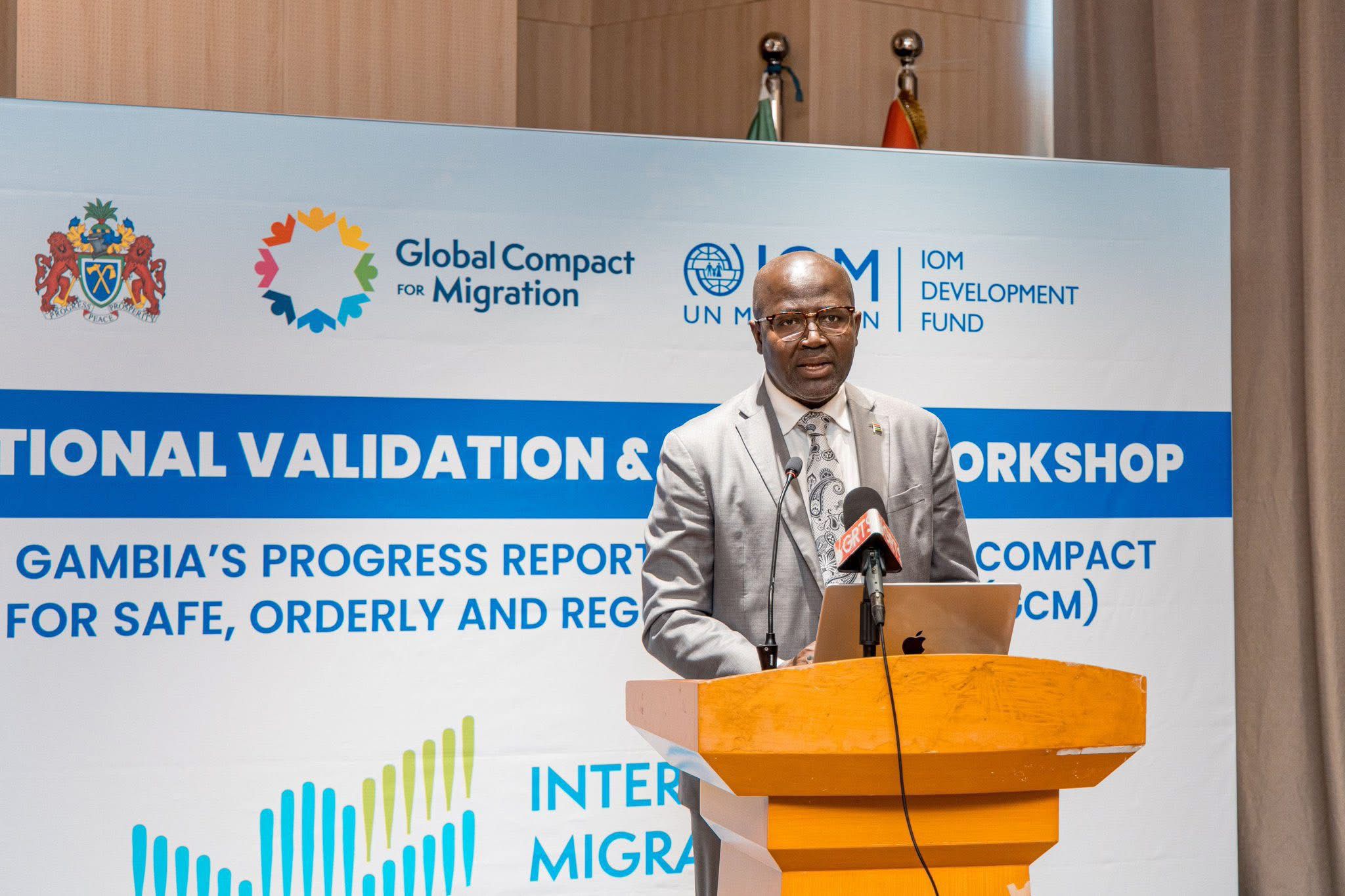
Ambassador Lang Yarbo, Permanent Secretary at the Ministry of Foreign Affairs, International Cooperation and Gambians Abroad, has urged stakeholders to thoroughly examine Gambia’s second national report on the implementation of the Global Compact for Safe, Orderly and Regular Migration (GCM) before its validation.
Speaking at a validation workshop held on Wednesday, April 29, 2026, at the Sir Dawda Kairaba Jawara International Conference Center, Ambassador Yarbo described the exercise as far more than a procedural step. He said it forms the foundation for The Gambia’s engagement at the upcoming International Migration Review Forum.
“This validation is not a mere formality but an act of accountability and a celebration of the journey we have undertaken together,” Ambassador Yarbo said in his opening remarks.
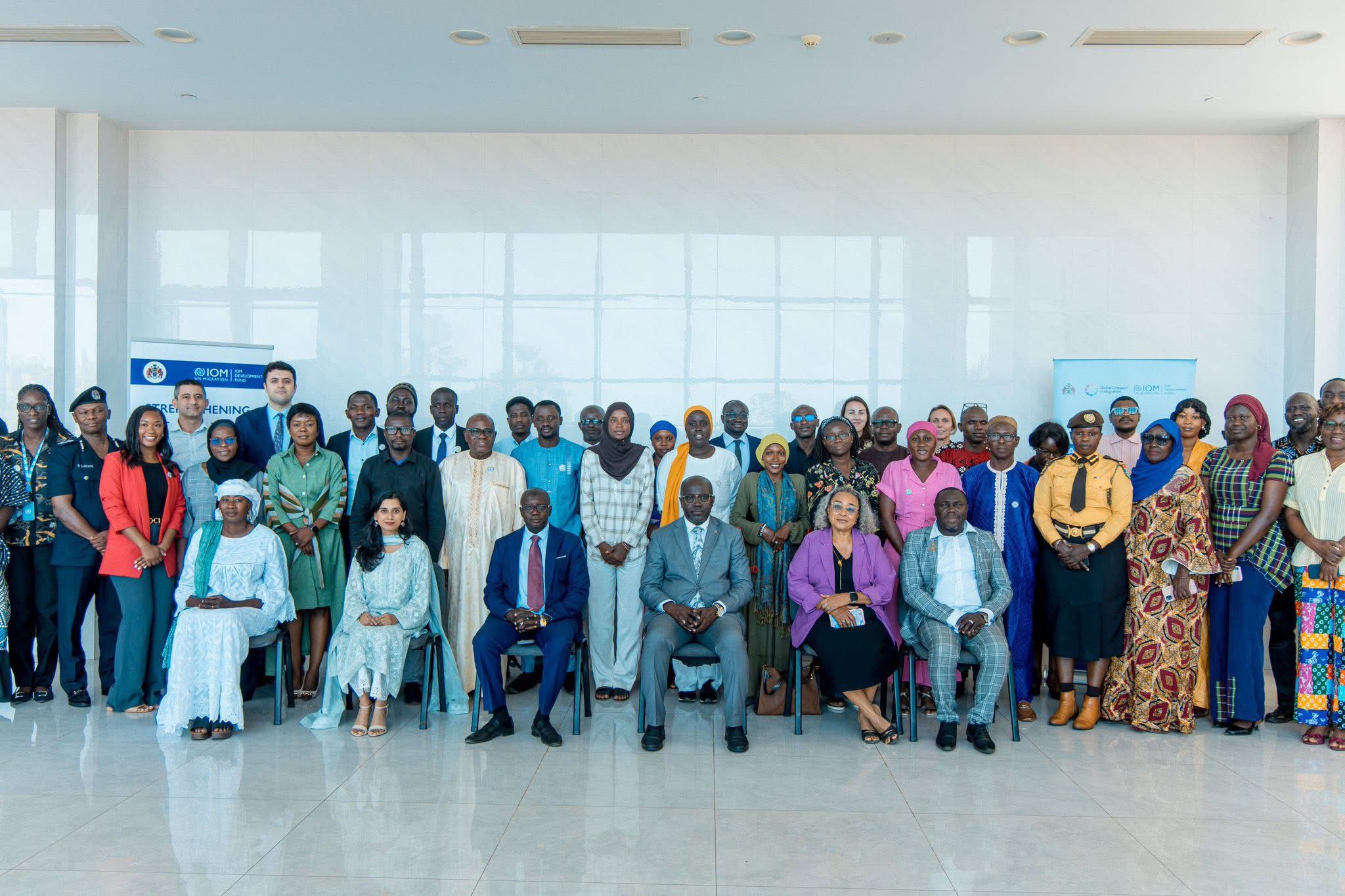
He noted that Gambia’s first report was a pledge that established the country as a GCM Champion. In contrast, the second report reflects four years of hard work, collective dedication, and continuous learning.
The Ambassador highlighted the inclusive process behind the report, crediting close collaboration with the International Organization for Migration (IOM) and extensive consultations with eight specialized working groups under the National Coordination Mechanism (NCM). He said inputs were gathered from government colleagues in the migration, labor, and justice sectors, as well as from civil society and development partners.
“This truly reflects our firm commitment to a whole-of-government and whole-of-society approach,” he added. “The report paints a portrait of a nation that is at once a country of origin, transit, and destination.”
Ambassador Yarbo acknowledged successes in embedding migration into national development plans, strengthening border governance, expanding legal pathways, and protecting labor rights. He also pointed to ongoing challenges, including irregular migration, and the need for stronger international cooperation on returns and reintegration.
“None of this work would have been possible without the steadfast partnership of the International Organization for Migration,” he said, thanking IOM for its technical expertise and financial support.
As a GCM Champion country, The Gambia has a responsibility to demonstrate leadership and share its experiences globally, the Ambassador stressed. “We are not just finalizing a report — we are forging our national story and equipping our negotiators with the data and narrative they need.”
He called on stakeholders to approach the validation with purpose and pride, urging them to produce a document that reflects the best of the nation. “The eyes of the nation and the international community are upon us. Let us give them a story of leadership and a story of hope,” he said. “Better management of migration is in everybody’s interest.”
Ambassador Yarbo further emphasized the need to address the root causes of irregular migration, particularly issues affecting young people, and called for continued stakeholder engagement.
Sibgha Ajaz, Officer in Charge of IOM The Gambia, commended the strong collaboration among government, local authorities, civil society, private sector, and international partners. She reaffirmed IOM’s commitment to supporting the government in strengthening migration governance, building inclusive systems, and aligning efforts with national priorities in the recovery-focused national development plan, the 2030 Agenda, and the Global Compact on Migration.
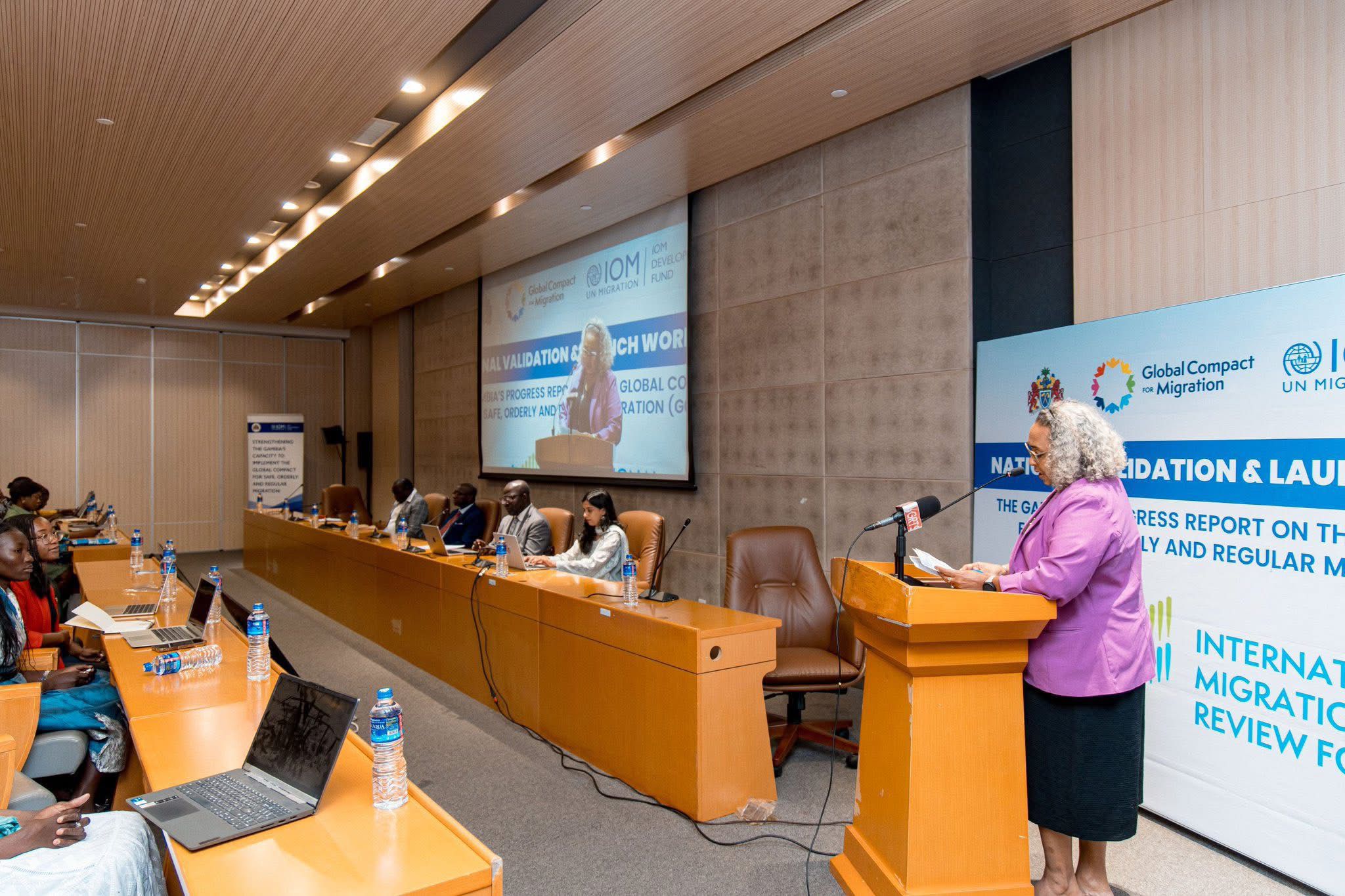
“I am immensely grateful to some of the returning migrants and survivors of trafficking who are here with us today, showcasing their entrepreneurial adventures,” Madam Ajaz said. “As we mark the spirit of International Migrants Day, let us reaffirm our shared responsibility to make migration safe, orderly, and a story of resilience.”
Other speakers, including Mrs. Yadicon Njie Eribo, Chairperson of the National Migration Coordination Body (TANGO), reaffirmed their commitment to a thorough review of the document and called for continued advocacy for safe, orderly, and regular migration.