By: Alieu Ceesay
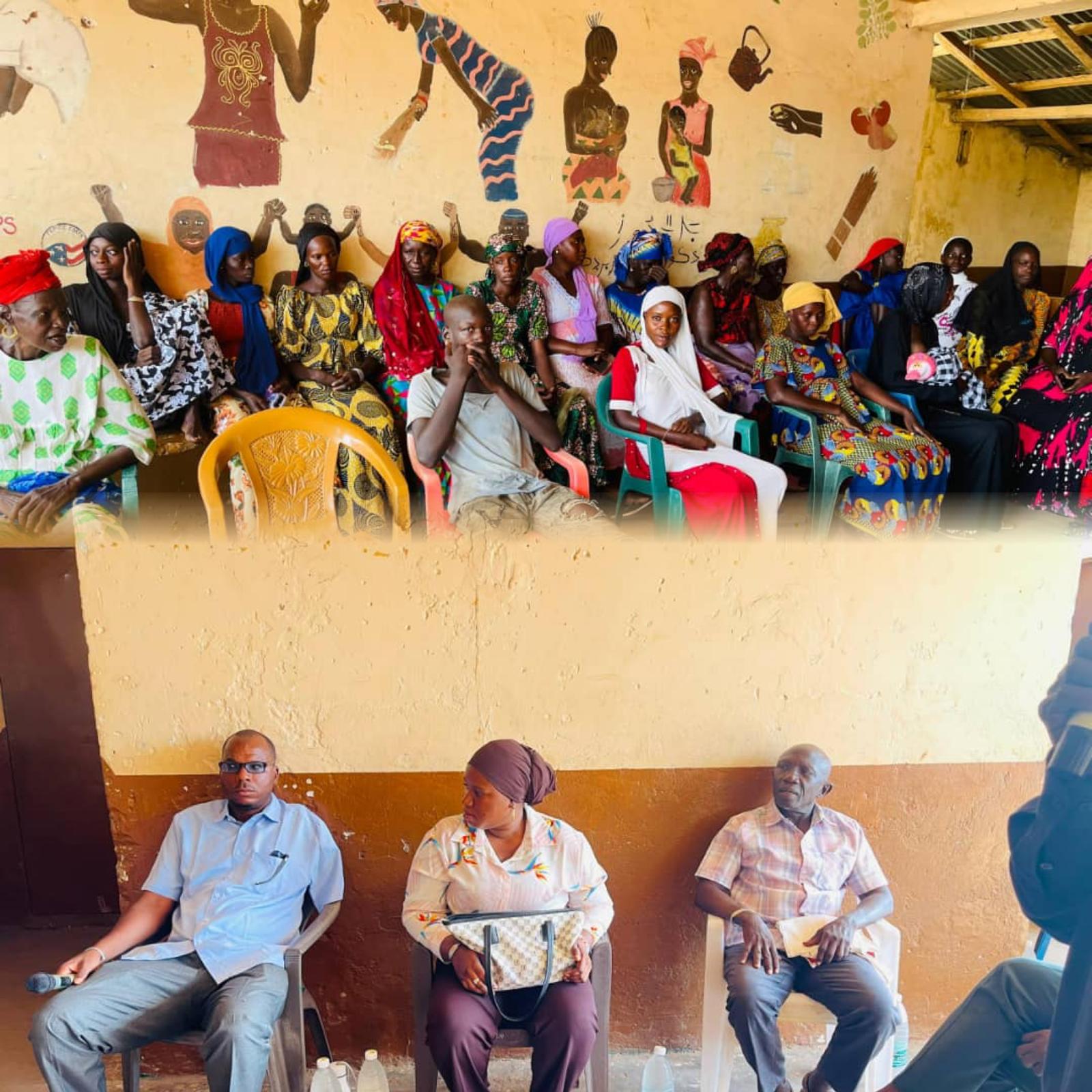
In a vibrant display of community engagement, Action Aid International, The Gambia, hosted an awareness forum on the rights of Persons with Disabilities (PWD) in the small Wolof settlement of Batty Njol, Niamina East. Held at the village’s modest health post, the event drew a large crowd, predominantly women, who actively participated in discussions on the Gambia Disability Act 2021 and the UN Convention on the Rights of Persons with Disabilities (UNCRPD).
The gathering aimed to foster advocacy, combat discrimination, and promote inclusion for PWD in rural Gambian communities. Participants condemned all forms of stigma against individuals with disabilities and urged greater support from authorities and society. “This is about breaking barriers and ensuring fundamental rights,” emphasized Mr. Abdoulie A.O. Bah, a representative from the Gambia Association of Physically Disabled.
Bah described the forum as “long overdue,” highlighting its role in addressing environmental, educational, and informational obstacles faced by PWD. He stressed that education extends beyond mere classroom presence to include essential facilities for those with hearing impairments, visual challenges, or physical disabilities. “These are key elements outlined in the Gambia Disability Act 2021. Grassroots communities must know and practice them to achieve true inclusion,” Bah said in a sideline interview.
In The Gambia, specialized facilities are concentrated mainly in the Greater Banjul Area, leaving remote regions like the Central River Region (CRR) underserved. Bah praised the government’s initiative to build a rehabilitation center in Bansang, which he believes will benefit residents of the CRR and the Upper River Region. However, he called for further decentralization of services. “Incorporate sign language and disability care into school modules at places like Gambia College. Every trained teacher should know how to handle PWD. The same applies to the health sector,” he urged.
Bah also appealed to local government authorities to allocate budgets for disability-inclusive programs, emphasizing in-service teacher training and pedagogy enhancements.
Dodou Loum, Executive Director of the Gambia Organization for the Deaf and Hard of Hearing, addressed the stigmatization faced by those with hearing impairments. “This requires collective responsibility—from the state, Village Development Committees, and parents—to tackle societal challenges,” Loum stated. As a UNCRPD signatory, The Gambia is obligated to safeguard and protect PWD in all aspects of life.
Personal stories underscored the forum’s impact. Maram Secka, a participant with mobility difficulties, shared her struggles: “Walking from home to my farm is tough due to my legs. I appeal for assistance to farm regularly and sustain my petty trade.” Her determination to effect change despite obstacles inspired attendees.
Maimuna K. Jallow, a special needs teacher from the Ministry of Basic and Secondary Education (MoBSE), reinforced calls for parental and public involvement. “Include PWD in all societal affairs,” she implored.
The event equipped villagers with vital knowledge on disability care, boosted morale, and empowered the community to advocate for PWD in policy and decision-making. By prioritizing grassroots education, ActionAid’s initiative marks a step toward a more inclusive Gambia and aligns national laws with international standards.