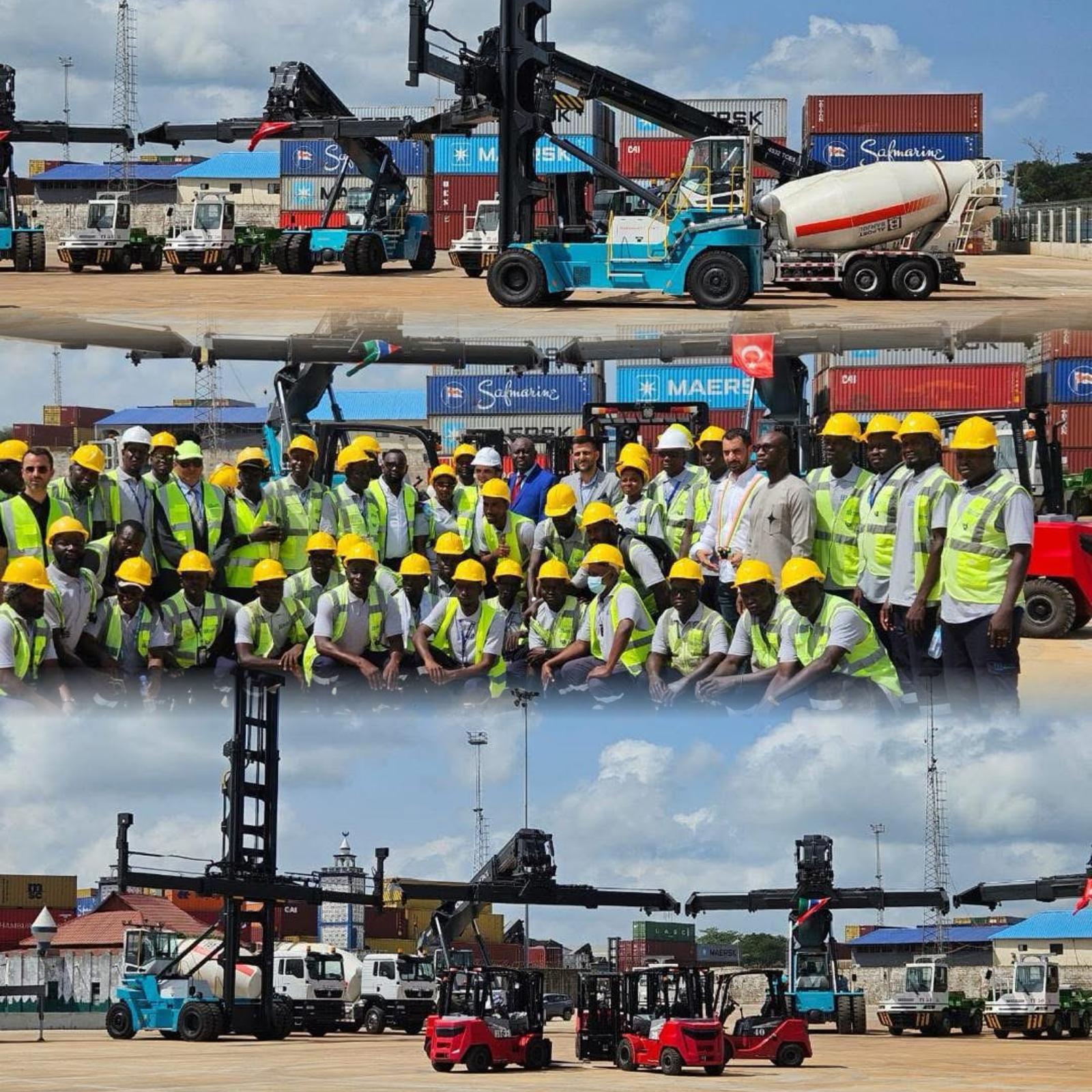
Tensions at the Port of Banjul have intensified as the Alport Staff Association issued a formal ultimatum to management, demanding immediate resolution to longstanding grievances over unpaid overtime, persistent salary delays, and alleged unfair labor practices.
In a strongly worded letter circulated on March 3, 2026, and seen by TAT association President Ms. Adama Jatta, it was declared that staff would strictly limit work to standard regulated hours—eight hours per day, including Saturdays—until all outstanding overtime is paid and salary payments are regularized.
The letter, addressed to the Managing Director and copied to key port officials, including the Managing Director of the Gambia Ports Authority (GPA), accuses management of failing to respond to prior communications and engaging in coercive tactics, such as pressuring employees to transfer salary accounts from Zenith Bank or other institutions of their choice. “Any attempt at coercion may constitute unfair labour practice under the Labour Act, 2023,” the document warns, emphasizing that banking arrangements are personal and voluntary. It labels such actions as potential victimization and unfair practices.
“For the avoidance of doubt, this measure is not a strike but a lawful withdrawal of discretionary overtime and a strict adherence to regulated working hours under the Service Rules,” Jatta stated in the letter. Staff is instructed to cease operations beyond normal hours without due overtime compensation, while continuing to perform duties professionally within contracted limits.
The association demands full payment of outstanding overtime, withdrawal of any “discretionary salaries” pending an acceptable explanation, and a written response within 24 hours.
This latest escalation builds on months of simmering discontent at Alport Banjul Limited, the Turkish-Gambian joint venture under the Albayrak Group that assumed operations of the Banjul Port through a 30-year Public-Private Partnership (PPP) concession signed in July 2024 and effective from February 2025.
The deal promised modernization—including new equipment like high-capacity grabs, forklifts, and dust-control systems—to boost efficiency at The Gambia’s primary maritime gateway, which handles over 90% of national trade.
However, workers have repeatedly alleged mistreatment since the transition. As early as August 2025, dockworkers protested unilateral deductions from container-handling payments. By November 2025, staff announced major demonstrations over salary delays (often breaching rules for payment by the 25th of each month), extended shifts from 8 a.m. to 8 p.m. without overtime pay, suspension of loan facilities, and perceived discriminatory treatment favoring Turkish personnel over Gambians. One anonymous dockworker described feeling like “second-class workers,” with management showing disregard for time and welfare.
Those planned protests were called off after the government intervened through the Department of Labour, which facilitated mediation among the Staff Association, Alport executives, GPA leadership, and the Ministry of Works, Transport, and Infrastructure. Despite assurances of dialogue, underlying issues appear unresolved, resurfacing dramatically in early 2026.
TAT investigations highlight fresh salary payment failures for February, with some senior staff allegedly receiving as little as 3,000 dalasis.
In an internal memorandum dated March 3, 2026, Alport Banjul Managing Director Salin Devent Kacar attributed recent delays to “technical and operational processes within the banking system,” insisting that the company had transferred funds on time and in full. He confirmed that payments had been credited following discussions with the bank and urged affected staff to contact Human Resources.
The Staff Association, however, expressed “deep concern” over management’s refusal to pay overtime allowances and repeated delays, despite multiple written appeals.
“This lack of engagement has created frustration and financial hardship among employees,” a accompanying statement noted. Workers reaffirmed commitment to duties but demanded “fair treatment, timely payment for services rendered, and respect for established labor practices” to rebuild trust.
Ms. Adama Jatta, a seasoned maritime professional with an MSc in Maritime Affairs and experience at the Gambia Ports Authority (now Delivery & Documentation Manager), was sworn in as association president in January 2026. Her leadership has positioned the union as a vocal advocate for staff rights amid the PPP transition.
Labor experts cite the Labour Act, 2023, as a safeguard against non-payment of entitlements and coercive practices. The dispute highlights challenges in foreign-managed concessions, where investment goals sometimes clash with local workforce expectations.
As the 24-hour deadline passed on March 4, 2026, no immediate public response from management was reported. Stakeholders, including the GPA and government, face mounting pressure to mediate and avert disruptions at the vital port. Failure to resolve could impact trade efficiency and national economic stability.
Sources close to the association described the action as a measured step to enforce contractual rights. At the same time, port observers warn that prolonged unrest risks undermining the modernization gains promised under the Albayrak partnership.