By Fatou Dahaba
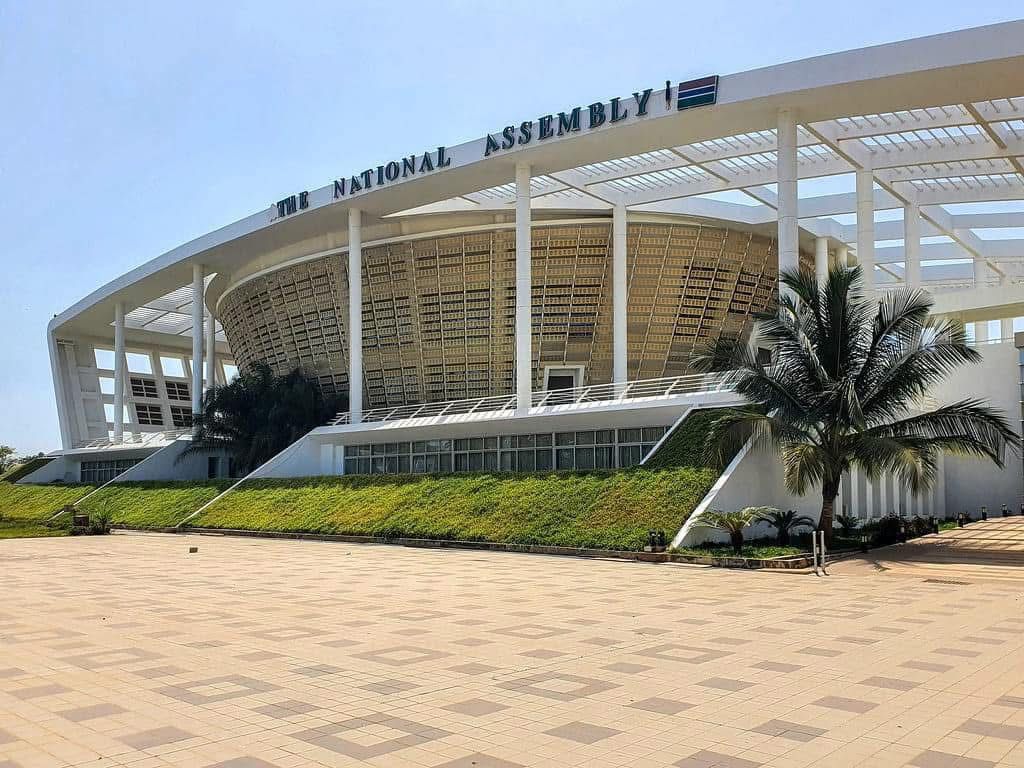
The National Assembly on Thursday unanimously adopted a damning report by the Select Committee on Gender, Children, and Social Welfare that exposed critical shortages in neonatal care and widespread neglect in children’s shelters and rehabilitation centres across The Gambia.
The committee’s strongest warning targeted the Neonatal Unit at Edward Francis Small Teaching Hospital (EFSTH), where multiple newborns are forced to share incubators and radiant warmers during peak periods due to acute equipment shortages. Lawmakers described the practice as a direct threat to infant survival. They ordered the Ministry of Health and Social Welfare to “urgently” procure additional incubators and radiant warmers to ensure every baby receives safe, individualized thermal care.
The report, presented after a nationwide tour of orphanages, rehabilitation centres, shelters, and juvenile facilities, also demanded extra beds for mothers and babies at shelters to end dangerous bed-sharing and improve comfort and hygiene.
Committee members visited 11 institutions, including SOS Children’s Villages in Bakoteh and Basse, Tanka Tanka Psychiatric Hospital, Nyancho and Sinchu Orphanages, Albreda Orphanage, the National Rehabilitation Centre, St John’s School for the Deaf and its Basse annex, and the Juvenile Wing. They documented chronic shortages of wheelchairs, essential drugs, teaching aids, and medical equipment, alongside broken toilets, missing restroom door locks, interrupted water supplies, and inadequate security that has led to resident escapes.
Lawmakers called for immediate hiring of more caregivers, especially in nursery and neonatal units, and specialised training for staff handling complex medical cases. They further recommended dedicated vehicles for employees with disabilities, emergency ambulances, improved road access, and reliable school transport.
In education, the committee demanded tailored curricula and assessment methods for students with disabilities, resumption of regular physiotherapy, and community awareness campaigns to fight stigma.
The report urged stronger collaboration among the Ministries of Health, Gender, Children, and Social Welfare to ensure consistent drug supplies and medical access, while stressing the need for transparent funding and greater government investment.
“The health, dignity, and future of our most vulnerable children hang in the balance,” the committee warned, adding that persistent underfunding and poor infrastructure continue to undermine service delivery nationwide.
Health and Gender Ministries are now under pressure to act swiftly on the adopted recommendations, with lawmakers vowing continued oversight to protect Gambian children with disabilities and those in institutional care.