By: Fatou Dahaba
The National Assembly of The Gambia has called for an immediate investigation into the management of assets seized from former President Yahya Jammeh, urging the government to terminate the receivership contract with Alpha Kapital Advisory and halt all related sales amid revelations of significant financial discrepancies and procedural breaches.
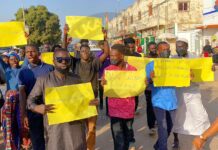
In a scathing report tabled recently by its Special Select Committee, which has probed the disposal of Jammeh-linked assets—identified originally by the Janneh Commission—the Assembly highlighted widespread concerns over transparency, accountability, and compliance in the handling of funds from 2019 to 2025. The committee, chaired amid public outcry following investigative exposés and protests, recommended a joint, in-depth probe by the Accountant General, the Auditor General, and the Financial Intelligence Unit into the accounts managed by Alpha Kapital, led by Alpha Barry.
The investigation must begin within five weeks of the report’s tabling, with findings submitted to Parliament within three months. The Assembly demanded the immediate termination of the receivership contract, suspension of all advertised asset sales, and removal of listings from the receivership website and other platforms within two days.
The committee further instructed Alpha Barry to hand over all keys, documentation, and records for warehouses, houses, and other properties to the Minister of Justice within two weeks, accompanied by a detailed handover report. The minister is required to forward updates to the Assembly. Additionally, Barry must submit a comprehensive status report on the receivership, including sales from November 10, 2025, to March 10, 2026, within one week of the report’s tabling.
The report detailed alarming financial irregularities across years. From June 2019 to December 2025, the receiver collected total inflows of GMD 1,719,455,187.21 from asset sales and other activities. However, only GMD 1,253,430,000.00 was deposited into the Central Bank’s Asset Recovery Account, leaving a discrepancy of GMD 466,025,187.21 attributed to unaccounted expenses, fees, and unidentified transactions.
Key yearly breakdowns revealed patterns of concern. In 2019, funds received totaled GMD 556,603,447.03, but only GMD 150,000,000.00 (about 27%) reached the Central Bank, ending with a balance of GMD 94,216,183.99. By 2020, inflows reached GMD 742,992,396.05 against outflows of GMD 820,295,605.97, including GMD 35,100,000.00 in undocumented fees, with GMD 730,000,000.00 transferred but funds allegedly withheld.
Subsequent years showed continued delays in transfers beyond the required 72-hour window—especially year-end—use of a fixed-fee structure instead of per-sale commissions, contrary to contract terms; unauthorized expenses over GMD 50,000.00 without Ministry of Justice approval; and poor documentation hindering traceability.
The committee criticized deviations from established practices, including the failure to report total funds received since 2019 and the consistent retention of funds against engagement terms. These issues, the report stated, undermined public trust in the asset recovery process aimed at redressing harms from Jammeh’s rule.
The recommendations mark a significant push for accountability in The Gambia’s transitional justice efforts. Public reactions have been swift, with calls for swift government action to recover missing funds and ensure assets benefit the nation rather than private interests. The ball now rests with the executive to implement or respond to the Assembly’s directives, amid ongoing scrutiny of post-Jammeh asset management.