
Football academies in The Gambia exist in both structured and unstructured forms across the country, with a high concentration in the West Coast Region and the Kanifing Municipality. While academies are abundant, the majority only field U15 and U17 teams in competitions. Ultimately, the strength of an academy is determined by its structure, not just participation.
A clear example is Excellence Academy, widely regarded as one of the best academies in the country. Their strength lies in their complete development pyramid, running from U9 to U17, ensuring continuity, progression, and long-term player development.
Fallen Giants and Missed Potential
Several academies that once carried the hope of reaching elite standards have since disappeared. Samger, Gilkock, Rush Academy, Jallow Jallow Academy, Loek Holland, Fc Kallon, Father Cough, Gifts Academy and others once showed promise but eventually faded due to structural and management challenges.
QCity Football Academy, founded around 2017/2018, was widely viewed as a potential game-changer. I personally toured the facility and listened to the long-term vision presented by academy manager Ebrima Manneh. His goal was clear:
“To make Gambian players attractive to the biggest markets, the academy must reach top-class standards—similar to Senegal’s Generation Foot.”
QCity implemented professional ideas such as transporting players via shuttle buses from pick-up points near their homes to ensure safety. Despite its promising blueprint, the project vanished due to various challenges—again highlighting that vision alone is not enough without strong management and sustainability.
A New Wave of Hope
GreenWave Football Academy has picked up where QCity left off. While still a work in progress, their direction is promising. A fair evaluation will come in the next two years, but early signs show innovation, technical expertise, and a clear grassroots philosophy.
The emergence of North Star Academy, Marenah Academy, Menmar Academy, SEBEC FA, and Mbollo Academy signals renewed hope. These projects combine experience, infrastructure, and a clear understanding of what has been missing in Gambian youth development.
Importantly, many of these academies are located outside urban centres, opening doors for talents from rural areas that were previously overlooked.
The Gold Standard
Greater Tomorrow Football Academy stands in a class of its own. Their graduates have:
- Progressed into league football
- Signed professional contracts
- Represented the senior national team
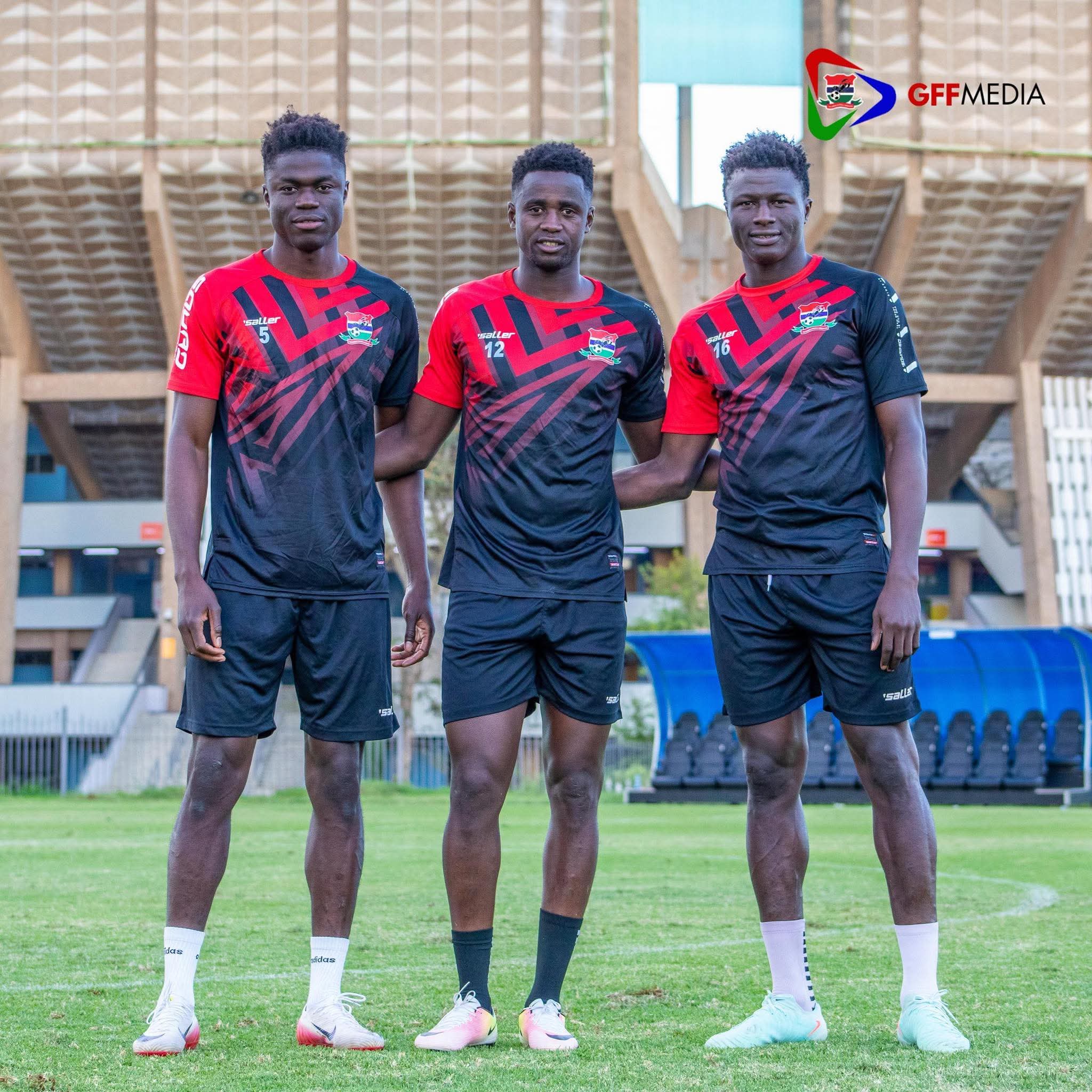
They also dominated the national U15 setup, setting the benchmark for academy-to-professional transition.
Clubs like Medina United, TMT, Team Rhino , Hawks and Fortune FC are following this model—maintaining reserve teams and prioritizing youth development as a pathway to senior football.
Hart Football Academy: A Case Study
Hart Football Academy from Jarra Soma remains a pure academy at heart, yet they have climbed from the Third Division to the First Division in just two seasons—without compromising their development philosophy.
Academy graduate Ebrima Barry, in only his third top-flight appearance, has already made a major impact, earning Man of the Match awards against Dutch Lions and GPA.

Hart Academy dominates all youth categories in the Lower River Region. Despite losing key players like Saikouba Jarjue, Sheriff Jallow, and soon Nfansu Dibba, the academy already has replacements ready—proof of sustainable planning.
The Transfer Market Effect
First and Second Division clubs benefited massively in the recent transfer window, with most signings coming directly from academies. Individuals like Alagie Nyassi, YAYA Manneh continue to play vital roles at Tallinding United Academy and KG5 Academy, while new projects such as Esohna Academy and Tijan Jaiteh Academy are emerging.
However, not all academies are genuinely developing players—some are merely seeking shortcuts.
Setting the Benchmark
Gambinos Football Academy, with its residential model and clear structure, has redefined how academies are viewed in The Gambia and has set a new benchmark for professionalism.
As the academy landscape grows, key issues must not be ignored:
- Safeguarding policies
- Licensed coaches
- Parental and player contracts
- Proper governance structures
An academy is like a school—it must have levels, progression, and accountability. Medina United is a standard academy by definition, yet there remains widespread misunderstanding of what an academy truly represents compared to European models.
Our collective effort is our manpower, just that it has to be rationalized nationally , we have high presence of agents and scouts and not just agents we have proven records of successful transfers from junior level to professional level.
Platforms, Regions, and International Pathways
There is general agreement that organized U17 tournaments have become effective platforms for identifying and scouting potential national team players. Over the past two years, these competitions have proven successful, offering visibility, competition, and early assessment at a critical development stage.
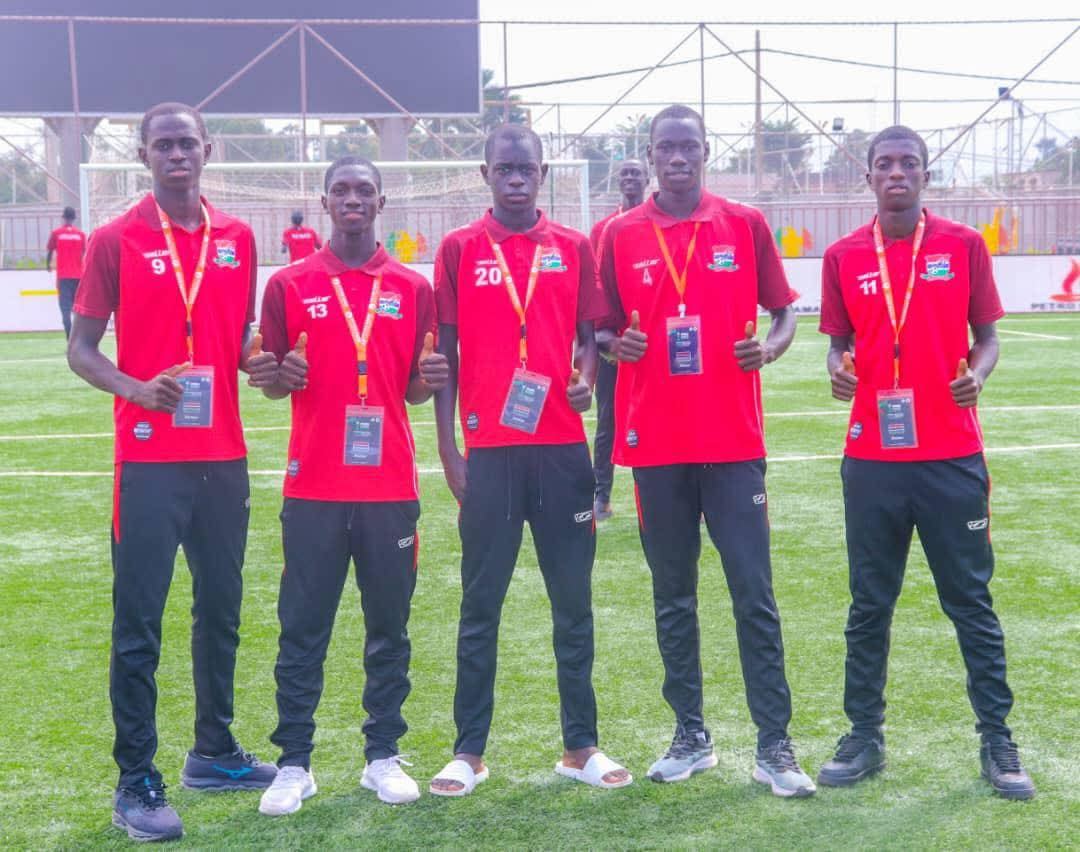
Beyond tournaments, regions and football communities play an equally vital role. Areas such as Sukuta, Bakau, Banjul, KMC (Kanifing), Kafuta, and Basse, among others, have consistently produced talented players. These environments expose children to football at a very tender age, providing informal yet formative pathways that later feed into structured academies.
Exporting Talent Beyond Borders
Gambian academies have increasingly become export hubs for regional powerhouses. Academy graduates have moved on to renowned Senegalese institutions such as Generation Foot, Mame Wade Academy, and Darou Salam. Similarly, several top Nigerian academies now include Gambian players in their setups—further validating the quality of grassroots development at home.
On the elite global stage, Aspire Academy has previously scouted Gambian players and enrolled them in Qatar. A notable example is current national team player Alasana Manneh, who passed through Aspire and later featured at La Masia, FC Barcelona’s prestigious youth academy.
More recently, the PSG Academy in Senegal currently hosts two Gambian players, both products of local academies in The Gambia—clear evidence that grassroots development structures are increasingly producing players capable of meeting international standards.
All these success stories point to one undeniable truth: Local academies remain the foundation of every international breakthrough.
When pathways are clear—through tournaments, regional talent pools, and structured academies—players do not just get discovered; they get prepared.
You can have resources, power, and talent—but without management, sustainability, and structure, the product will fail. That is why many academies rise briefly, only to vanish. Structure stands alone.
The Best Football Academies in The Gambia
Based on structure, player development, sustainability, and contribution to elite and semi-elite football, the following academies stand out:

Tier 1 – Elite & Benchmark Academies
These academies set the standard in structure, development pathways, and output.
- Excellence Football Academy
- Greater Tomorrow Football Academy
- Gambinos Football Academy
- Hart FC Academy
- Medina United Academy
Tier 2 – Strong Development & Competitive Academies
Well-structured academies with clear development philosophies and consistent talent production.
- KGH Sports Academy
- Kalabash Football Academy
- Universal Football Academy
- SEEDS Football Academy
- Jarisu Talents Academy
Tier 3 – Regional Powerhouses & Emerging Projects
These academies are crucial to regional talent identification and rural football development.
- Golden Hands Football Academy
- Bena Basse Football Academy
- Basse Palmas Football Academy
- KWT Football Academy
Why This Matters
What separates these academies from the rest is not just talent—but structure, continuity, and governance. They:
- Maintain age-group progression
- Transition players into competitive senior football
- Serve as key suppliers to domestic leagues and foreign academies
As Gambian football continues to evolve, these academies represent the backbone of the talent pipeline—from grassroots to international exposure.