By Alieu Ceesay
In the quiet village of Foni Sanghajorr, under the early morning sun, dozens of young people now gather not to lament scarce job prospects but to tend rows of freshly prepared garden beds. For many, this new agricultural project has become a powerful reason to remain in their communities rather than migrate in search of better opportunities elsewhere.
Supported by ChildFund The Gambia, in partnership with the Foni Ding Ding Federation, the initiative has transformed a substantial plot—187 by 154 square meters—into a dedicated youth farming space for mixed cropping. More than 90 young people are set to participate, with wire fencing already installed and an irrigation system in the planning stages to enable year-round cultivation.
Programme Coordinator Sankung Colley explained the project’s dual focus: equipping youths with practical agricultural skills while generating reliable income at home. “By creating meaningful opportunities locally, we reduce the pressures that often drive young people to leave their villages,” Colley said.
Across The Gambia, similar community gardening efforts are delivering tangible benefits, particularly to women and families in rural areas. In Kombo North and South districts—regions heavily dependent on subsistence farming—ChildFund and its local partners have distributed essential tools and materials to expand both backyard and communal gardens.
These gardens provide fresh vegetables for household consumption, improving children’s access to nutritious meals while generating surplus produce for sale in local markets. The additional income helps strengthen household finances and build greater resilience against economic hardship.
In Kanilai village, ChildFund has channeled more than one million dalasis in support, primarily to women’s groups. Beneficiaries report marked improvements in family nutrition, school-related expenses, and even the launch of small side businesses.
“We use the earnings to pay our children’s school fees, buy their lunch, and invest in gardening as a small enterprise,” said Fatou Bojang, a proud participant. “It has changed our lives.”
Backyard farming programs have also taken root in other communities. In Jambanjelly, resident Ebrima Barrow cultivates onions, oranges, pawpaw, and other crops in his home garden. “I sell some of the harvest for income and keep the rest for my family’s meals,” Barrow said. “It benefits us and even our neighbors.”
ChildFund’s support extends beyond agriculture. The organization has delivered medical supplies to Bansang and Farafenni General Hospitals, enhancing healthcare access in underserved regions. In Foni Ndemban, long plagued by water shortages, new infrastructure now ensures residents have reliable, clean drinking water.
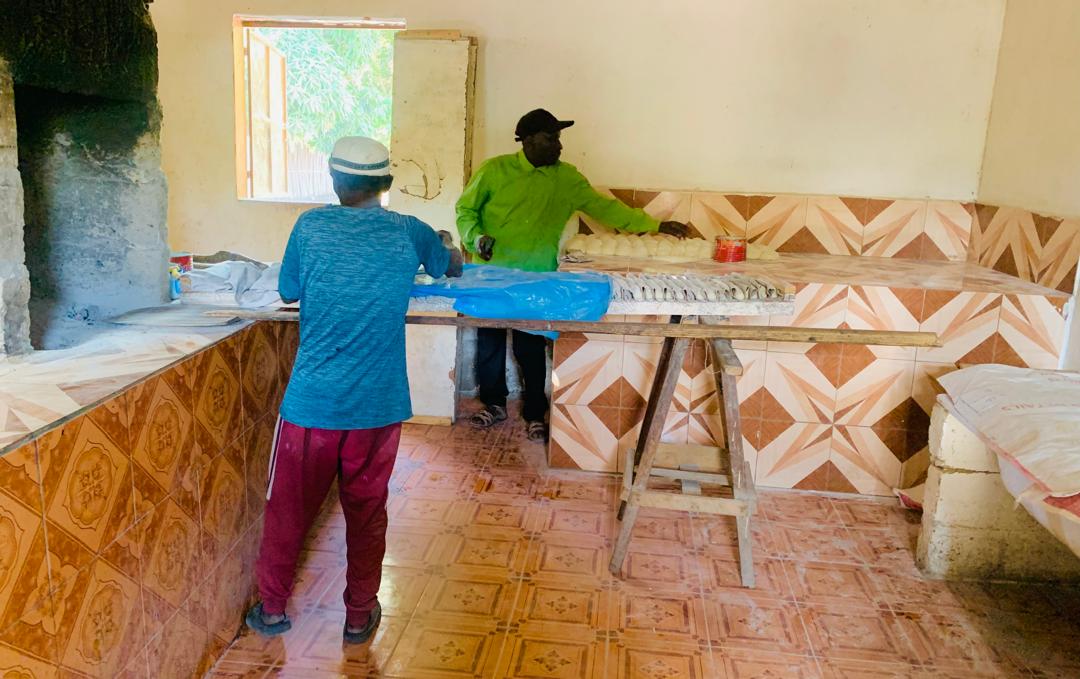
In Kuloro, Kombo East, a newly fenced garden offers women a safer space to farm. Meanwhile, in Sifoe village, Kombo South, a community bakery—backed by ChildFund and operated through DingDing Yiriwa—produces bread supplied to more than 15 local shops. Run as a self-sustaining fund by community members, it provides steady employment and income.
“The bakery helps us meet household needs and cover school costs for our children,” said operator Ebrima Manneh.
From vegetable plots and irrigation plans to bakeries, clean water points, and medical aid, these interventions may appear modest. Yet for families in The Gambia’s rural heartlands, they translate into greater stability, improved nutrition, economic empowerment, and—perhaps most importantly—renewed hope for the future.