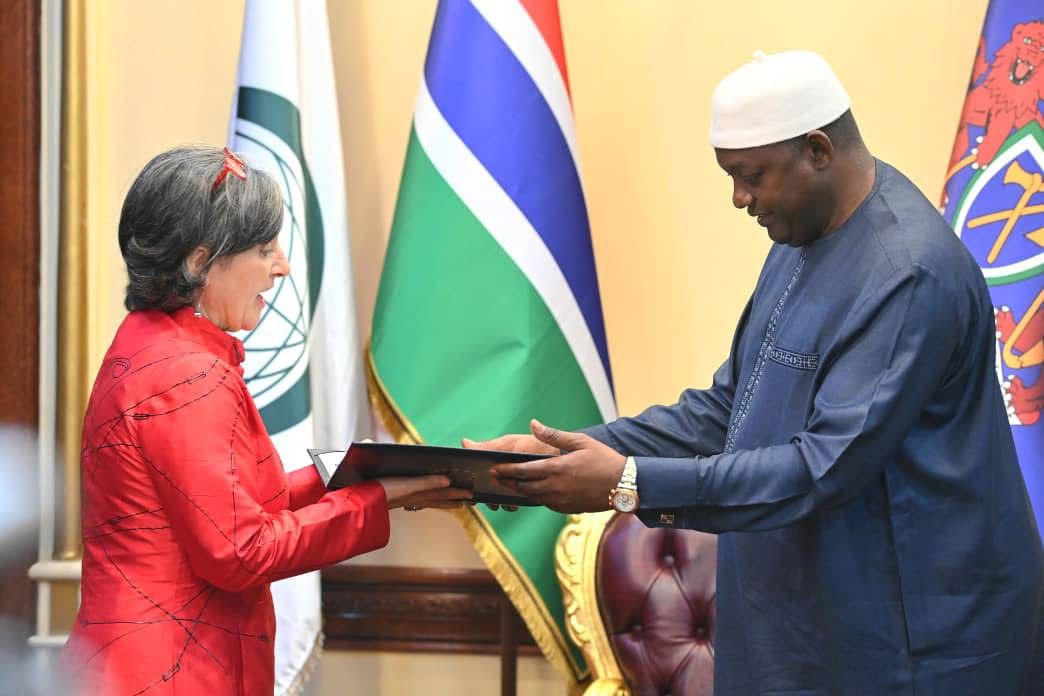
The European Union Ambassador to The Gambia, Imma Roca I Cortes, has confirmed that the EU has fully paid over D280 million (€550,000) to the Gambia Government as part of the Sustainable Fishing Partnership Agreement (SFPA) signed in 2019. The announcement comes amidst growing discontent among stakeholders in the fisheries sector, who claim the agreement has failed to deliver promised infrastructure and support, leaving coastal communities without critical developments.
The SFPA, a six-year agreement that allows European vessels to harvest hake and tuna in Gambian waters, includes a financial commitment from the EU to support fisheries sector development. Approximately half of the D280 million was allocated to sustainable fisheries management, promoting the blue economy, supporting artisanal fisheries, and combating illegal, unreported, and unregulated (IUU) fishing. However, stakeholders across key fishing communities, including Bakau and Tanji, have voiced frustration over the lack of tangible outcomes from these funds.
Alieu Saine, an executive member of the Bakau Fish Landing Site, expressed deep disappointment, stating, “There is no single project in Bakau that we can associate with the SFPA. We expected an ice plant, fish-burning hots for fishmongers, and capacity-building programs, but nothing has materialized.” Saine criticized the Fisheries Ministry for failing to engage stakeholders during the project’s implementation, arguing that half of the funds should have been invested in fish landing sites to address their challenges.
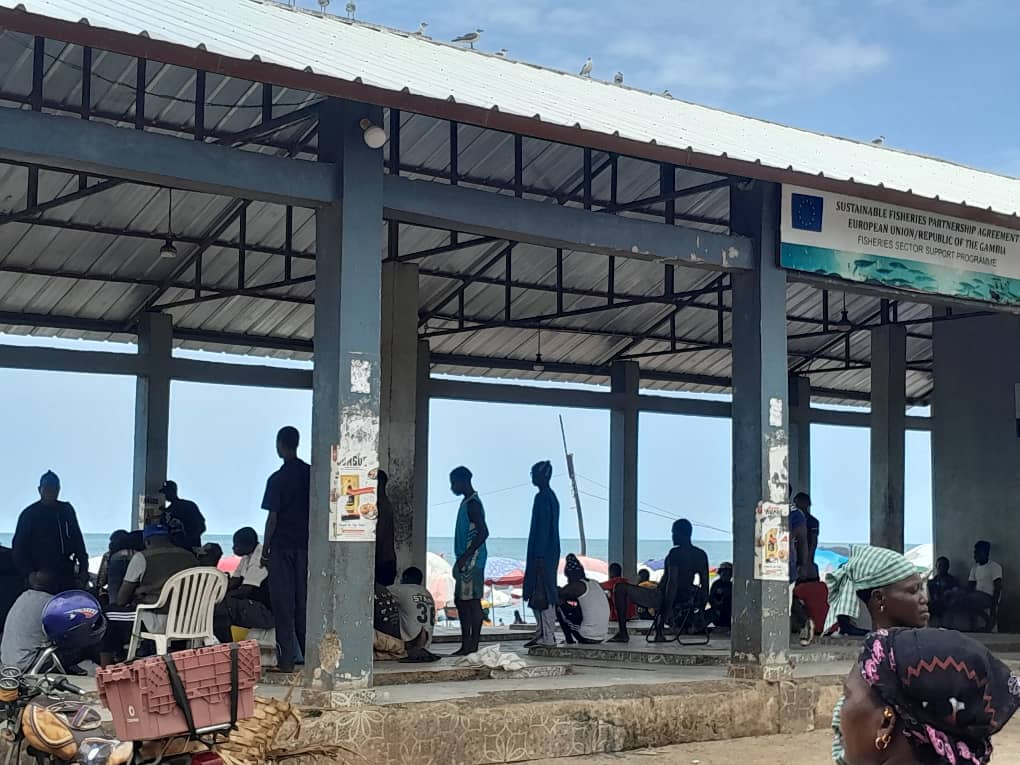
Similar sentiments were echoed at Tanji Beach, where Lamin Bojang, Center Management of Tanji Fishing Landing Site, pointed to a single fish landing platform as the only SFPA-funded project. He described the platform as inadequate, citing its small size, poor drainage system, and design flaws that hinder vehicle access for loading and unloading catches. “We told the contractor the design wouldn’t work, but they followed the plan they were given,” Bojang said. “This platform doesn’t meet our needs, and we’re still without an ice plant or fish-burning hots.”
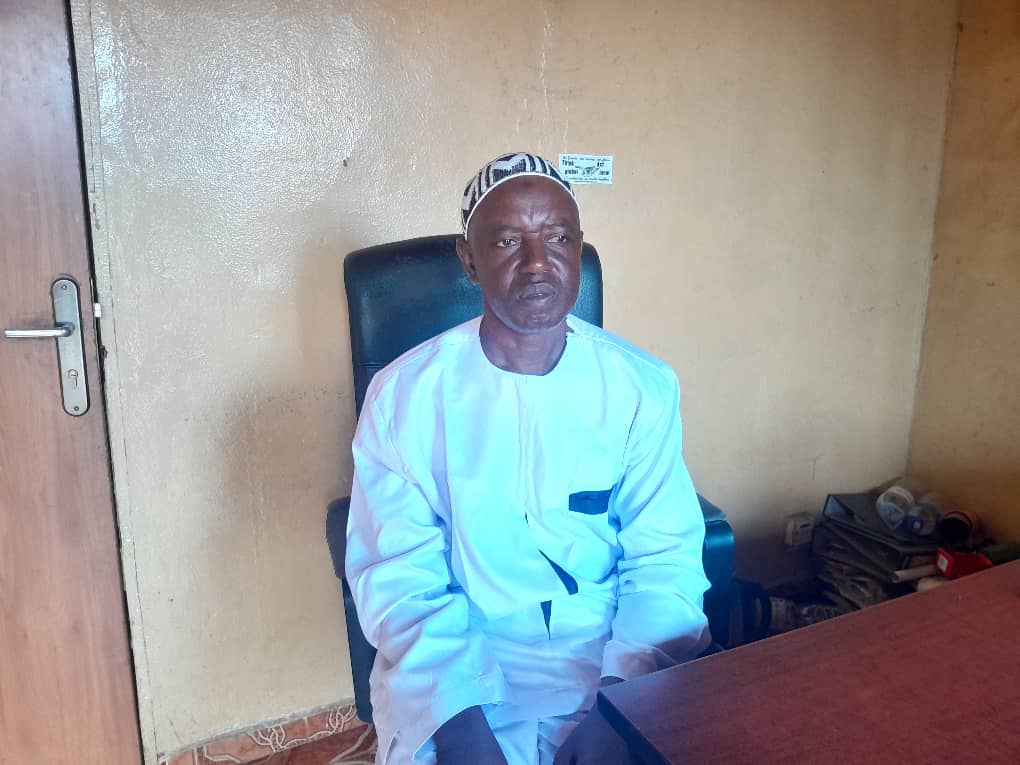
Stakeholders had high expectations for the SFPA, including the construction of ice plants, fish-burning hots, and capacity-building initiatives to strengthen the artisanal fisheries sector. Additionally, the agreement promised two surveillance vessels from Darmain Shipyard in Holland and two monitoring and communication centers to combat IUU fishing. However, stakeholders claim these deliverables remain unseen. Bojang noted that Tanji relies on a privately owned ice plant struggling with frequent power outages, a situation he believes the SFPA funds could have addressed.
Omar Gaye, Secretary General of the Artisanal Fisheries Association, questioned the management of the SFPA funds, calling for transparency and accountability. “The amount paid by the EU could have transformed the fisheries sector if properly managed,” Gaye said. “We need records to show how these funds were disbursed. The project has failed to deliver key infrastructure that could drive economic activity in coastal communities.”
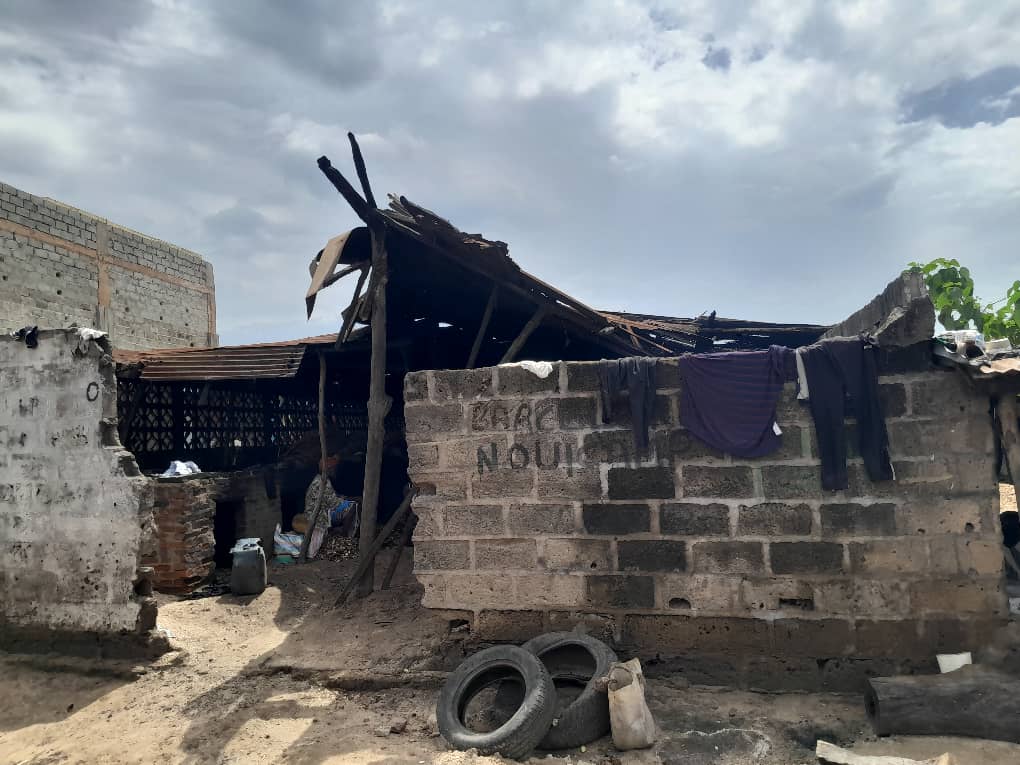
The criticisms highlight a disconnect between the EU’s financial commitments and their impact on the ground. Stakeholders argue that the Fisheries Ministry and Department should have prioritized consultation with fishing communities to address their specific needs, such as modernized landing sites, reliable ice plants, and capacity-building training programs.
Ambassador Roca I Cortes reiterated the EU’s commitment to supporting The Gambia’s fisheries sector, emphasizing that all payments under the SFPA have been made to the government. However, she did not address specific concerns about the utilization of funds or the status of promised infrastructure. The Fisheries Ministry has yet to respond to calls for a detailed breakdown of how the D280 million was allocated.
As the SFPA approaches its final year, stakeholders are urging the government to publish a transparent account of funds disbursed and to prioritize investments that directly benefit fishing communities. Without these measures, the promise of a sustainable and thriving fisheries sector in The Gambia remains unfulfilled, leaving coastal communities grappling with unmet expectations and ongoing challenges.