By: Alieu Ceesay
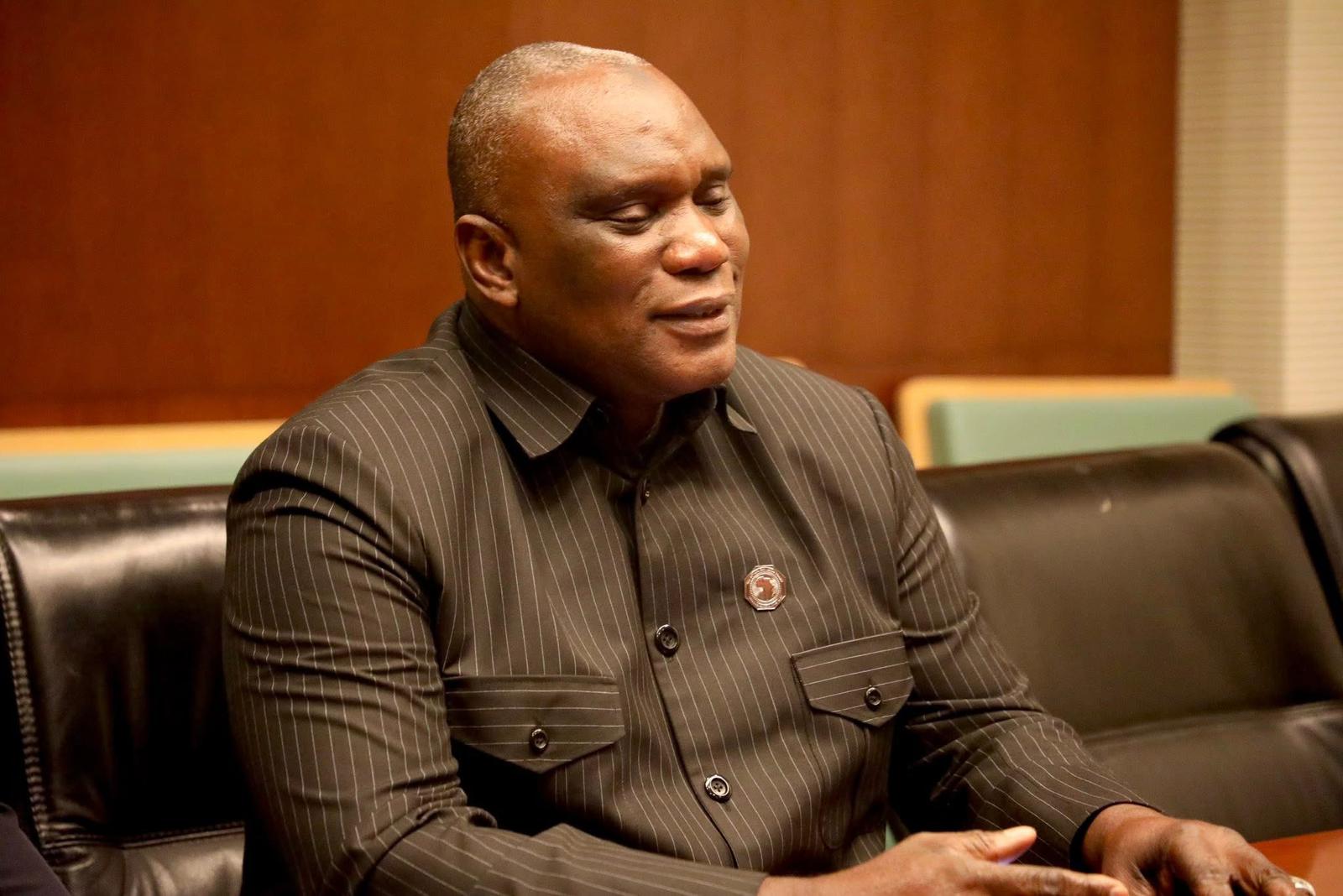
In a lively session at the National Assembly on Wednesday, Foreign Affairs Minister Sering Modou Njie defended The Gambia’s delayed compliance with a key United Nations Security Council resolution on nuclear proliferation while outlining diplomatic efforts to challenge a new U.S. visa bond requirement for Gambian travelers.
The debates highlighted ongoing challenges in fulfilling international obligations and navigating strained bilateral relations with the United States, as lawmakers pressed for accountability on sensitive security and migration issues.
Responding to a query from Hon. Abdoulie Ceesay of Old Yundum, Minister Njie acknowledged that The Gambia has yet to submit its mandatory national report to the UN Security Council 1540 Committee, almost two decades after the adoption of Resolution 1540 in 2004. The resolution requires all UN member states to implement and report on measures preventing the proliferation of nuclear, chemical, and biological weapons, particularly to non-state actors.
The Minister attributed the delay to capacity constraints and explained that the Ministry of Defence, designated as the national point of contact, has formally requested technical assistance and capacity-building support from the 1540 Committee. He noted that the Committee has indicated readiness to provide aid, with related activities anticipated before the end of the second quarter of 2026.
To strengthen coordination, a national disarmament committee has been formed, drawing representatives from Defence, Foreign Affairs, Justice, Environment, and other relevant institutions. Njie emphasized that extensive inter-ministerial collaboration and data collection are necessary, preventing a firm submission timeline at present. He reaffirmed The Gambia’s commitment to meeting its international responsibilities and improving reporting mechanisms.
The discussion extended to U.S. immigration policy, following a question from Hon. Abdoulie Njai of Banjul Central on the recent visa bond pilot program affecting Gambian applicants for B1/B2 (business/tourist) visas. Implemented starting October 11, 2025, the program requires eligible Gambian nationals to post a refundable bond of $5,000 to $15,000—determined during the visa interview—to promote compliance and reduce overstays. The bond is refunded upon timely return but forfeited if conditions are violated.
Minister Njie described the measure as part of a broader U.S. pilot targeting select countries with noted overstay concerns. The Gambian government has launched diplomatic engagements through its embassy in Washington, D.C., and the U.S. Embassy in Banjul to address the policy. While some lawmakers raised reciprocity concerns, Njie stated that no retaliatory actions are under consideration, with the focus remaining on constructive dialogue.
In a separate but equally tense exchange, Hon. Omar Jato Jammeh of Janjanbureh Constituency challenged the Minister over the issuance of Gambian diplomatic passports to foreign nationals from 2017 to 2025. Jammeh demanded a full list of recipients, including their status and application documents, insisting Parliament could handle the information confidentially in its oversight role.
Minister Njie responded cautiously, explaining that diplomatic passports are primarily for individuals representing Gambian interests abroad, with exceptional cases for foreign nationals providing strategic services—subject to presidential approval and vetting by multiple agencies, including the Office of the President, Ministry of Interior, and Gambia Immigration Department.
He cautioned that disclosing detailed information could violate diplomatic confidentiality, undermine reciprocity with other nations, and pose national security risks. He noted that some Gambians hold diplomatic passports from foreign countries, adding to the sensitivity.
Jammeh persisted, seeking a timeline for providing the list and arguing that the response addressed procedures but not the core query. The confrontation intensified until Deputy Speaker Seedy Njie ruled the question out of order, prompting Jammeh to lament non-adherence to parliamentary rules.
These exchanges underscore The Gambia’s balancing act between international commitments, domestic oversight, and bilateral diplomacy. As technical support arrives and talks with Washington continue, lawmakers signal heightened scrutiny of government transparency on security and foreign policy matters.