By Sainabou Sambou
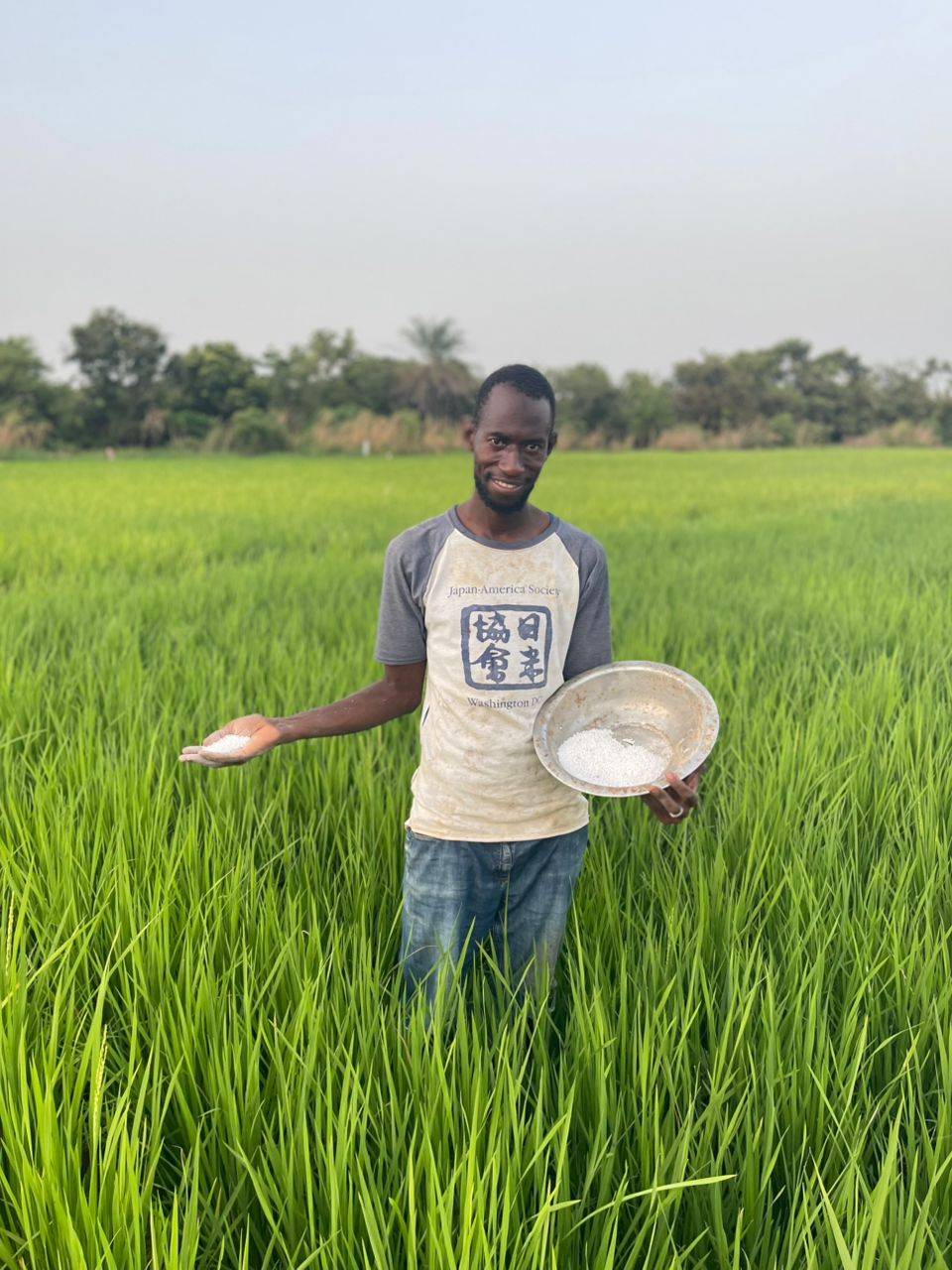
In the heart of Janjangbureh, Central River Region, Muhammed Fayinkeh is redefining what it means to be a young, educated farmer in The Gambia. A dedicated teacher by profession and a passionate farmer by choice, Fayinkeh has seamlessly blended his two callings to create a life of impact, resilience, and inspiration. Balancing a teaching career with the demands of agriculture, he cultivates not only crops but also sows seeds of change in his community, proving that farming is a viable path for the youth.
Fayinkeh’s journey began two decades ago, when he worked alongside his late father in the fields. Inspired by the rice growers of his region and guided by his father’s wisdom, he took his first steps into farming. “Seeing their harvests motivated me to begin farming,” he recalls. Today, as he pursues a degree at the University of The Gambia’s School of Education, Fayinkeh remains deeply committed to teaching and farming, two complementary professions that he is passionate about.
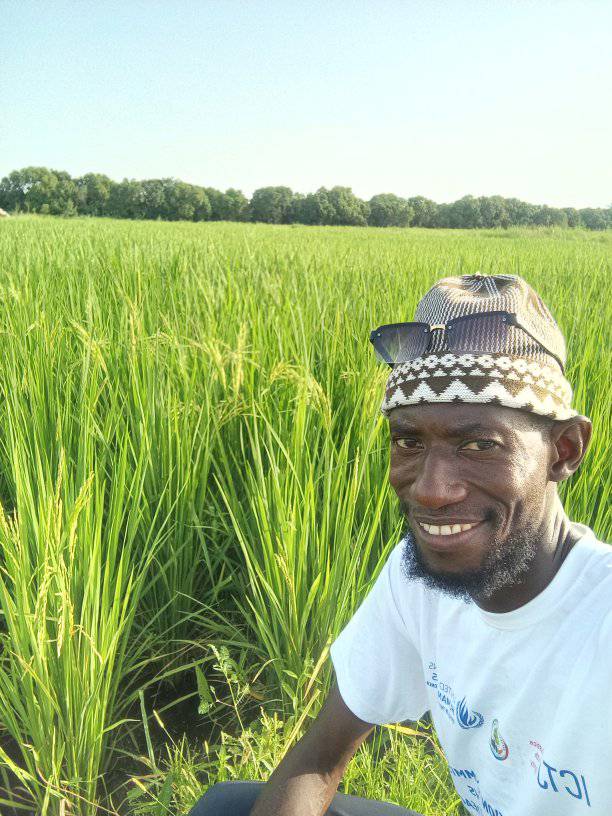
For Fayinkeh, combining these roles is a matter of necessity and strategy. “Teaching alone could not sustain me,” he explains. To manage both, he relies on careful planning and discipline, dedicating school holidays to his farm to ensure every task—from planting to harvesting—is completed on time. His students and colleagues, aware of his dual roles, offer encouragement and sometimes even lend a hand on the farm. This support fuels his drive to excel in both fields.
Farming has provided financial stability and shaped Fayinkeh’s approach to teaching and life. “Farming has taught me commitment, persistence, consistency, and, most importantly, patience,” he says. These lessons translate into his classroom, where he instills the same values in his students. “Farming shapes the way I approach teaching and life,” he adds, highlighting the profound connection between his passions.
Yet, the path of a young farmer is not without obstacles. Access to machinery, seeds, and fertilizers remains a significant challenge, particularly for young farmers in The Gambia. According to the ROOTS Project (2021), limited resources and the perception of farming as a low-status, labor-intensive occupation deter many youths from entering the sector. Despite these hurdles, Fayinkeh remains undeterred. “It was not easy to overcome these obstacles, but with faith and careful management, I have met many of them,” he says. He brushes off skeptics who view farming as unfit for educated youth, letting the success of his harvests speak for itself. “I focus on my farm, and it provides for my family,” he asserts.
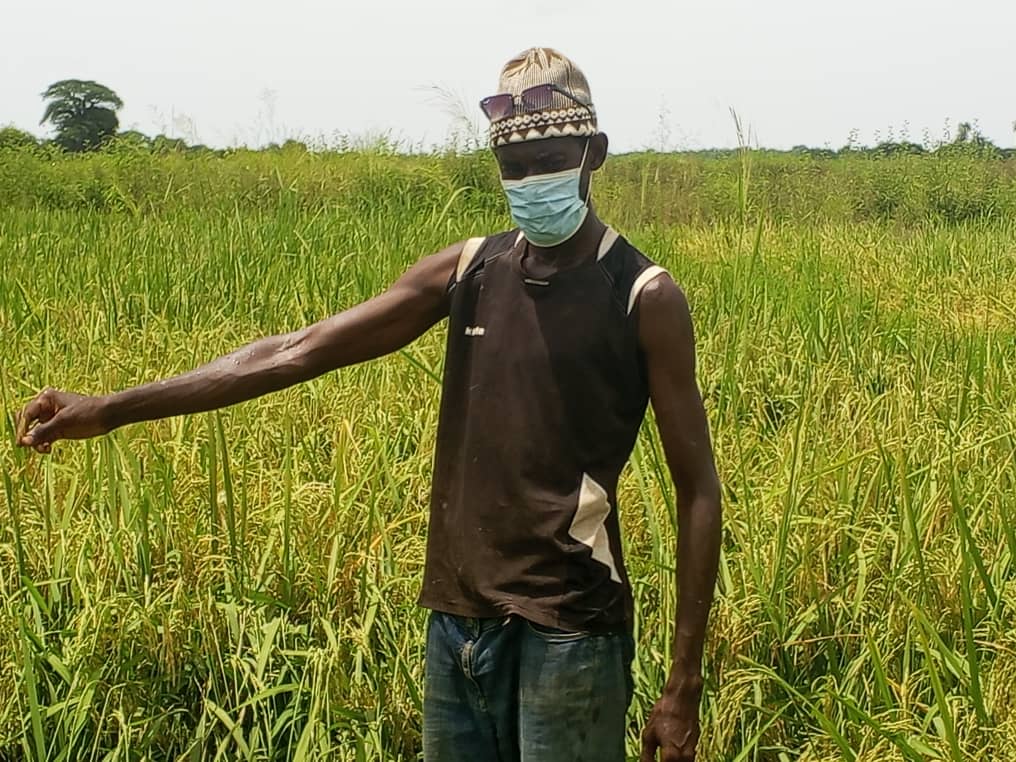
Fayinkeh’s farm is more than a source of income—it’s a lifeline. “I eat what I grow and sell part of the harvest to support my family,” he says. During the dry season, he cultivated two rice plots under a subsistence farming system, investing D1,000 in transplanting seedlings, D1,800 in fertilizers, and just D2 in herbicides. With the help of his brothers, he harvested 22 bags of rice, each weighing 50 kilograms. He expanded to five plots this rainy season, including three for a larger-scale project. He ensured efficiency and accountability by hiring seasonal workers for tasks like ploughing, levelling, transplanting, weeding, and harvesting. His expenses totaled D20,900, covering D2,500 for ploughing, D2,000 for levelling, D2,500 for transplanting, D500 for herbicides, D4,400 for fertilizers, D4,000 for weeding, and D5,000 for harvesting. Fayinkeh anticipates a bumper harvest of up to 70 bags, promising significant profit. “In farming, there are no losses. You cultivate the land, and in three months, you harvest,” he says, emphasizing rice’s unique potential for year-round cultivation.
Beyond personal gain, Fayinkeh’s work has a ripple effect. He has become a role model in his community, inspiring at least four or five young people to take farming as a sustainable path. “My community responds positively, offering words of encouragement that motivate me to work harder,” he says. His story aligns with broader efforts to engage youth in agriculture. According to the International Fund for Agricultural Development (IFAD, 2023), agriculture employs over 60% of The Gambia’s rural population. However, Jawla (2023) notes that less than 40% of farmers in the Central River Region are aged 17 to 39, underscoring the need for role models like Fayinkeh. Programs like the ROOTS Project (2021) aim to bridge this gap by providing training, ploughing services, and financial support to young farmers, helping them overcome barriers and increase productivity.
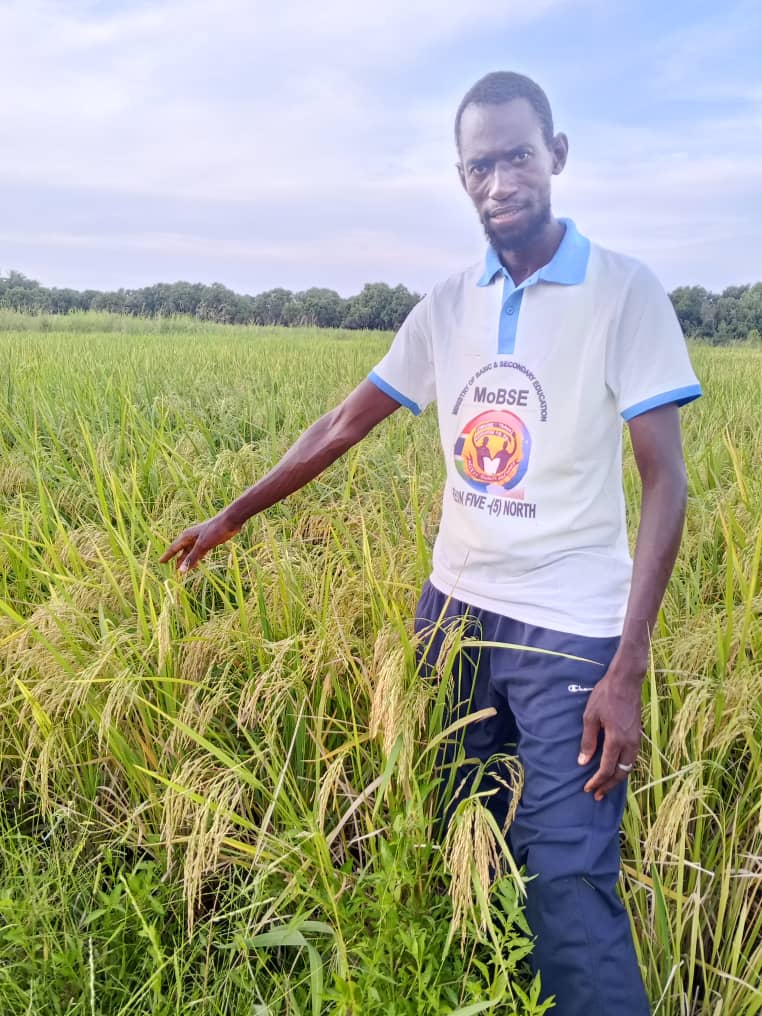
Fayinkeh’s long-term vision is to continue balancing teaching and farming until he is fully established in agriculture. Each rice season brings him closer to this goal, with yields improving year after year. For him, agriculture is more than a job—it’s a way of life. “Visiting the farm gives me energy and focus,” he says. Through his dedication, he hopes to inspire more young people to see agriculture as a means of survival and a foundation for building a future.
“Farming requires patience, careful planning, and persistence,” Fayinkeh advises aspiring farmers. “Be ready to face challenges along the way.” His story is a testament to the power of resilience and the transformative potential of agriculture. As he continues to teach in the classroom and cultivate the land, Muhammed Fayinkeh is planting hope for a new generation of Gambian farmers.