By Fatou Dahaba
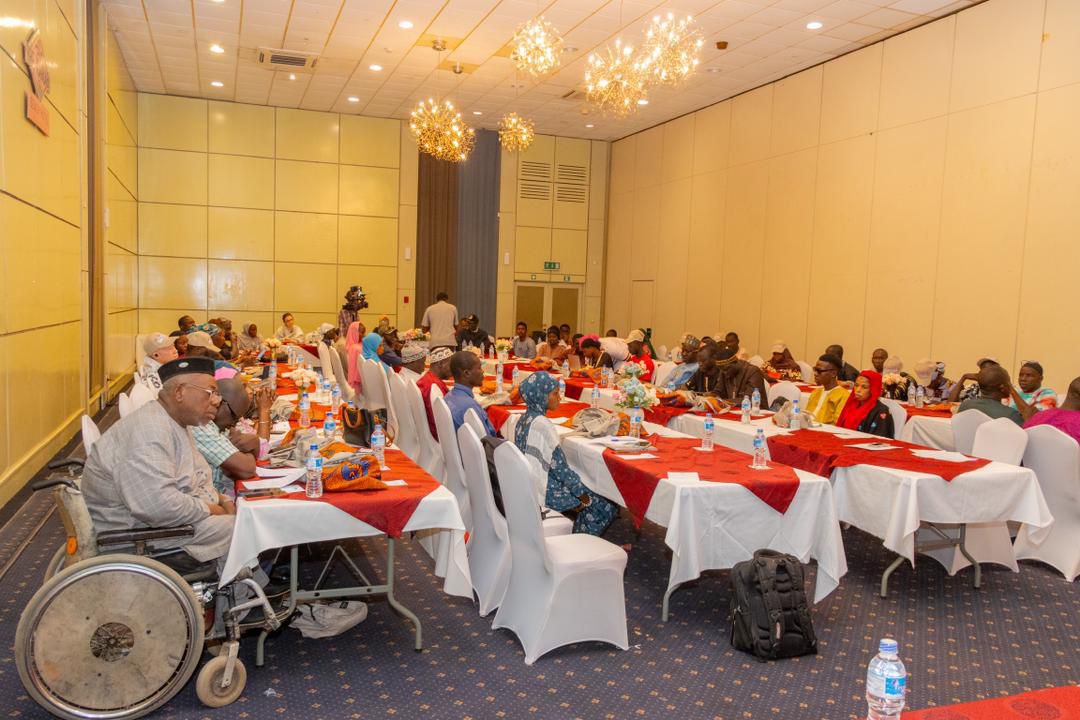
Government officials, advocates, and international partners have committed to a major shift in disaster risk management, vowing to prioritize the needs of persons with disabilities in national policies and responses. At the National Forum for Knowledge Exchange and Learning, organized by the Network Against Gender-Based Violence (NGBV) in partnership with UNFPA and the Gambia Federation of the Disabled, stakeholders emphasized that disability inclusion is a fundamental human right, not an afterthought.
The forum marks a critical step toward integrating disability considerations into disaster preparedness, response, and climate adaptation strategies. Amid The Gambia’s vulnerability to flooding and other climate-related hazards, participants highlighted how persons with disabilities often face disproportionate risks due to barriers in access to information, evacuation, and recovery support.
Fallou Sowe, National Coordinator for NGBV, underscored the urgency of the issue. “If you are a human being, you should always remember that disability can happen to anyone at any time,” he said. Sowe called for comprehensive strategies that ensure persons with disabilities are fully included in disaster responses, urging government and community organizations to act decisively. “We must ensure that persons with disabilities are not left behind in our national responses to disasters,” he added, stressing the need for sensitivity and integration in everyday policies.
Representing the Minister of Gender, Children, and Social Welfare, the Principal Social Welfare Officer Modou Sumareh, acknowledged heightened vulnerabilities faced by persons with disabilities during crises. Despite existing legal frameworks, he described full integration into disaster risk management as an “urgent, unfinished commitment.” He framed the forum as a bridge “from rhetoric to reality,” a platform for sharing best practices and forging actionable recommendations.
Justice Muhammed Krubally, Chairperson of the Gambia Federation of the Disabled, delivered a stark reminder of historical neglect. “For far too long, persons with disabilities have been considered last in terms of evacuation and safety,” he stated. Krubally demanded that the government and stakeholders fulfill obligations to protect and include persons with disabilities in decision-making processes. “We need protection,” he emphasized.
Joy Michael, Gender Program Specialist at UNFPA, reaffirmed the agency’s commitment. “Today’s forum reaffirms our commitment to building a Gambia where every person, including those with disabilities, can participate meaningfully in disaster response and climate initiatives,” she said. Michael described disability inclusion as both a “development imperative and a human rights obligation,” essential for designing systems that safeguard vulnerable populations from climate change impacts
The event featured panel discussions on mainstreaming disability into national strategies and empowering women and girls with disabilities in climate action.