By Kebba Ansu Manneh, reporting from Dakar, Senegal
At the just-concluded Africa Food Systems Forum (AFSF) 2025 in Dakar, Senegal, scores of Gambian entrepreneurs and youth leaders have issued a passionate call to the Gambian government to ramp up investments in youth-led initiatives. They emphasized that empowering young people in entrepreneurship and agriculture could significantly boost employment, enhance livelihoods, and drive economic growth in The Gambia. The forum, held from August 31 to September 5, 2025, has provided a platform for these innovators to showcase their products, network with global stakeholders, and advocate for systemic support to transform the nation’s agricultural landscape.
The AFSF, now in its 15th year, is Africa’s premier platform for advancing inclusive and sustainable food systems, attracting over 6,000 delegates from 80 countries, including over 2,000 youth participants. Gambian representatives, supported by the International Trade Centre (ITC) and the Consortium of African Youths Against Climate Change (CAYACC), seized the opportunity to highlight their innovative products and services to a global audience, while pressing for greater government backing to scale their efforts.
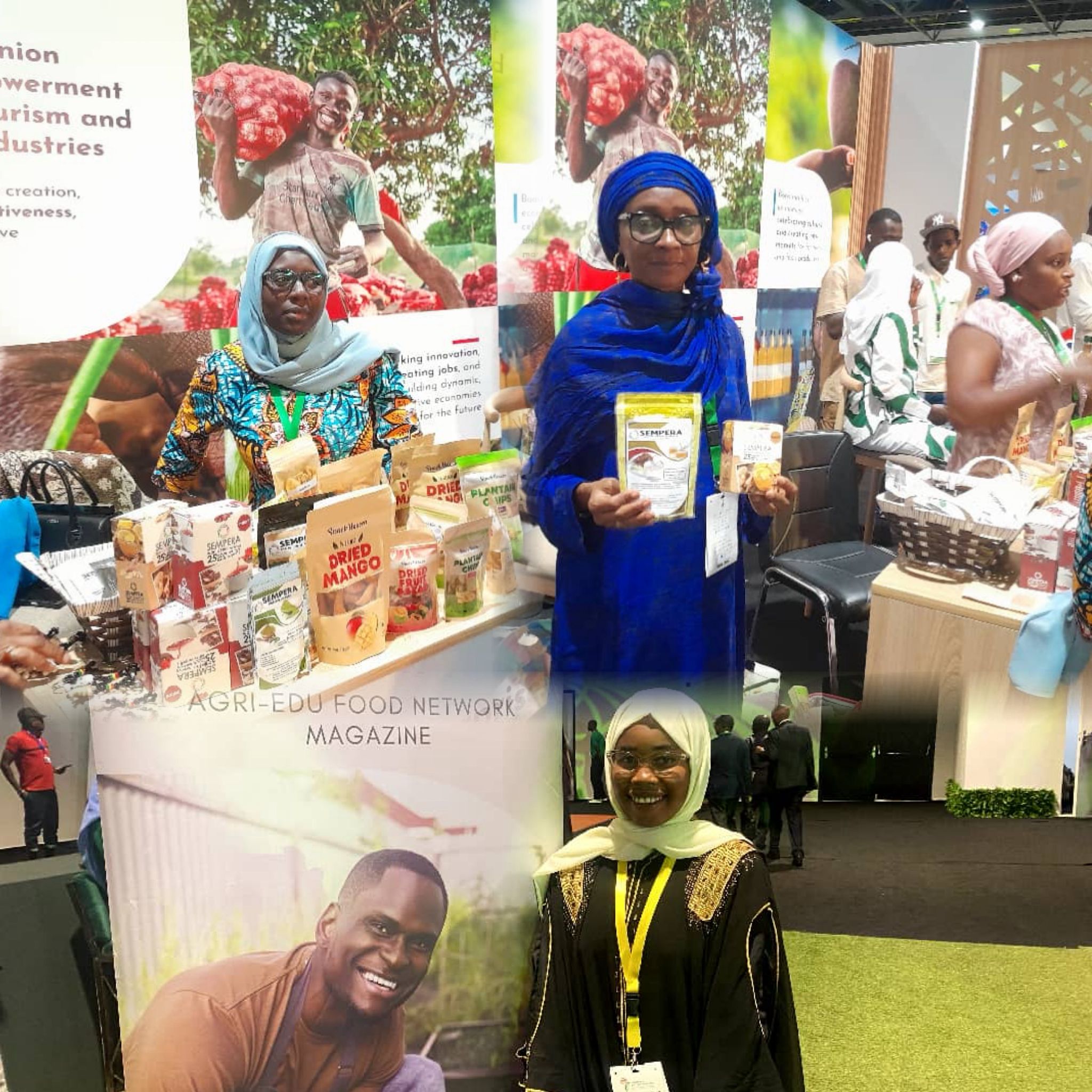
Fatou Ceesay, CEO of Snack Heaven, expressed gratitude for the opportunity to participate in the forum, which she described as a transformative experience. “For us, it’s been a great experience because we have networked and are in the process of collaborating with other stakeholders to take Gambian products to other parts of the world,” Ceesay told The Alkamba Times (TAT) on the sidelines of the event.
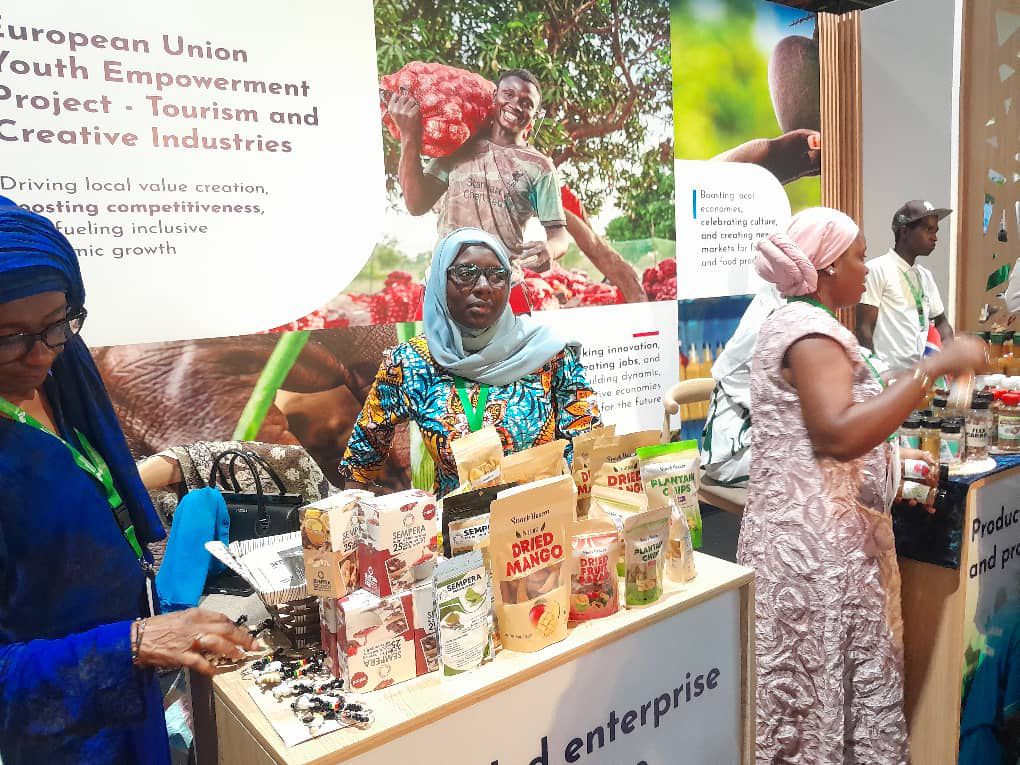
She stressed that youth engagement in agriculture—spanning farming, value addition, and distribution—requires robust financial support from the government. “Gambians are naturally innovative, as evidenced by the entrepreneurs here with unique products. But our main challenge is access to finance to expand and penetrate the global market,” she added.
Abibatou Tambedou, co-founder of Sampera Enterprise, echoed Ceesay’s sentiments, praising the ITC and the Gambia Investment and Export Promotion Agency (GIEPA) for enabling five Gambian entrepreneurs to attend the forum. Tambedou highlighted the success of showcasing locally made products like ‘Nan Mburu, ‘Jenejobi, porridge, Baobab Powder, Lemongrass tea, and Herbal snacks, all sourced from Gambian farmers. “This forum has exposed our products to the world and helped us build new contacts and partnerships,” she said.
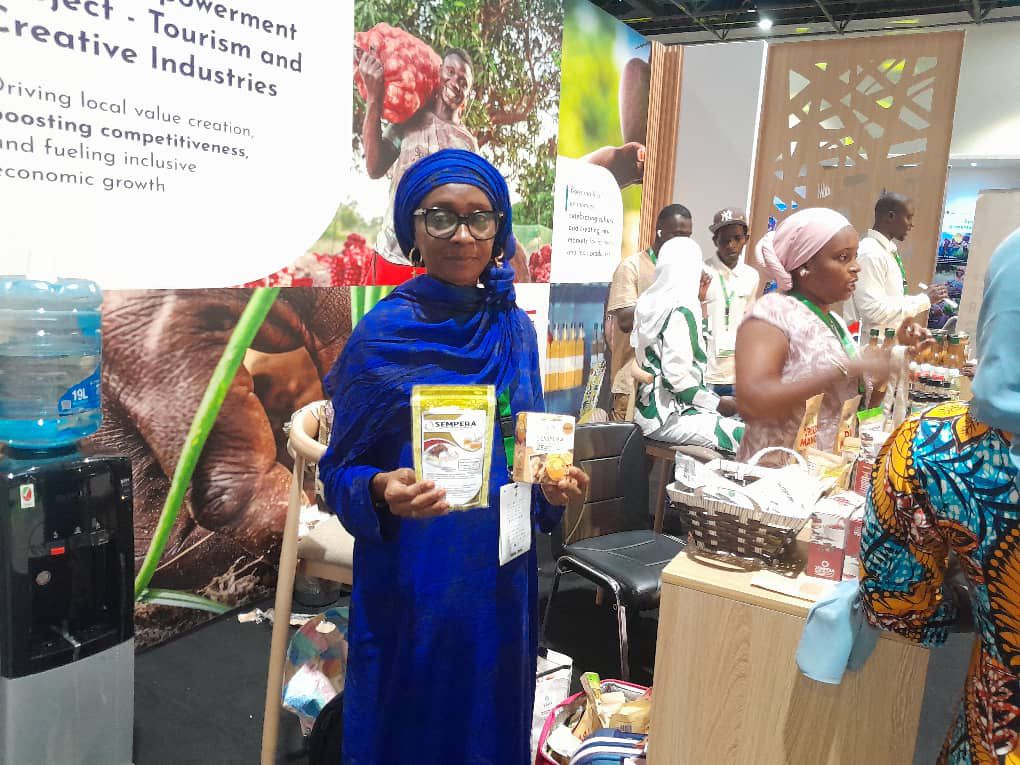
“Participants have shown great interest in Gambian products, resulting in significant sales.” However, she urged the government to provide more grants and support to local entrepreneurs, noting that such investments would enable them to build sustainable enterprises and inspire more youth to join the agricultural sector.
Fatoumatta Camara, the Gambian representative for CAYACC, emphasized the critical role of youth and women in transforming Africa’s food systems. Representing a platform that amplifies young voices across the continent, Camara described the AFSF as a unifying force for driving agricultural innovation. “Youth are the future—farmers, value chain actors, researchers, and climate activists providing solutions to feed our communities and sustain Africa’s food systems,” she said.
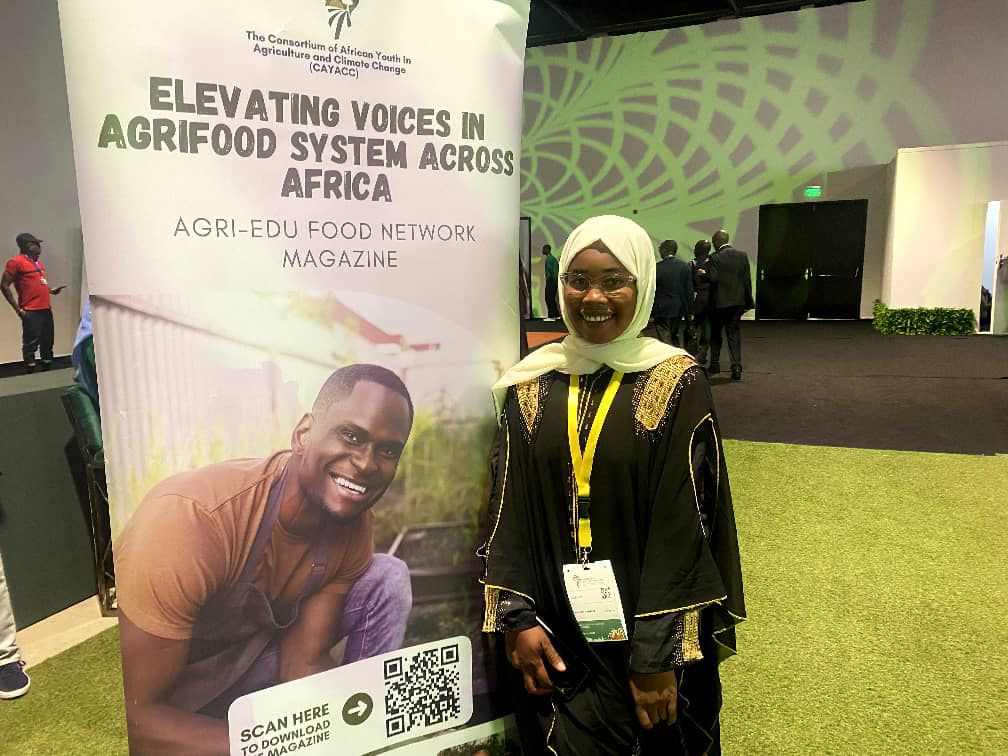
Camara called on the Gambian government to invest in education, training, and funding to empower youth and women in agriculture.
She encouraged young people to start small and scale up their ventures while awaiting government support. “Don’t wait for funds to come to your doorstep. Start small and grow big,” she advised.
Other Gambian participants, including Fatou S. Jallow (known as Khan Jallow) and Moses Sonko, reinforced the call for increased government funding. They highlighted the potential of agriculture to address youth unemployment and drive economic growth, provided there is adequate investment in infrastructure, training, and access to finance. The AFSF’s youth-focused sessions, including the Youth Town Hall led by Senegal’s President Bassirou Diomaye Faye and Prime Minister Ousmane Sonko, underscored the centrality of young people in shaping Africa’s food future. The forum’s theme, “Africa’s Youth: Leading Collaboration, Innovation and Implementation of Agri-Food Systems Transformation,” resonated deeply with the Gambian delegation.
The ITC and CAYACC bolstered the Gambian entrepreneurs’ participation by facilitating their presence at the forum. Their products, rooted in local agricultural value chains, showcased The Gambia’s potential and highlighted the challenges of scaling up without sufficient financial and policy support. The AFSF’s Agri-food Investment Forum, a key event feature, provided a marketplace for structuring bankable ideas, connecting entrepreneurs with dealmakers, and fostering partnerships to enhance market access.
The Gambian contingent’s call aligns with broader discussions at the AFSF, where leaders endorsed the revised Comprehensive Africa Agriculture Development Programme (CAADP) strategy, aiming for a 45% increase in agri-food output and a tripling of intra-African trade by 2035.
With Africa spending $60–80 billion annually on food imports despite vast uncultivated land, the urgency of investing in youth-led solutions to achieve food sovereignty is apparent.
As the forum ends today in Dakar, Senegal, Gambian entrepreneurs and youth leaders remain optimistic that their advocacy will spur action. “This is not just a conference; it’s a movement,” said Senegal’s President Faye in his keynote, a sentiment echoed by the Gambians who see their participation as a step toward building a self-sufficient and prosperous agricultural sector.