By Fatou Dahaba
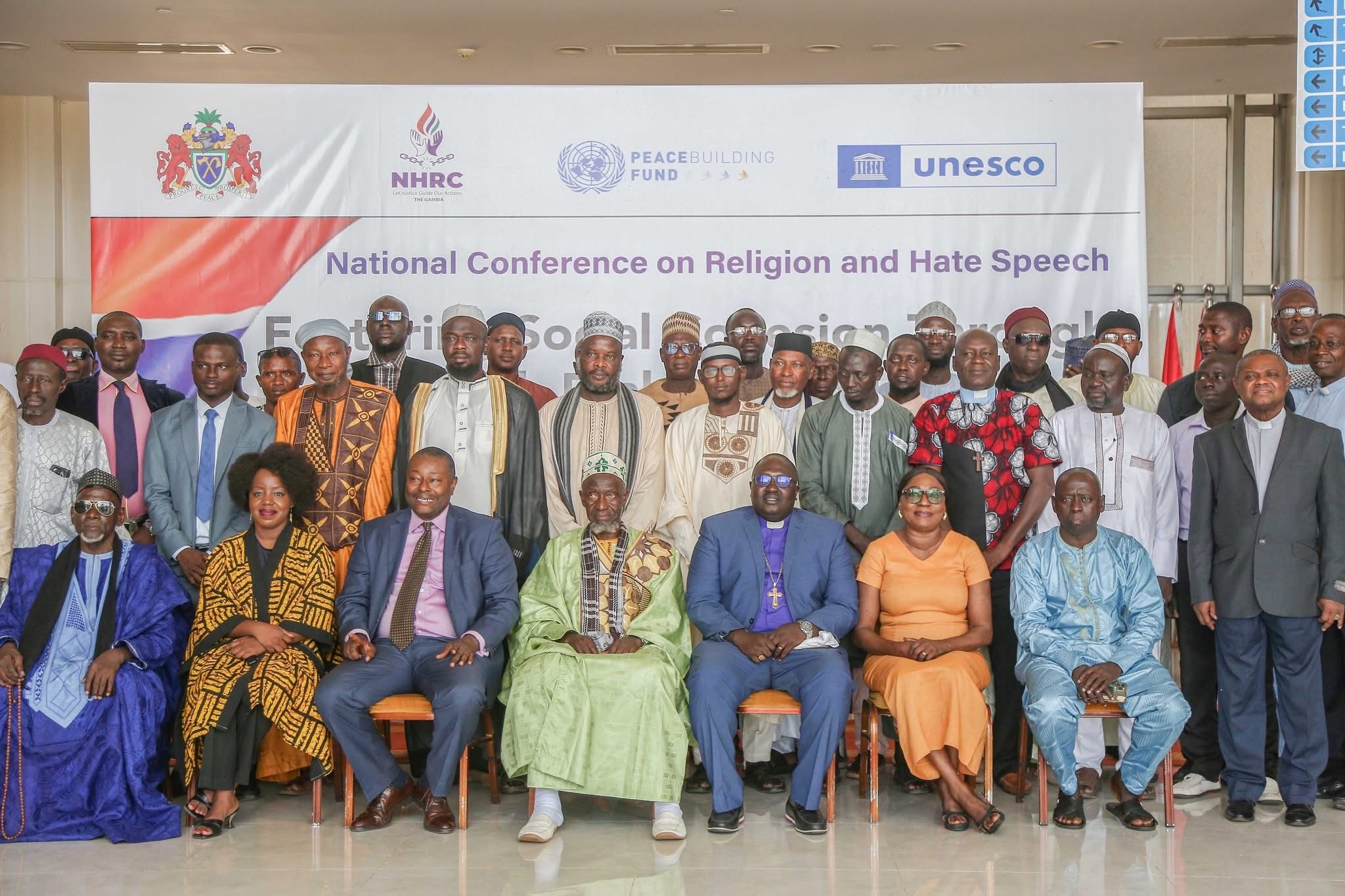
A recent study by the National Human Rights Commission (NHRC), validated on July 30, 2025, at Ocean Bay Hotel in Bakau, has revealed an alarming persistence of hate speech in The Gambia, particularly along ethnic lines. The comprehensive follow-up study, supported by UNESCO, underscores the urgent need for coordinated action to address this growing threat to social cohesion and human rights in the country.
The study, building on a 2024 report, examines the prevalence, drivers, and impacts of hate speech while proposing strategies to combat the phenomenon. Conducted through interviews and desk research, the follow-up assessment highlights new manifestations of hate speech and reinforces the need for immediate implementation of recommendations outlined in the initial report.
Jainaba Johm, Vice Chairperson of the NHRC, emphasized the study’s role in guiding stakeholders toward effective solutions. “This is a call to action for government institutions, civil society, media actors, and every citizen in The Gambia,” Johm declared. “We must take ownership of the fight against hate speech.” She reiterated the NHRC’s commitment, as the sole body mandated to promote and protect human rights, to remain vigilant against threats to these rights.
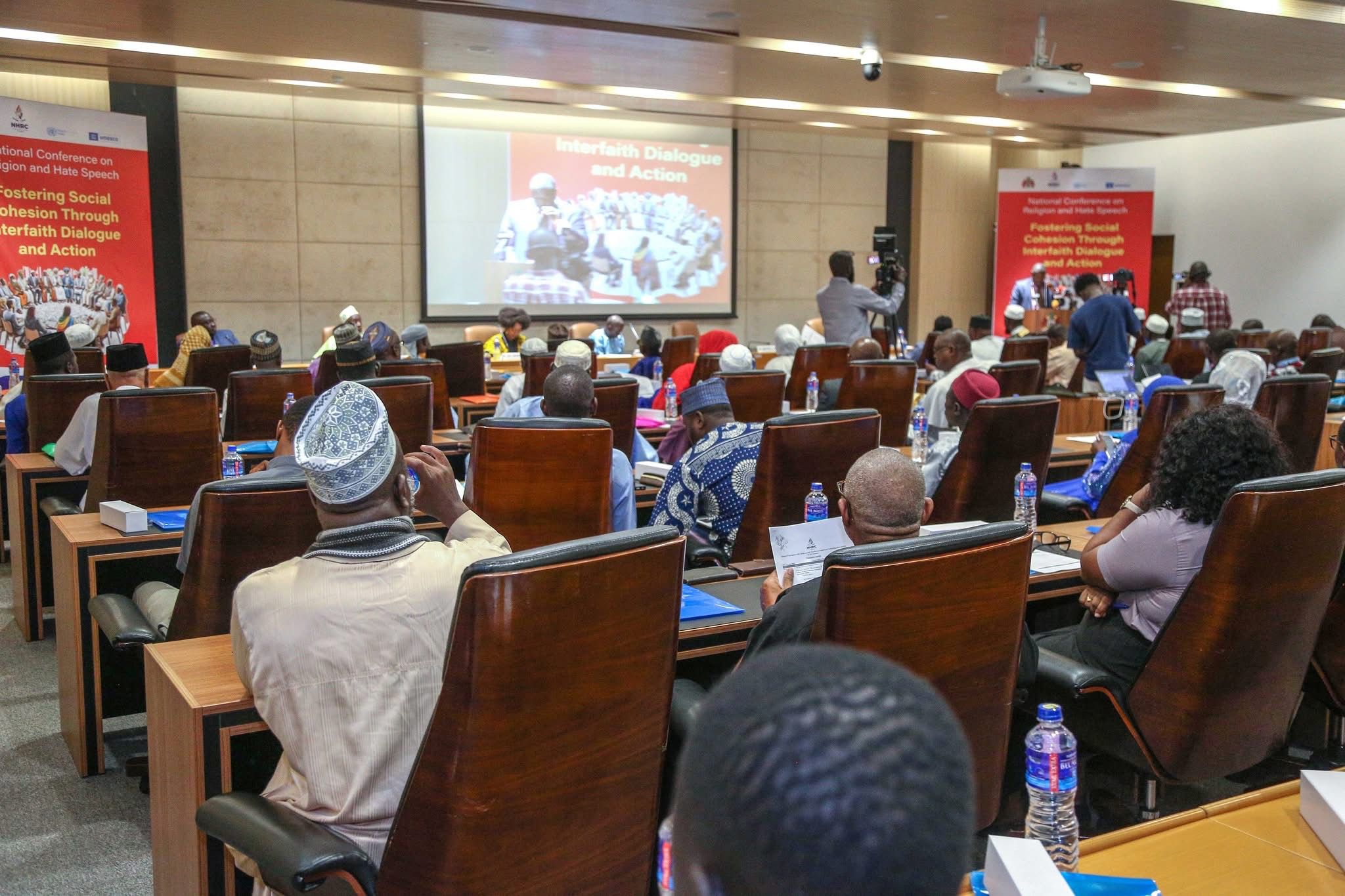
The 2024 study had already identified hate speech as a critical issue, revealing worrying trends and patterns that demand urgent attention. It recommended a multipronged approach, including legislative reforms, enhanced law enforcement measures, public awareness campaigns, improved data collection, inter-institutional cooperation, and capacity building. The follow-up report, presented during the validation event, builds on these findings, identifying evolving patterns and reinforcing the need for swift action.
“When the report is presented today, you will see findings that bring out new manifestations of hate speech,” Johm noted. “We call on all stakeholders, as a matter of urgency, to implement the recommendations from the 2024 report.” The absence of an effective system to monitor hate speech in The Gambia has further compounded the issue, raising significant concerns within the NHRC about its unchecked growth.
Fatou Njie, a representative from the Gambia National Commission for UNESCO, echoed these concerns, reaffirming UNESCO’s commitment to upholding dignity, tolerance, and inclusion. “Hate speech remains one of the most insidious threats to social cohesion and democratic progress,” Njie said. “It undermines trust, fuels division, and disproportionately affects marginalized communities.” She praised the NHRC’s ongoing research for shedding light on areas requiring immediate attention and action, describing the follow-up study as a vital opportunity to assess the impact of previous recommendations and refine strategies to safeguard shared values.
The study’s findings come at a critical time, as The Gambia grapples with the challenges of maintaining unity in a diverse society. Hate speech, particularly when driven by ethnic divisions, threatens to erode trust and destabilize communities. The NHRC’s research highlights the need for a collective response, urging stakeholders to prioritize public awareness and education to foster tolerance and counter divisive rhetoric.
The lack of a robust monitoring system remains a significant barrier to addressing hate speech effectively. Without consistent data collection and analysis, efforts to curb its spread are hampered, leaving marginalized groups particularly vulnerable. The NHRC’s call for inter-institutional cooperation aims to address this gap, encouraging collaboration between government bodies, civil society, and media to create a unified front against hate speech.
The NHRC and its partners are urging immediate action to implement the study’s recommendations. Legislative reforms, public awareness campaigns, and capacity-building initiatives are seen as critical steps toward fostering a more inclusive society.