By: Alieu Ceesay
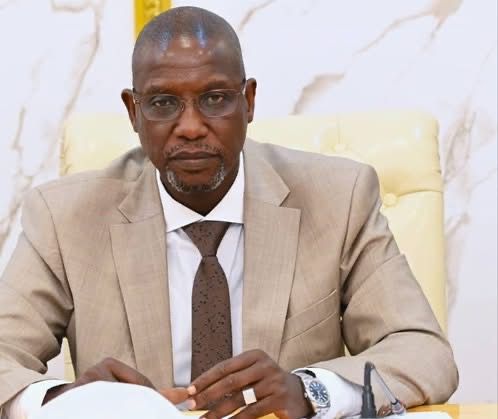
The Minister of Interior, Abdoulie Sanyang, has attributed significant weaknesses in border patrol operations—particularly those aimed at overseeing seasonal cross-border livestock movements known as transhumance—to limited mobility and repeated budget cuts.
Speaking during the National Assembly’s first ordinary session of the 2026 legislative year, the minister responded to concerns raised by lawmakers in a joint report by the committees on Agriculture and Environment regarding transhumance activities in The Gambia.
While joint patrols involving the Gambia Police Force and the Immigration Department continue, the minister highlighted severe operational hurdles. “One of the factors limiting our capacity is mobility and the associated operational cost,” he explained. He noted that annual budget allocations for vehicles typically permit the acquisition of only one or two units, severely restricting patrol coverage.
The minister further disclosed that much of the police fleet relies on alternative funding streams, such as fees from bank escort services. Previously vital peacekeeping contributions have also dwindled, exacerbating the shortfall.
“Any time we increase our budget request for vehicles, it is cut,” he stated bluntly, underscoring persistent funding challenges amid rising demands for border security.
In a positive development, the minister announced the recent graduation of the Immigration Department’s inaugural cohort of specialized border patrol officers. This dedicated team will prioritize monitoring all cross-border movements, with particular emphasis on seasonal pastoral migrations that often span The Gambia and neighboring Senegal.
Recognized entry points benefit from modern record-keeping technology, but informal, unrecognized crossing points remain problematic. Physical patrols help bridge this gap, though resource limitations hinder comprehensive coverage.
The minister pledged to collaborate with the Ministry of Foreign Affairs to engage Senegal and the Economic Community of West African States (ECOWAS) in strengthening harmonized protocols for cross-border pastoralism. Regional cooperation could foster better management of transhumance routes and reduce associated tensions.
He reaffirmed the Gambia Police Force’s resolve to investigate and prosecute transhumance-related offenses, including livestock theft, bush burning, and violent clashes between herders and farmers.
As lawmakers pushed for tougher enforcement measures, the minister emphasized readiness to assist the Environment and Agriculture ministries—contingent on sufficient resources.
The ongoing debate is anticipated to shape future policy, as the government advances toward a comprehensive national framework for transhumance management. Effective implementation will require addressing longstanding funding shortfalls to bolster border security and support peaceful pastoral mobility in the region.