By Fatou Dahaba
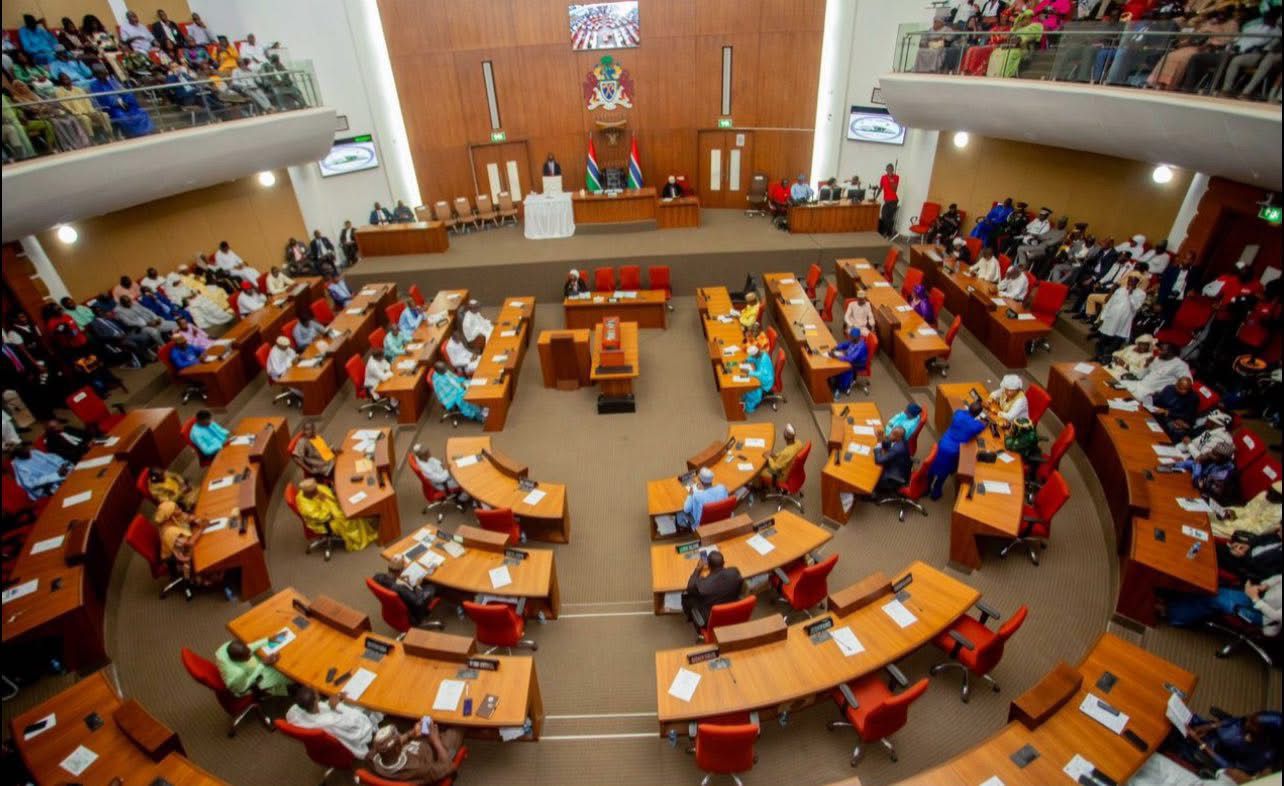
The National Assembly has passed the 2026 Appropriation Bill, authorizing a total government expenditure of GMD 43.49 billion for the fiscal year beginning January 1, 2026. The landmark approval includes a substantial allocation of GMD 737 million to the Office of the President, positioning it among the government’s most heavily funded entities.
The bill, officially titled “An Act to provide for the services of the Government of The Gambia for the period 1st January 2026 to 31st December 2026,” concludes a rigorous six-week review process. This involved bilateral meetings with ministers, committee deliberations, and extended debates on the Assembly floor.
Compared to the 2025 budget of GMD 37.85 billion, the 2026 figure represents a notable increase, aimed at boosting investments in critical sectors. Key boosts include a 115% rise for the Independent Electoral Commission, 87% for the Ministry of Agriculture, 42% for Higher Education, and 22% for Pensions and Gratuities.
Debates highlighted scrutiny of the Office of the President’s GMD allocation of 737 million, which funds administrative services, State House operations, and policy coordination. Lawmakers emphasized demands for greater accountability, efficient spending, and transparency in executive branches.
On the revenue front, domestic collections from tax and non-tax sources are projected to climb from GMD 29 billion to GMD 32 billion, bolstered by improved revenues from the Ministries of Interior, Health, Fisheries, and Water Resources. Persistent fiscal deficits, however, continue to rely on external aid and domestic borrowing.
Finance and Economic Affairs Minister Seedy Keita initially presented the 2026 Revenue and Expenditure Estimates on October 31, followed by the formal bill on December 5, in line with constitutional and standing order requirements.
With passage secured, the government can now advance its 2026 agenda, while facing public calls for better service delivery, fiscal prudence, and robust oversight—particularly regarding high-profile allocations such as the presidency.