By Fatou Dahaba
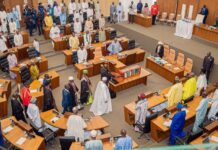
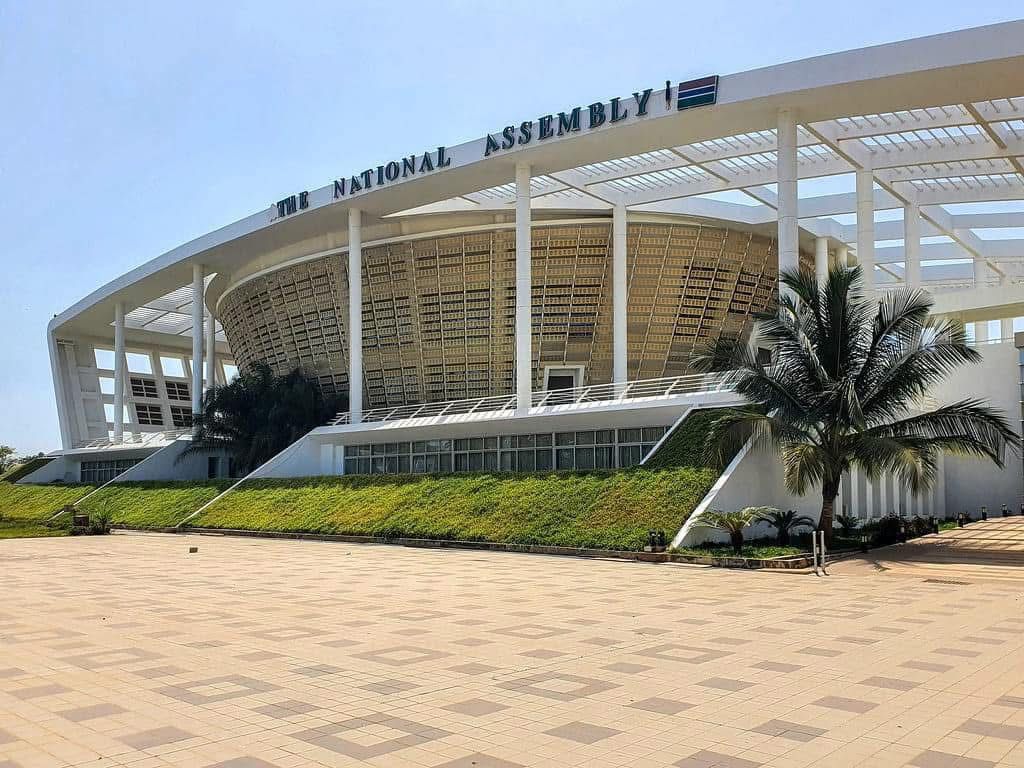
The National Assembly of The Gambia adjourned sine die (indefinitely) on Monday, September 29, without holding its customary adjournment debate, triggering sharp criticism from opposition members and exposing deep legislative divisions. The controversial decision, proposed by nominated member Kebba Lang Fofana under Standing Order clauses 54 (b) and (c), led to a heated vote, with 20 members supporting the motion to adjourn without debate and 13 opposing, with no abstentions.
The adjournment debate, mandated by Standing Order 13, typically allows members to address pressing national issues, enabling the Vice President and Ministers to respond. The absence of this debate marks only the second time in the sixth Legislature that the session has concluded without this critical discussion, denying members the chance to raise concerns on behalf of their constituents.
Frustrations boiled over as Lamin Ceesay, the member for Kiang West, stormed out of the chamber in protest, visibly angered by the majority caucus’s decision. Opposition members accused the majority of deliberately avoiding debate on critical issues, including alleged police brutality linked to the death of Omar Badjie and the controversial removal of the Auditor General. “This is a disappointing act that stifles discussion on matters affecting our people,” one opposition member remarked.
The decision has raised concerns about transparency and accountability in the National Assembly. Critics argue that bypassing the adjournment debate prevents lawmakers from addressing urgent national challenges, leaving key issues unresolved. “The majority caucus is running away from accountability,” another opposition member stated, highlighting the growing tension between the ruling and opposition factions.
Supporters of the motion, however, defended the adjournment, citing the need for procedural efficiency. Yet, the lack of debate has fueled public discontent, with many questioning the Assembly’s commitment to addressing constituent concerns.
As the sixth Legislature concludes its session, the absence of the adjournment debate has cast a shadow over its proceedings, raising questions about democratic discourse in The Gambia. With no clear timeline for the next session, the unresolved issues—ranging from governance to public safety—may linger, further deepening public frustration with the legislative process.
The National Assembly’s abrupt closure has left many wondering whether the voices of the people will be adequately represented in the absence of this critical platform for dialogue.