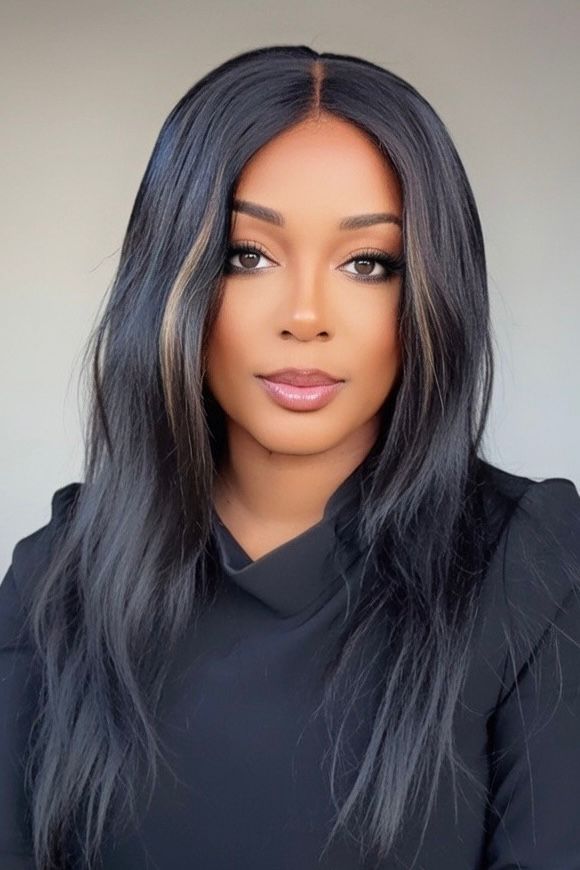
Written By: Dr. Mimi Fatou Ceesay, Journalist/ Psychologist
Email: Askdrmimi2024@gmail.com
The wounded African male child is not born broken. He is shaped, slowly, repeatedly by silence, expectation, and survival.
From an early age, he is taught that strength is endurance without tears, that manhood is proven through restraint, and that vulnerability is a liability he cannot afford. His pain is rarely named; instead, it is disciplined, spiritualized, or dismissed. He learns to swallow grief before he learns to articulate it.
In many African societies, the boy becomes a carrier of legacy long before he understands who he is. He is expected to be strong for the family, dependable for the community, and resilient in the face of historical and economic hardship. Yet little attention is given to the emotional cost of carrying such weight without guidance or protection.
The wound often begins in subtle ways: the absence of emotional safety, harsh correction disguised as discipline, love made conditional upon performance. Over time, these experiences are reinforced by schools, religious structures, and social systems that reward emotional silence and punish vulnerability. What begins as a coping mechanism hardens into armor. While protective, it is also isolating.
As men, many African boys grow up disconnected from their inner world. Their Unacknowledged pain does not disappear; it reemerges as anger, emotional unavailability, control, or self-destructive behavior. Relationships suffer, not because these men lack love, but because they were never taught how to access it safely. This is why healing is not a luxury but a responsibility.
Healing requires self-awareness: the courage to look inward and name what was lost, what was feared, and what was never given. Without self-awareness, pain is unconsciously projected onto partners, children, and communities. You see, awareness interrupts cycles. It allows a man to distinguish between who he has to become to survive and who he truly is.
Healing also demands vulnerability, a radical act in cultures that equate masculinity with emotional invincibility. Vulnerability is not weakness; it is truth without armor. It is the willingness to say, I was hurt, without collapsing into shame or blame. Vulnerability opens the door to connection, intimacy, and emotional literacy, the very tools required for healthy manhood.
Healing does not mean excusing harmful behavior by pointing only to past wounds. Accountability is the bridge between compassion and responsibility. The African man may not be responsible for the pain inflicted upon him as a child. Still, he is responsible for how that pain shapes his actions as an adult. Accountability restores agency. It transforms the wounded boy into a conscious man.
As I write in (The Wounded Warrior Energy):
“The African boy child learns to fight long before he learns to heal. His greatest battle is not against the world, but against the tenderness he was taught to fear. Healing begins the moment he takes responsibility for his inner self.”
The wounded African male child is not the one who denies his scars, but the one who learns from them. Healing redefines strength, not as a domination or emotional suppression, but as integrity, presence, and self-mastery. It allows the wounded African male child to lead without control, love without fear, and protect without violence.
The healing of the African male child is not only personal but also collective. When men heal, families stabilize. When fathers become emotionally present, sons learn safety, and daughters learn trust. Communities shift. Cycles break.
The liberation of African men begins with the courage to return to the child within, not to remain there, but to finally give him what he needed all along: safety, understanding, and truth.
Only then does the warrior lay down his internal weapons and rise as a whole.