After seeing the FIFA rankings, my hopes for The Gambia were cautious at best. Still, football is never just numbers—it’s passion, pride, and the belief that on the day, anything is possible. Like every Gambian, I wear my heart on my sleeve when our national teams play. This time, the Queen Scorpions carried our dreams of reaching a first-ever WAFCON. Kenya, meanwhile, was chasing a return after their 2016 appearance.
Who wanted it more?
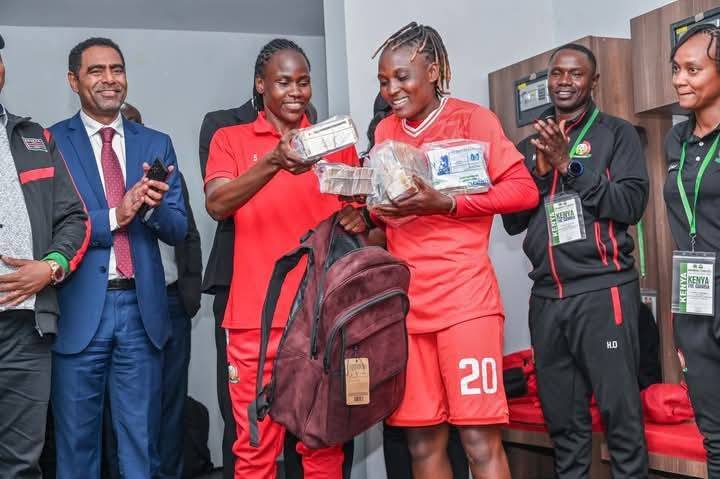
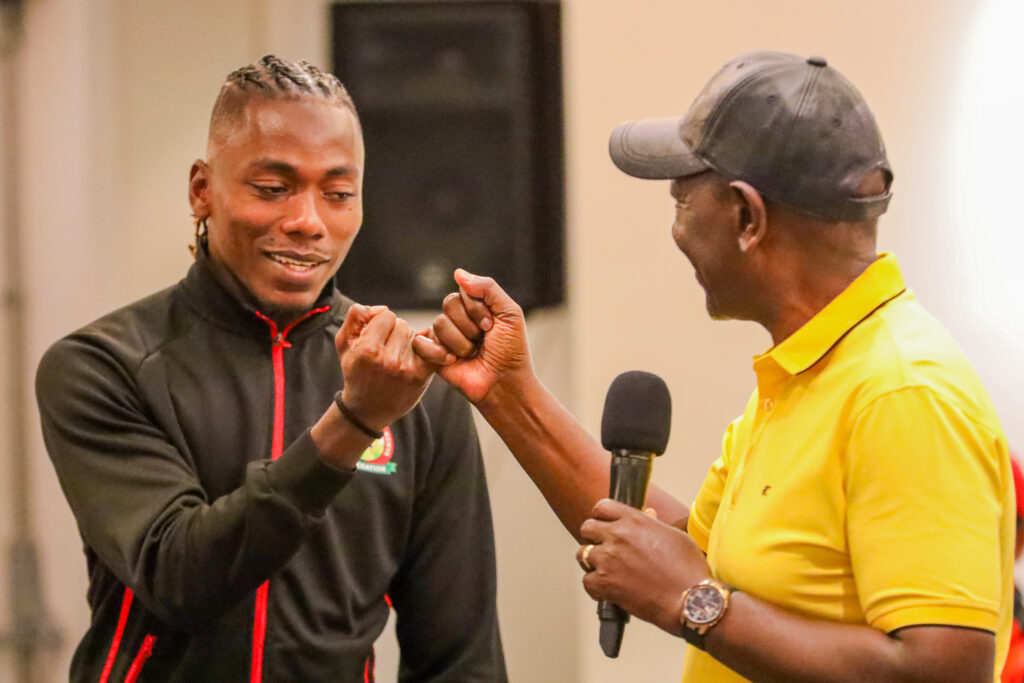
Kenya’s President William Ruto called on his people to fill Nyayo Stadium. He spoke directly with the Harambee Starlets, encouraging them before their decisive qualifier. In sport, money isn’t always the greatest motivator—players often play for pride, family, and the little girls who dream of wearing the national colors. But when recognition and tangible support come from the very top, it makes a difference.
President Ruto has been visibly present in Kenyan sports—from CHAN to the Harambee Stars to athletics. Millions have been invested across disciplines. The CHAN team received bonuses of up to one million shillings per win, and athletes representing Kenya in the World Athletics Championships in Tokyo got financial rewards and even new homes. Whether the funds come directly from the state or Ruto’s own pocket is debated, but one thing is clear: his administration understands the power of national morale through sport.
PHOTO/Timothy Olobulu
Across Africa, we’ve seen teams boycott matches or camps over unpaid bonuses—and the women’s game often suffers most. Cameroon, Ghana, and Nigeria—all have faced such challenges. Yet, in contrast, the Starlets left Nairobi for Thies with full support behind them: 10 million shillings already provided, and more promised depending on results.
And that brings us home.
The two presidents who sat down are President Adama Barrow and GFF President Lamin Kaba Bajo. Their silence is deafening. President Barrow has contributed little or nothing toward women’s football. His two wives, often celebrated as “mothers of the nation,” could be leading this cause—yet we see no advocacy, no visibility, and no action.
We love to celebrate when glory comes, but we rarely invest in making it possible. The Queen Scorpions needed visible backing in these crucial fixtures. A high-level delegation in Nairobi, or even the symbolic presence of the GFF president, could have sent a message that The Gambia meant business. Leadership presence matters—it boosts morale, and it signals intent. Instead, the team was left to fight alone.
Let’s be honest: it’s hard to claim that Kaba Bajo supports women’s football when neither he nor Jainaba Cham showed up for the match. Even with the government allocating 10 million dalasis for every window for the Scorpions, it would not have been too much to charter a flight for the Queen Scorpions. That would have shown equity—not as a favor, but as a right. Equity in sport is not a plea. It’s a must.
President Ruto stood up—and in doing so, elevated his players, his people, and his country’s sporting spirit. Meanwhile, Presidents Barrow and Bajo sat down, and the silence from their seats spoke louder than any chant from the stands.
Women’s football in our country has made some strides over the years, but it hasn’t truly evolved.
Despite the enthusiasm of players and the growing interest from fans, there remains a lack of structure, planning, and accountability. It is high time we define a clear purpose and direction for the women’s game. Passion alone cannot sustain progress.
It’s disheartening that our national team continues to face basic challenges that should have been addressed long ago. How can we expect consistent growth when even our head coach does not possess the required license to lead at the highest level?
Leadership at this level demands both technical expertise and strategic vision—not just familiarity with the game.
Meanwhile, our school football system is doing well. Across the country, we see young and energetic girls developing their skills, full of hope and ambition.
The question is, what systems are in place to ensure their transition from school football to professional and national levels? Without a clear development pathway, their potential risks being wasted.
One positive note is that the national team had enough time to prepare for the current campaign. The players have been training since August, which is commendable. However, preparation is not only about time or money; it is also about fairness, inclusion, and meritocracy.
Take, for example, the recent exclusion of Mbassey Darboe. She scored and assisted against Niger—clear evidence of her contribution on the field—yet was dropped from the team. Reports suggest that her omission was due to personal differences with the coach, Bom Sowe. This raises serious questions about transparency and professionalism in team selection. When personal issues override performance, it undermines the spirit of the game and the trust of both players and fans.
But this issue goes beyond one player. It speaks to a broader problem—how we approach women’s football as a whole. Are we genuinely committed to building a competitive national team, or are we merely going through the motions every qualifying round?
If the team fails to qualify for the WAFCON, the same players will return to their clubs—where they often train on poor pitches, receive little recognition, and struggle for resources. Many of these players play for the love of the game, not for the rewards, because the system itself offers very little in return. The playing field is not level, and that makes growth even more difficult.
To change this, we need a holistic plan—one that prioritizes development, education, and accountability. Coaching standards must be raised, talent identification streamlined, and player welfare protected. More importantly, the leadership of women’s football must be guided by vision and integrity, not personal preference.
Women’s football in The Gambia is full of promise. The talent is there. The passion is there. What’s missing is structure, fairness, and leadership. Until we fix that, we will continue to celebrate small wins while missing the bigger picture.
The time for excuses is over. We must build for the future—with purpose, with honesty, and with a plan that allows women’s football to truly evolve.
When presidents stand up, nations rise. When they sit down, dreams fall silent.