By: Kebba Ansu Manneh
As the holy month of Ramadan approaches, residents in several rural Gambian communities are expressing mounting anger and disappointment over prolonged delays in receiving electricity from the national grid, even though many households have already been connected with wiring, meters, and infrastructure under the $66 million ECOWAS Regional Electricity Access Project (ECOREAP).
The project, funded by a World Bank grant through the Economic Community of West African States (ECOWAS), aims to extend reliable electricity to at least 298 communities across rural and urban areas in The Gambia. Launched in 2024, with implementation ongoing, ECOREAP is part of broader national efforts to boost energy access, complementing initiatives such as the Gambia Electricity Restoration and Modernisation Project (GERMP) and the Gambia Electricity Access Project (GEAP). The government has set a target of universal electricity access by late 2026.
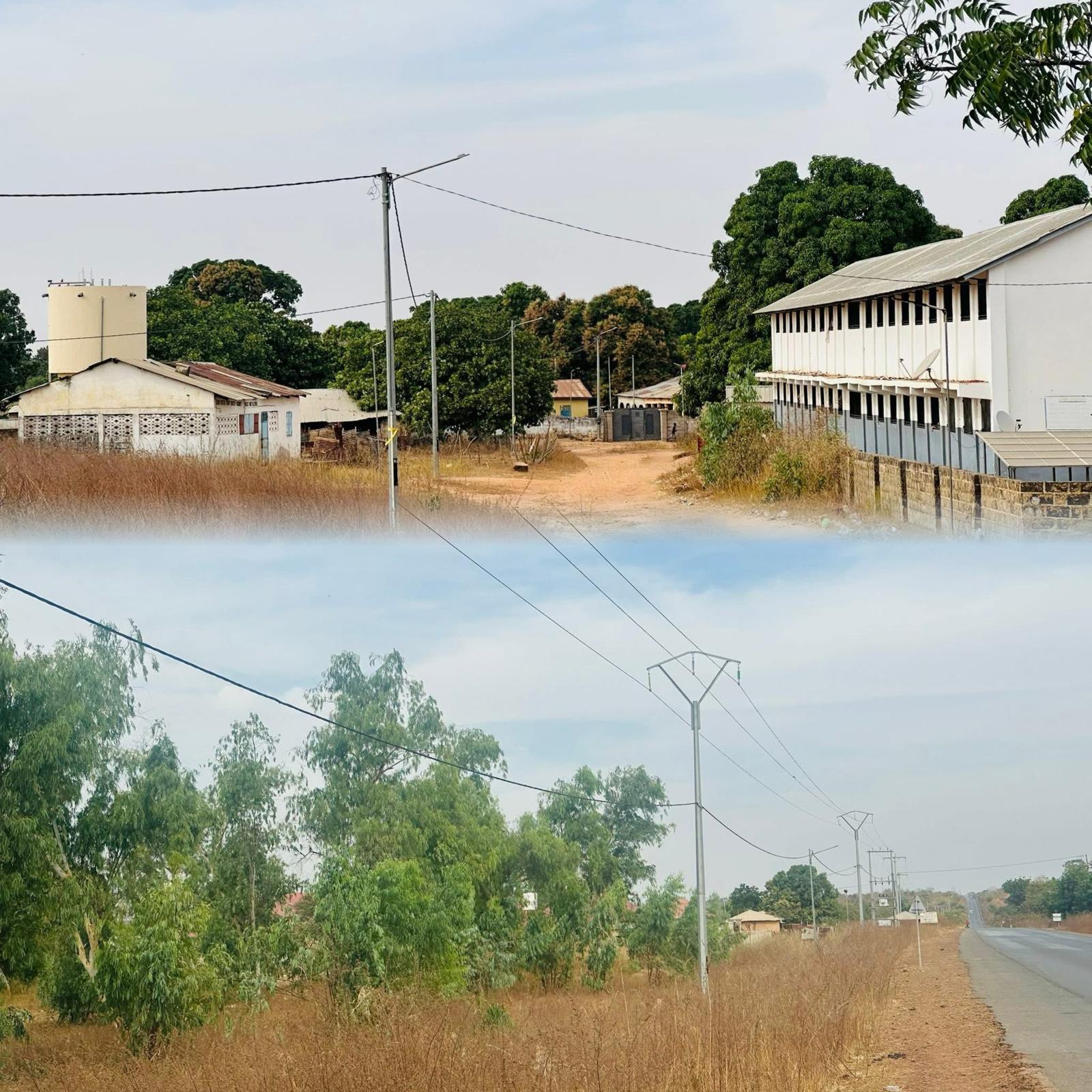
However, scores of residents in areas such as Dankunku, Katamina, Jarra Darsilami, Sukuta, Wellingaraba, and Bureng in the Niamina and Jarra regions report that, despite being hooked up to the grid—complete with household lines and meters—power has not been switched on. Community members say NAWEC (National Water and Electricity Company) officials initially indicated connections would be energized by the end of December 2025, but two months later, no supply has materialized, and no clear explanations have been provided.
Nuha Saidykhan, a prominent local advocate from Dankunku, told The Alkamba Times that the situation is making life increasingly difficult. “We were told by NAWEC officials that electricity would be available by the end of December 2025,” he said. “But now it’s been two months, and we haven’t been connected. No reasons have been given.” He added that recent rumors suggest power will only flow after President Adama Barrow inaugurates the ECOREAP project, leaving households struggling without light as Ramadan nears.
Similar complaints echo across the affected areas. Lamin Cham from Jarra Sukuta highlighted the added burden during the holy month, when families traditionally increase spending on items like ice cubes for preservation amid higher energy needs. “Many families spend more than D100 just to buy four ice cubes,” Cham noted, calling the delay unfair and demanding better explanations from NAWEC. “It’s not fair to hold back our supply because of a proposed inauguration schedule.”
Residents urge local authorities, including National Assembly Member Honourable Samba Jallow, to press NAWEC for a resolution. They point out inconsistencies: while some communities under the same or related projects have begun receiving power, others remain in the dark despite identical preparations.
In response, Buba Badgie, NAWEC’s Communication Officer, firmly rejected claims linking the delays to the president’s inauguration schedule. “The inauguration of the project has nothing to do with President Barrow’s proposed schedule,” Badgie stated. “It is solely due to laid-down plans for connecting communities gradually.” He also denied that NAWEC ever promised energization by December 2025, describing such assertions as based on “assumptions and speculations” rather than official communications.
Badgie assured that all connected communities will receive electricity soon. “Senior officials of NAWEC and technicians are working around the clock to ensure all are connected without further delays,” he said.
The controversy arises amid the government’s push for expanded rural electrification. Recent announcements indicate that President Barrow is scheduled to inaugurate multiple electricity access projects benefiting over 700 communities across several districts, starting on February 7, 2026, under GERMP, GEAP, and ECOREAP. These events underscore commitments to socio-economic development and improved livelihoods in underserved areas.
For rural Gambians, however, the wait continues. With Ramadan expected soon, the power shortage not only hampers daily life but also intensifies economic pressures in communities already grappling with high living costs. Affected residents call for transparency, swift action, and accountability to turn long-awaited infrastructure into tangible benefits.
As The Gambia advances toward its universal access goal, the voices from Dankunku, Jarra Sukuta, and beyond highlight the gap between policy promises and on-the-ground realities in the drive for reliable rural electricity.