By: Fatou Dahaba
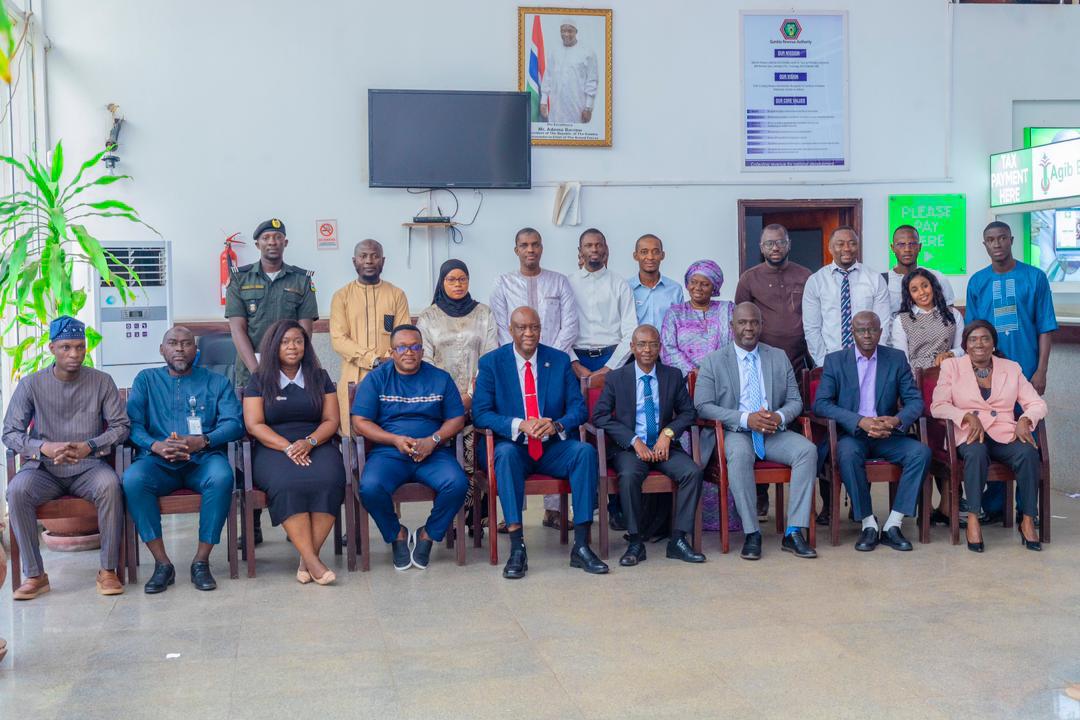
A high-level delegation from the National Revenue Authority (NRA) of Sierra Leone has begun a week-long study tour at the Gambia Revenue Authority (GRA) to understudy the country’s widely acclaimed tax administration reforms, with particular focus on the ongoing SICPA digital transformation project.
The visit, described by both sides as a benchmarking and knowledge-sharing exercise, centres on GRA’s three-phase SICPA initiative covering digital tax stamps, fuel marking, and revenue assurance, which is scheduled to roll out fully in the first quarter of 2026.
Speaking during the opening ceremony at GRA headquarters in Banjul, Commissioner General Yankuba Darboe welcomed the visitors and shared insights into the authority’s digital journey that has turned the institution into a reference point across Africa.
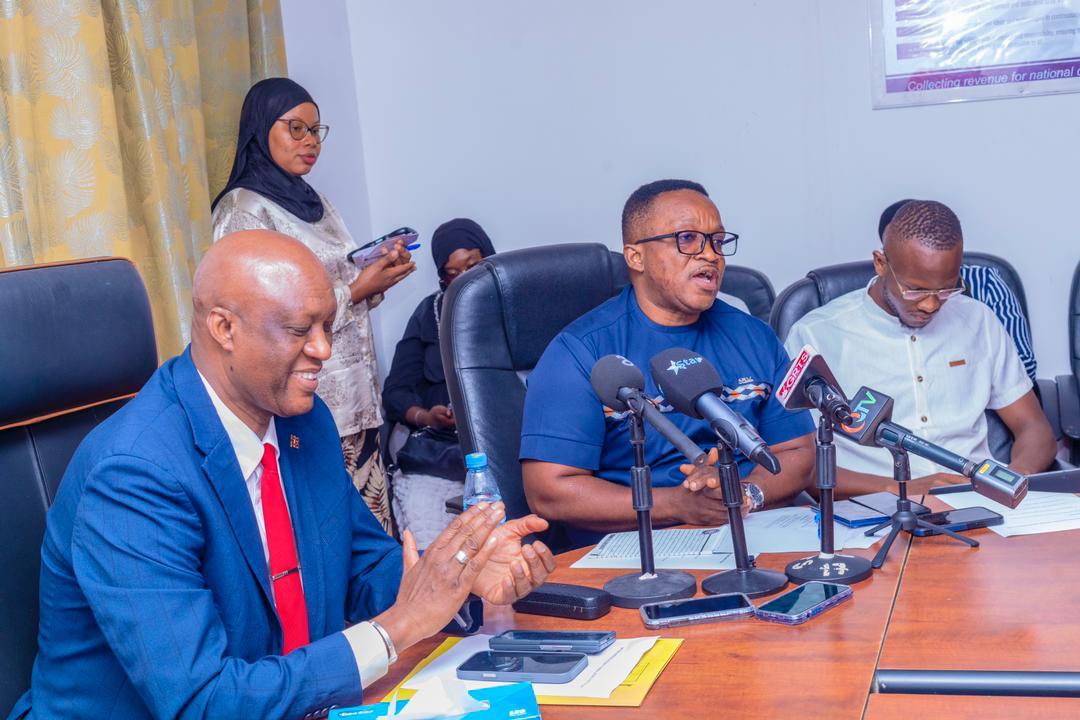
“Digitalisation is no longer an option in the 21st century; it is a necessity,” Mr Darboe told the delegation. He highlighted groundbreaking reforms, including the introduction of digital tax stamps, the Single Window platform, and enhanced revenue assurance systems that have collectively streamlined tax collection, boosted compliance, drastically reduced revenue leakage, and curbed the smuggling of excisable goods.
Mr Darboe revealed that several African countries have already undertaken similar study tours to GRA, adding that Nigeria is among the nations planning visits in the near future.
The Commissioner General stressed that the successful implementation of such ambitious projects requires three key ingredients: unwavering political will and government support, continuous stakeholder engagement, and a solid legal framework tailored to each initiative.
“Resistance to change is normal because people fear the unknown,” he noted. “But once you have strong backing from the highest levels of government and you keep explaining the benefits to all stakeholders, the journey becomes smoother.”
He explained that GRA enforcement teams now routinely inspect businesses to ensure all excisable products – from cigarettes to soft drinks – carry authentic digital tax stamps. Since the system was introduced, smuggling has dropped sharply, compliant businesses have gained a larger market share, and government revenue from excise duties has risen significantly.

Kemo Sonko, GRA’s SICPA Project Manager, assured the Sierra Leonean team of the authority’s full cooperation, describing the exchange of best practices between revenue bodies as standard international practice. He emphasised that staff commitment at all levels remains critical to the success of any reform programme.
Leading the Sierra Leone delegation, Assistant Commissioner Moo-usa Salia Konneh said the visit forms part of a deliberate effort to learn from Gambia’s success story.
Mr Konneh disclosed that Sierra Leone introduced its own tax stamp system earlier and has already recorded improvements in excise revenue collection and importer accountability. However, he admitted that challenges persist, especially in enforcement and preventing the abuse of fuel-marking concessions by some companies.
“We are here to share our experiences and, more importantly, to take home practical lessons from Gambia’s model, particularly in enforcement mechanisms and fuel marking,” he stated.
The week-long programme includes field visits to enforcement checkpoints, demonstrations of the digital tax stamp verification system, and detailed technical sessions on the upcoming fuel marking and revenue assurance phases.
The study tour once again underscores The Gambia’s emergence as a regional leader in modern tax administration and digital revenue collection on the continent.