By Bakary Mankajang
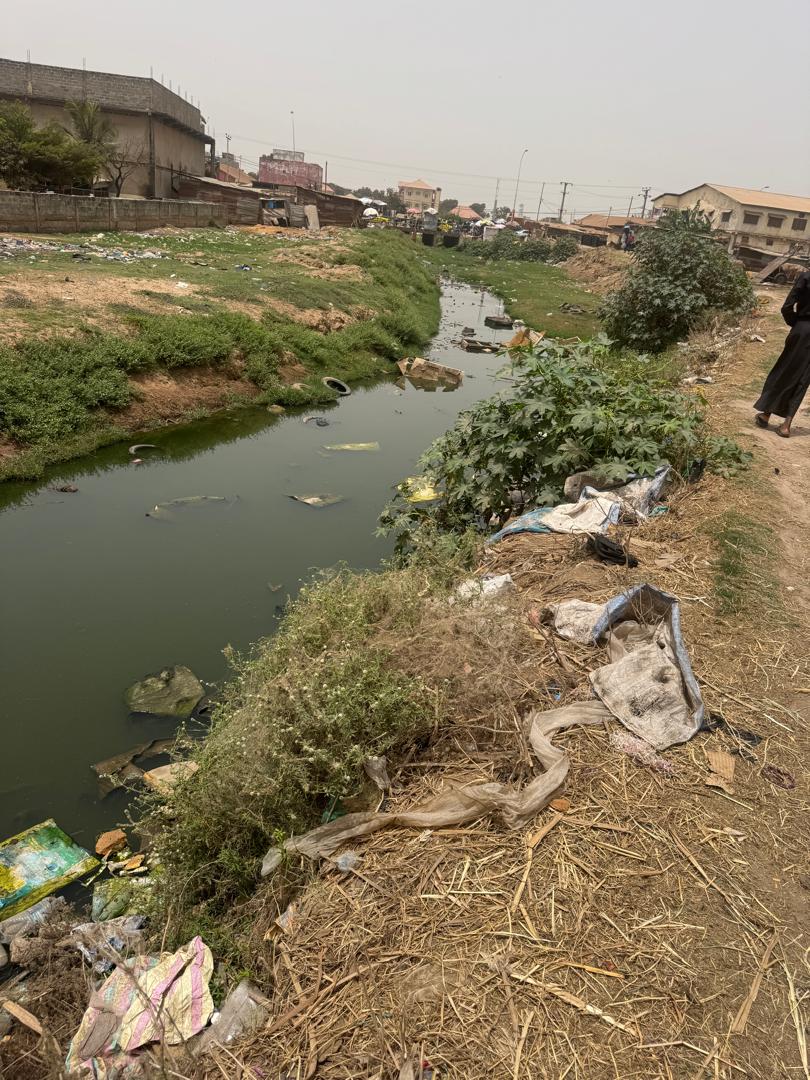
Bakoteh, a vibrant business hub, has become a festering dumping ground, casting a shadow over the community. Residents are grappling with noxious odors and health hazards from heaps of waste, while frustration mounts over the Kanifing Municipal Council’s (KMC) failure to address the persistent issue of illegal dumping behind the Bakoteh Police Station.
The stream, now choked with refuse, has become a source of distress for locals. Mariema Sirreh Bah, a food vendor operating near the unauthorized dump site, expressed her dilemma. “I have no other place to sell,” she said. “Every morning, I juggle expenses for fish, rent, and my children’s allowances. If I don’t sell here, what will I do? I know it’s not hygienic, but I have no choice.” Bah urged the KMC to take decisive action to curb the dumping, highlighting the dire need for alternative solutions for vendors like herself.
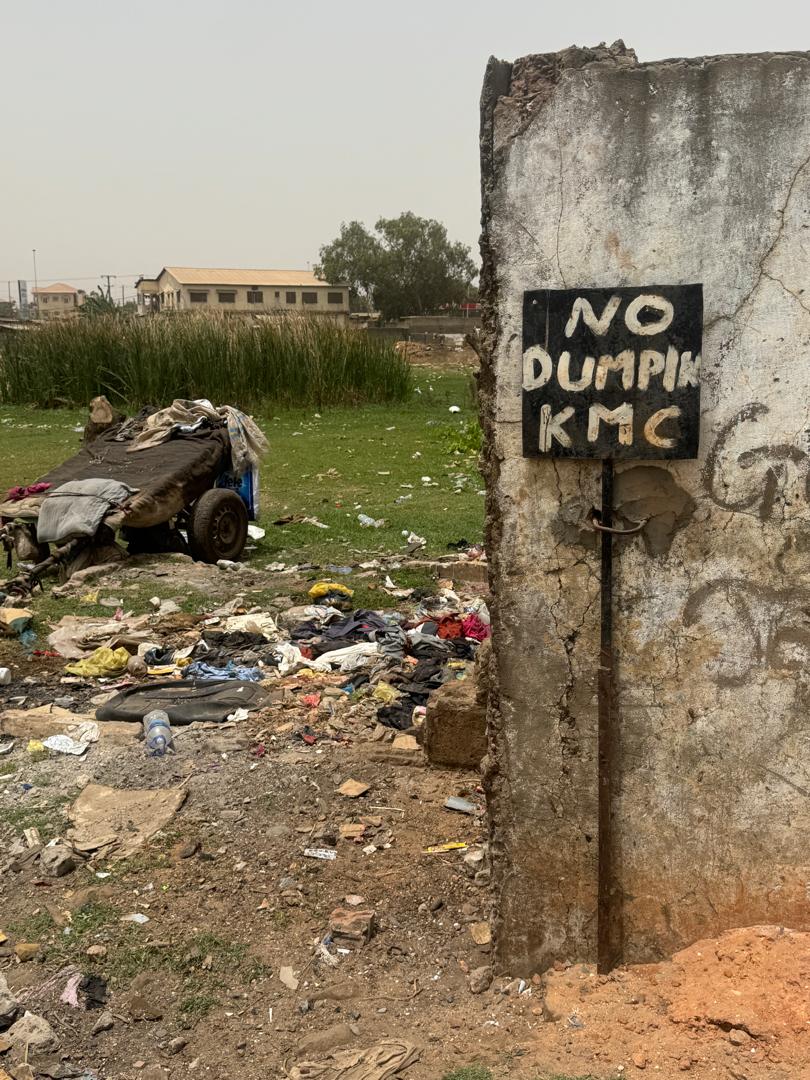
Omar Sano, a longtime resident living near the site, painted a grim picture of the situation. What was once a vehicle garage has transformed into a trash heap where vendors dispose of waste, often burning it at night. “The smoke drifts into our homes, especially affecting children with asthma,” Sano said. “Some have had to be rushed to Kanifing General Hospital.” He called on the KMC to provide designated waste management spaces and clear the trash promptly.
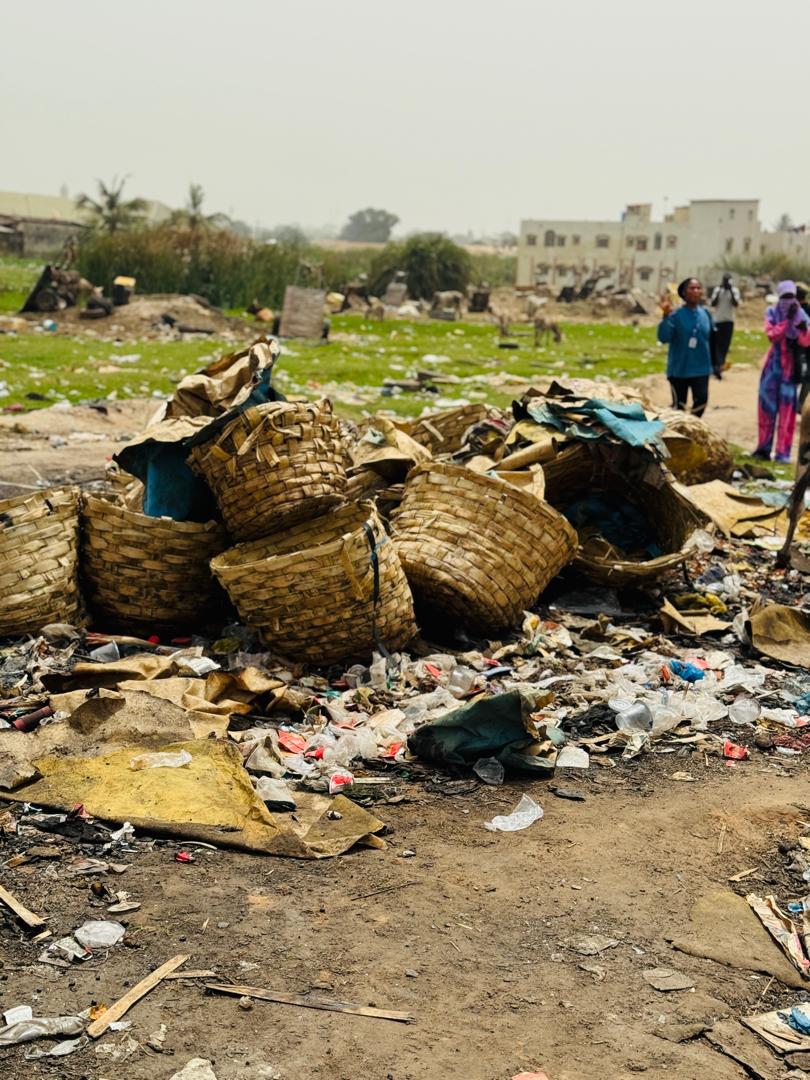
The rainy season exacerbates the problem, with stagnant water and sewage causing flooding in nearby homes. “When it rains heavily, the trash blocks the waterways,” Sano explained. “It’s a mess, and the council hasn’t visited in ages.” His frustration echoes a broader sentiment among residents, who feel neglected by local authorities.
Council Acknowledges Issue but Faces Challenges
Councilor Lamin Jammeh of the KMC acknowledged the severity of the unauthorized dumping, admitting it has made life difficult for residents. He noted that the council conducted a cleanup initiative last year to clear the stream and site. “This is a deliberate violation of council regulations,” Jammeh said, pointing to the persistent disregard for waste management laws.
However, Jammeh cited significant obstacles in enforcement. With only seven inspectors tasked with overseeing waste management across the Kanifing municipality, the council struggles to effectively monitor all areas. “Each inspector is assigned to a specific ward, making it hard to cover everything,” he explained. He also highlighted a deeper issue: lax enforcement due to leniency and favoritism. “We need to eliminate nepotism and enforce the laws if we want progress,” Jammeh emphasized.
The KMC’s 2020 by-laws, specifically Sections 9a and 9b, explicitly prohibit unauthorized dumping and burning of waste in unapproved areas. Violators face penalties under Section 12, yet illegal dumping persists, underscoring the gap between regulation and enforcement.
Environmental and Health Risks Escalate
Environmentalists have sounded the alarm over the ecological and health consequences of the ongoing dumping. Muhammed Hydara, an environmental advocate, warned that the situation violates environmental laws and poses serious threats to public health and safety. “This undermines efforts to improve waste management in the Greater Banjul Area,” he said.
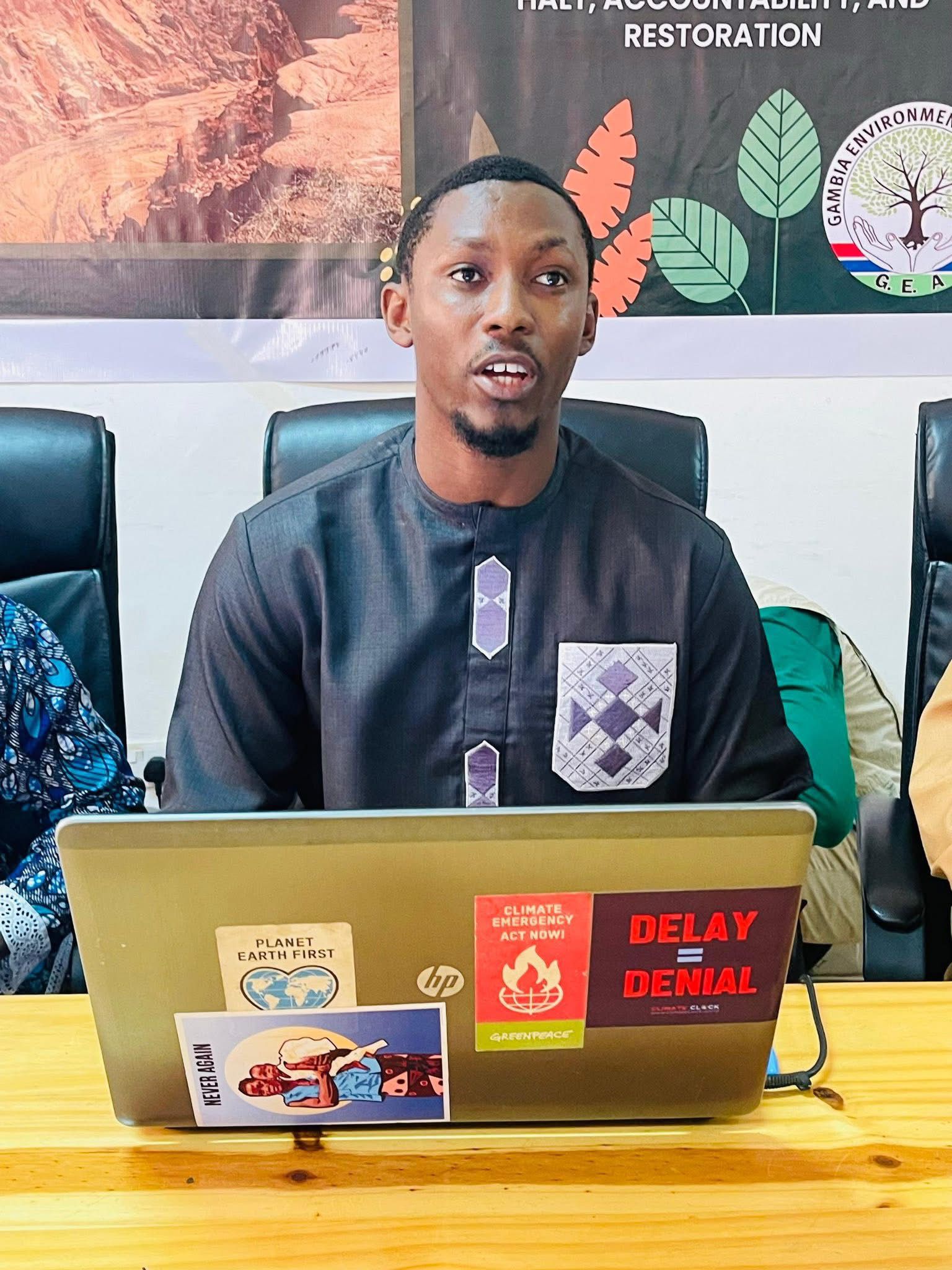
Hydara explained that contaminants from the dump site are seeping into the soil and groundwater, endangering the water quality in nearby bodies, such as the Kotu Stream. The open burning of waste releases toxic pollutants, contributing to respiratory illnesses, skin infections, and chronic health issues among residents. “The decomposition process generates methane and toxic gases, worsening climate change and raising the risk of explosions,” he added.
Moreover, illegal dump sites harbor populations of disease-carrying insects and rodents, thereby increasing the risk of vector-borne diseases such as malaria and dengue fever. “This is a public health crisis waiting to happen,” Hydara stressed, urging authorities to act swiftly.
Proposed Solutions for a Cleaner Future
Addressing the crisis requires a multifaceted approach. Proposed measures include enhancing site security, installing waste containment infrastructure, and expanding waste collection services to reduce reliance on unauthorized dumping. Community engagement is also crucial, with calls for educational campaigns to raise awareness about the environmental and health risks associated with illegal dumping.
Enforcing existing regulations more stringently and investing in recycling opportunities could further alleviate the problem. “Collaboration between government agencies, community members, and stakeholders is essential,” Hydara noted. “By working together, we can create a cleaner, safer, and more sustainable future.”
The unauthorized dumping at Bakoteh’s stream is more than an eyesore—it’s a pressing environmental and public health issue that demands immediate action. Residents like Bah and Sano, caught between economic survival and hazardous living conditions, deserve better. The KMC’s acknowledgment of the problem is a start, but without robust enforcement and infrastructure improvements, the stream will continue to be a blight on the community.
As The Gambia strives for sustainable development, tackling illegal dumping in Bakoteh is a critical step toward safeguarding public health, protecting the environment, and ensuring a brighter future for all.