By: Fatou Dahaba
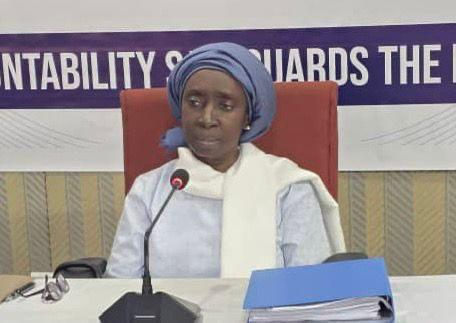
Former Lead Counsel of the Janneh Commission, Amie Bensouda, locked horns with the National Assembly Special Select Committee on Thursday, demanding explicit details on whether she is under personal investigation during her testimony into the sale and disposal of assets flagged by the landmark commission.
Reappearing before the panel for the third consecutive day, Bensouda scolded the select committee Chairman Hon. Abdoulie Ceesay, seeking guidance on the nature of the questioning. “It sounds very much as if I’m here trying to defend something I’m not aware of,” she stated, insisting on her rights as a witness to have issues presented frankly, transparently, and adequately addressed.
The veteran lawyer protested that counsel’s queries deviated from the committee’s mandate to probe assets identified by the Janneh Commission, which investigated former President Yahya Jammeh’s financial dealings. Instead, she argued, the questions appeared tied to unsubstantiated allegations unrelated to asset disposal.
“You are required to investigate the assets that were identified by the commission. What do I know about it? What is the role I play in it? That’s what I explain,” Bensouda said. “But all these questions—it seems there are accusations or allegations that have been made by witnesses that I’m required to answer, but I don’t know what these allegations are.”
Central to her testimony were potential links to claims by former commission secretary Mamadi Kurang, whose public statements have echoed in media circles. “What is the allegation against me that I’m being called upon to answer to? I know one person in public media and public space has made allegations, and the questions that I’m being asked are very similar,” she pressed. “If this committee is investigating allegations made by Mr. Mamadi Kurang, I should be told so I can come ready to answer those allegations.”
Bensouda expressed growing unease, warning she felt “blindsided.” Multiple witnesses, she noted, had inaccurately portrayed her as heading the investigation team, contradicting the commission’s official report and her engagement letters.
Outlining her defined role, Bensouda explained that she coordinated investigations, supervised investigators, and reviewed evidence in a collaborative environment—not a hierarchical one. She referenced memos to the secretariat and other documents as irrefutable proof of her scope, dismissing contrary witness opinions as unable to override official records.
Invoking Section 119 of the 1997 Constitution, Bensouda emphasized the privileges of witnesses before parliamentary committees and the importance of transparency in raising allegations. She cautioned that personal claims must be clearly documented and within the panel’s asset-focused remit.
The hearing delved into commission operations, investigator roles, and legal oversight, amid Bensouda’s push for procedural fairness. Her stance highlights broader tensions in post-Jammeh accountability efforts, reinforcing scrutiny over asset management while questioning investigative boundaries and authority.