By Fatou Dahaba
For residents of Nema Kunku and the 10 other communities lining the 11.2-kilometer Kotu Stream, the annual rainy season has long been a period of dread rather than renewal. Heavy downpours turn homes into islands, ruin belongings, and disrupt daily life for over 200,000 low-income families vulnerable to perennial flooding.
Kaddyjato Jallow, a mother of three living between Sinchu Baliya and Nema Kunku—one of the most severely affected areas—knows this fear intimately. Her home frequently floods, forcing her family to stay awake through stormy nights.
“We live near a flooding area, which makes life very difficult for us, especially when it rains. Our entire house often gets flooded,” Jallow said. After her previous home collapsed due to flood damage, she and her children were given temporary shelter. “When the rains end, we have to repair what we can and move back.”
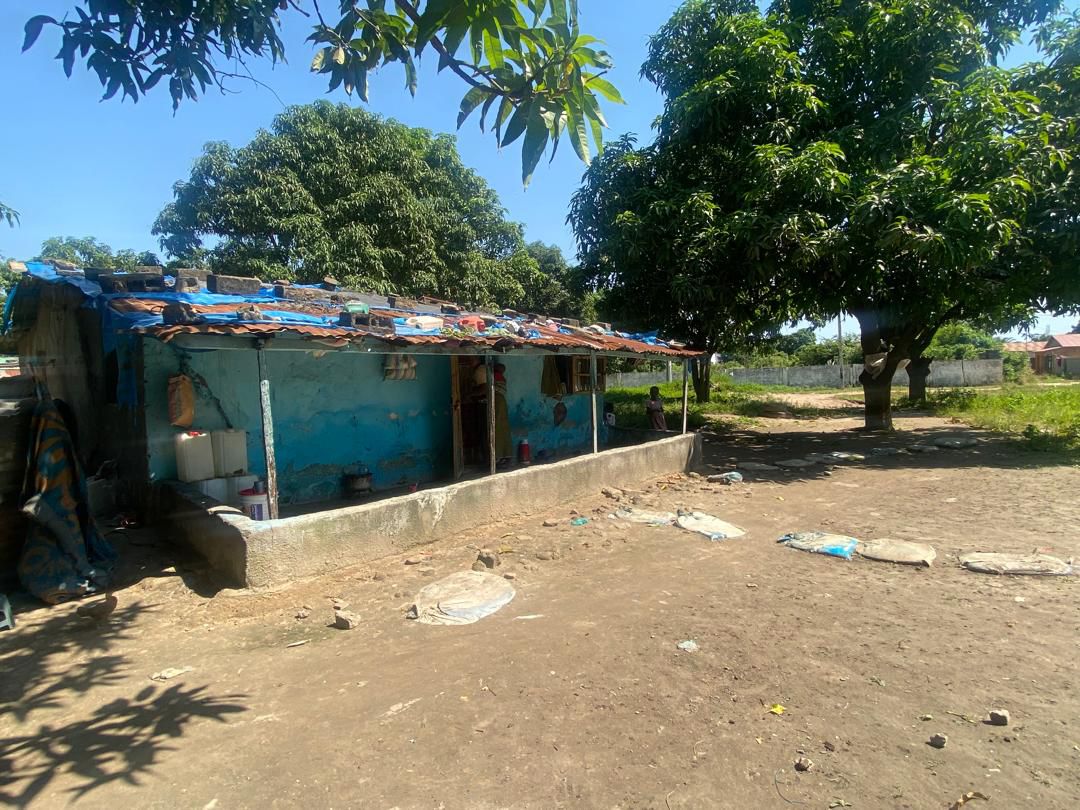
During school terms, Jallow carries her children across swollen waters each morning to safer ground before they walk to class, repeating the treacherous journey in the evening.
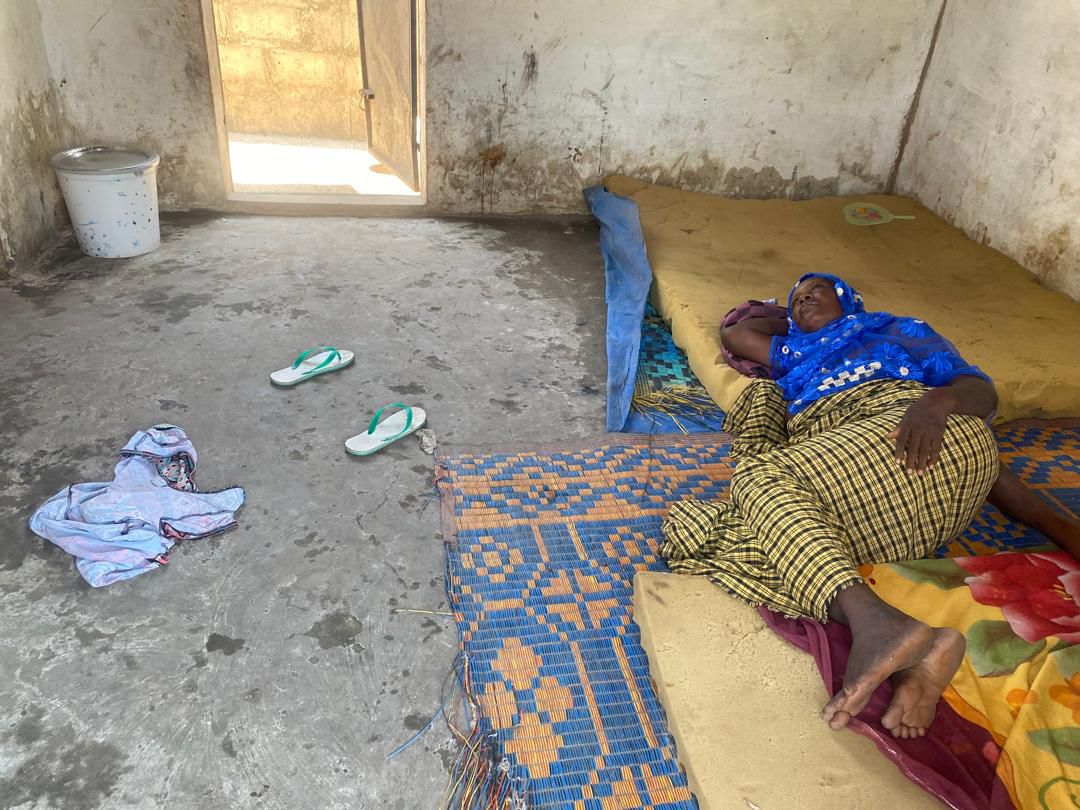
Across the stream, widow Naba Fanneh faces similar hardships. Raising more than ten family members alone since losing her husband over a decade ago, she rents a compound that floods regularly.
“When it rains, water invades our house. The compound fills up, ruining our food and soaking our belongings. We have nowhere to go,” Fanneh explained. Two years ago, flash floods destroyed her home, driving the family to shelter in a community health post. “Whenever heavy rain is forecast, I don’t sleep here with my children. Even rescuers couldn’t reach us through the water.”
These stories are echoed across the densely populated corridor, where human encroachment—illegal structures narrowing the waterway—and poor waste management have exacerbated flooding and pollution. Clogged drains filled with plastics and household refuse turn minor rains into disasters.
Yet hope is emerging through the West Africa Coastal Areas (WACA) Resilience Investment Project, a World Bank-funded initiative launched in The Gambia in 2023 as part of a regional program addressing coastal erosion, flooding, and pollution. Implemented by the Ministry of Environment, Climate Change, and Natural Resources (MECCNAR), the project targets the Kotu Stream as its priority site, aiming to protect the lives, property, and environment of over 200,000 residents.
Abdoulie Sey, WACA’s communication specialist, emphasized the project’s ambitious goals. “We want to ensure that the over 200,000 people living along the stream are protected from flooding and pollution. This will be achieved by restoring and reprofiling the Kotu Stream to improve stormwater flow and building durable infrastructure.”
Key interventions include enlarging or constructing new bridges and culverts, cleaning and reshaping flood plains, and developing accessible green river parks. The project blends “grey” engineering solutions, such as concrete structures, with nature-based approaches to preserve ecological integrity. In 2024, it delivered 34 floodwater pumps to high-risk areas, and feasibility studies and engineering designs are advancing for complete restoration.
Beyond infrastructure, WACA prioritizes community empowerment through awareness campaigns, livelihood programs, and social initiatives targeting women and youth. Recent efforts include school cleanliness drives and youth action groups to promote proper waste management.
Environmentalist Muhammed Hydara stressed the need for broader systemic changes. “Flooding along the Kotu Stream is largely linked to clogged drains from plastics and waste. Communities must own regular clean-ups and discourage illegal dumping,” he said. He called for stronger land-use planning, enforcement of buffer zones, and multi-stakeholder collaboration among planners, councils, government, and partners such as WACA.
“Projects like WACA provide vital data, mapping, and guidance, but long-term success requires protecting rehabilitated areas from misuse and new encroachments,” Hydara added.
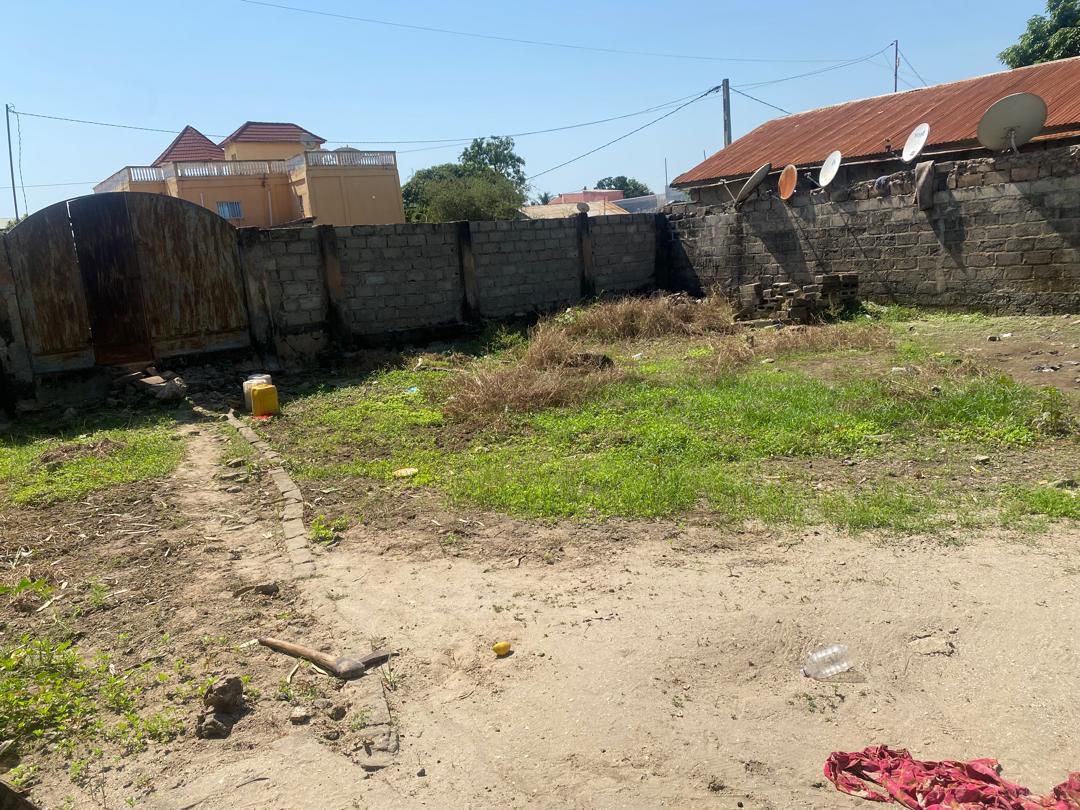
As of late 2025, progress is evident: reduced flooding in some areas from initial clean-ups, increased awareness, and ongoing enforcement against illegal dumping. However, challenges persist, including attitudinal barriers to waste management and the need to relocate residents from buffer zones.
For families like Jallow’s and Fanneh’s, the WACA project represents more than infrastructure—it’s a pathway to dignity and security. By addressing root causes through integrated solutions, it aims to transform the Kotu Stream from a source of peril into a sustainable asset, fostering resilience in one of The Gambia’s most vulnerable urban corridors.