By: Kebba Ansu Manneh
The Sanyang Deep Sea Taskforce (DSTF) has issued a scathing rebuke to the Ministry of Works and Infrastructure (MoWI) and the Gambia Ports Authority (GPA) for excluding the committee from plans for the foundation stone-laying ceremony of the Sanyang Deep Sea Port Project, scheduled for July 5, 2025.
In a strongly worded letter dated June 29, 2025, addressed to the Permanent Secretary of MoWI and copied to Senior Counsel Lamin J. Darboe, GPA Managing Director Ousman Jobarteh, and the Governor of the West Coast Region, the DSTF expressed profound disappointment over what it described as a breach of agreed-upon participatory principles.
The letter, signed by DSTF Chairperson Dr. Sidi Sanyang, criticized the Ministry and GPA for announcing the ceremony—set to be officiated by President Adama Barrow—without consulting the taskforce, which represents the Sanyang community in the project’s steering committee. “It is with great dismay that we, the Task Force of the Sanyang Deep Sea Port Project, learned of a Press Release by the Ministry of Transport, Works & Infrastructure that the official Foundation Stone Laying Ceremony for The Gambia’s Deep Sea Port Project will be conducted… in Sanyang on July 5 2025,” the letter stated. “As the Task Force selected by the Community of Sanyang… it’s an overwhelming surprise and indeed disappointment that the Ministry and GPA can take this bold initiative by sidelining the DSTF.”
The DSTF emphasized that the move undermines a hard-won agreement aimed at fostering trust and collaboration between the community and government entities. “As a Community, we went through very difficult times with both the Ministry and GPA and have advocated at the Steering Committee meeting that both sides refrain from actions that will once again result in not acting in good faith and mistrust,” the letter continued. The committee accused the Ministry and GPA of failing to honor “the basic principles of the participatory approach we agreed,” warning that such actions have “created consternation and bad faith” among Sanyang residents.
A Contentious Project
The Sanyang Deep Sea Port Project, a flagship infrastructure initiative under a Public-Private Partnership (PPP) with the Turkish Albayrak Group, aims to construct a modern 12-meter-deep seaport in Sanyang, alongside the expansion of the Banjul Port. Valued at approximately $1 billion, the project aims to enhance The Gambia’s maritime economy by accommodating larger vessels and improving port efficiency, with a 30-year concession agreement that includes a six-year timeline for the completion of the Sanyang port’s first phase. The Gambia government and GPA hold a 20% equity stake in the venture, with Albayrak committing €605 million in phased investments.
However, the project has been mired in controversy since its inception. In 2023, the government approved the PPP concession, with Albayrak and Negmar Consortium of Turkey selected as lead concessionaires following a competitive bidding process advised by Maritime Transport Business Services (MTBS) of the Netherlands. Initial plans for the port’s location sparked outrage in Sanyang, as the proposed site threatened to displace critical community assets, including the fish landing center, a fishmeal factory, tourism enterprises, women’s gardens, schools, and over 3,000 residential properties, according to community estimates.
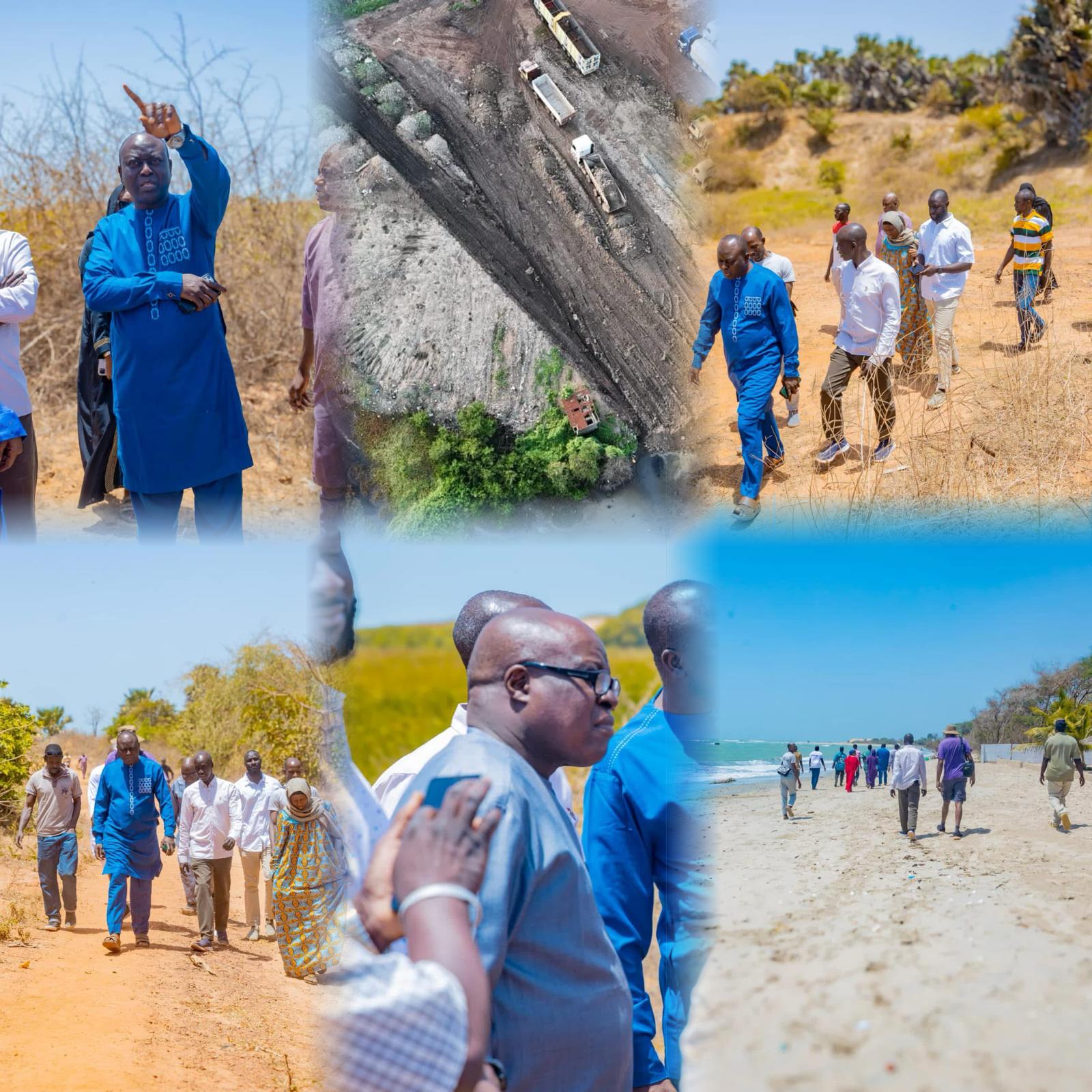
The Sanyang community, led by the Village Development Committee (VDC), Sanyang Development Fund (SDF), and other stakeholders, fiercely opposed the initial site, arguing it would devastate the local economy and cultural heritage. The DSTF was formed to negotiate with the government and GPA, ultimately securing an agreement to relocate the port to the sparsely settled Hawaba area between Sanyang and Tujereng. This compromise was seen as a victory for the community, as it preserved vital economic and cultural sites, including the Hawaba settlement, the Berewuleng Prayer Shrine, and the fish landing site.
Tensions and Transparency Concerns
Despite this progress, tensions have persisted due to a perceived lack of transparency and engagement. In February 2025, Minister of Works Ebrima Sillah publicly apologized for the GPA’s mishandling of community consultations, admitting that officials had begun scoping activities without prior engagement, exacerbating mistrust. The community, represented by lawyer Lamin J. Darboe, demanded the project’s master plan and raised concerns about the scale of land acquisition, estimated at 100,000 hectares, deemed excessive compared to regional projects like Nigeria’s Lekki Deep Seaport, which occupies 90 hectares for a population of over 230 million.
The DSTF’s latest letter reflects ongoing frustrations. The committee argued that the unilateral announcement of the July 5 ceremony disregards the steering committee’s role, which includes representatives from MoWI, GPA, and the community. The task force’s exclusion from such a significant milestone has reignited fears that the government and GPA may not prioritize community interests as the project progresses.
Community and Economic Stakes
Sanyang residents fear the port’s development could upend their livelihoods. Abdoulie Botto Gaye, Chairman of the Sanyang VDC, previously warned that the project threatens beach businesses, fishermen, women gardeners, and homeowners, with over 400 compounds potentially facing displacement. The community has proposed relocating all port facilities to the Tourism Development Area (TDA) beyond Hawaba to minimize disruption, a demand echoed in legal correspondence to the GPA.
The project’s proponents, including Minister Sillah and GPA Managing Director Ousman Jobarteh, argue it will bring economic benefits, including job creation and enhanced port efficiency. The port is expected to feature modern amenities like restaurants and museums, positioning Sanyang as a maritime hub. However, critics, including the United Democratic Party, have questioned the transparency of the concession agreement and the adequacy of local content provisions, calling for greater public scrutiny.
Looking Ahead
As the July 5, 2025, ceremony approaches, the DSTF’s letter underscores the fragile trust between Sanyang’s residents and the government. The committee has called for a renewed commitment to a participatory approach, urging MoWI and GPA to engage transparently with the community. With the threat of legal action looming, community leaders have signaled their readiness to challenge the project in court if their concerns are ignored. The success of the Sanyang Deep Sea Port Project may hinge on the government’s ability to rebuild confidence and honor its commitments to Sanyang’s stakeholders.