By Alieu Ceesay
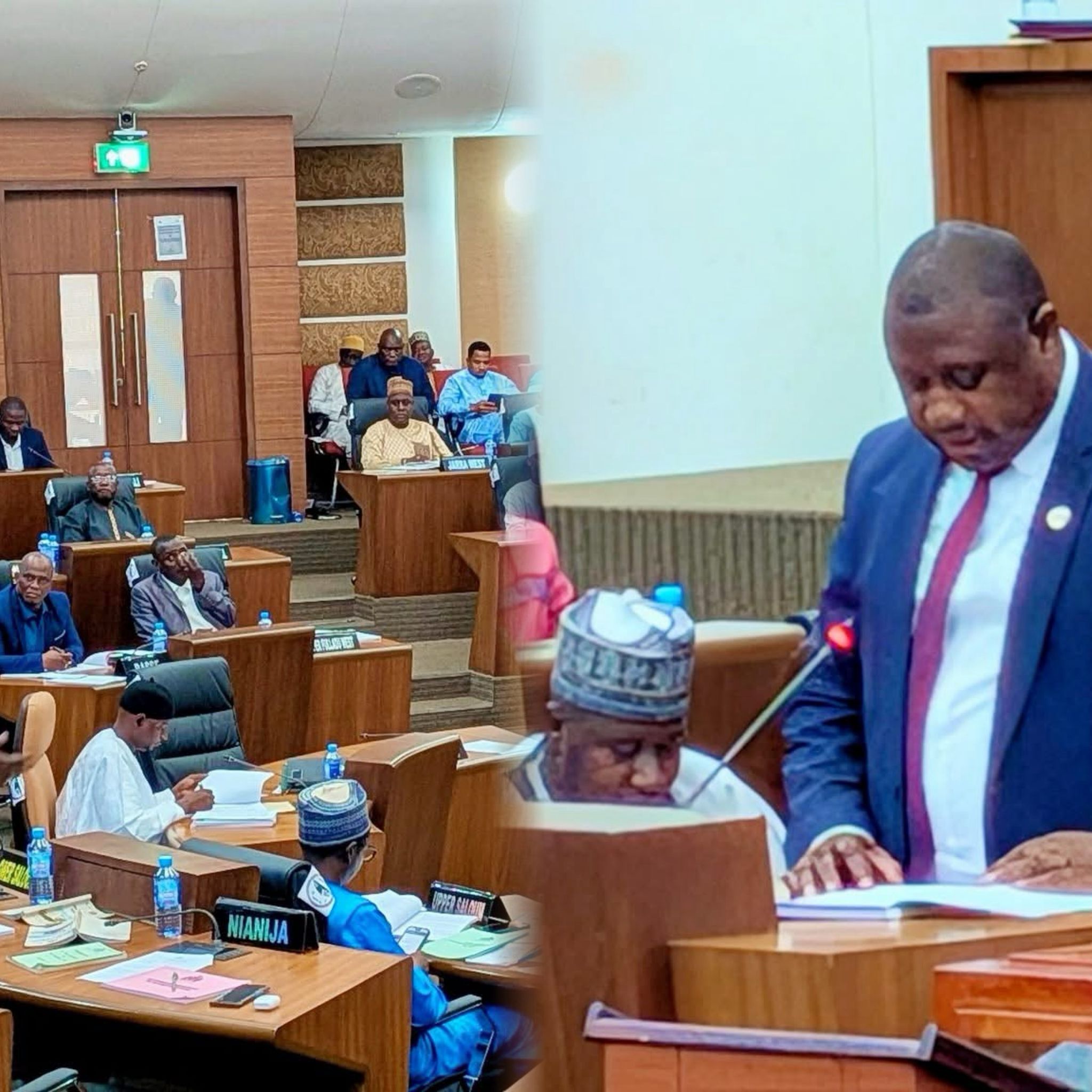
The National Assembly descended into a heated debate on Monday, July 7, 2025, during the second reading of the 2024 Draft Constitution, tabled by Minister of Justice Dawda Jallow. The session, following the draft’s successful first reading, exposed deep divisions among lawmakers, with sharp criticisms leveled against the proposed document’s intent, clarity, and democratic credentials.
Leading the charge was Musa Badjie, the outspoken representative for Tallinding Kunjang, whose fiery speech set the tone for the contentious debate. Badjie warned that the draft risks centralizing power in ways that could undermine democratic principles. He specifically criticized the removal of phrases like “abuse of power” from the impeachment clause, arguing it weakens mechanisms to hold leaders accountable. “This draft fails to reflect the true will of the people,” Badjie declared, pointing to deficiencies in the preamble and core principles. He urged his colleagues to reject any document that does not empower citizens or safeguard civil liberties, cautioning that failure to engage honestly could lead to public disillusionment and institutional collapse.
Badjie’s concerns were echoed by other lawmakers, including Honorable Sulayman Saho, who labeled the draft undemocratic and vowed not to support its passage to the consideration stage. “We will not vote for it; it’s not democratic,” Saho asserted, expressing distrust in the process. He accused the majority of overpowering minority voices, referencing their rejection of diaspora voting as evidence of bad faith. “When we needed you to vote for diaspora voting, you didn’t heed our plea. Now you want us to listen to you? We don’t trust you,” Saho said, signaling a deep rift among lawmakers.
Honorable Almameh Gibba, representing Foni Kansala, was equally scathing, declaring the draft unreflective of his constituents’ aspirations and cultural values. “I reject this draft to forty feet deep,” Gibba stated, emphasizing that his community overwhelmingly opposes the document. Similarly, Honorable Bakary K. Badjie described the session as a “burial” of the draft, noting that his constituency rejected it because it failed to represent their will.
The 2024 Draft Constitution, intended to replace the 1997 Constitution, has sparked widespread controversy. Critics, including Badjie and Saho, have called for broader citizen consultation, arguing that the document falls short of meeting the nation’s democratic aspirations. Other lawmakers highlighted the elimination of key clauses, such as those mandating asset declarations, political party funding, and National Assembly approval of presidential appointments, as further evidence of the draft’s shortcomings.
Despite the criticism, not all lawmakers opposed the draft. Nfamara Sabally, representing Wuli East, urged colleagues to allow the bill to proceed to the consideration stage, framing it as a document for the Gambian people, not the president. “Reject it if you wish, but we support it. We need to forget about policy and politics,” Sabally said, echoing sentiments expressed by the Minister of Justice.
The debate underscores growing tensions within the National Assembly, with lawmakers divided over the draft’s democratic merits and its alignment with public aspirations. Badjie’s impassioned call for accountability and inclusivity resonated with many, but the path forward remains uncertain. If the bill passes its second reading, it will proceed to the consideration stage, where amendments may be proposed. However, opponents like Saho fear that the majority’s influence at that stage could stifle necessary changes.
As the nation watches closely, the debate over the 2024 Draft Constitution has become a flashpoint for broader concerns about governance, representation, and the future of Gambian democracy.
Lawmakers face mounting pressure to deliver a document that balances power, protects civil liberties, and reflects the will of the people. For now, the draft’s fate hangs in the balance, with critics like Badjie and Saho vowing to fight for a constitution that genuinely serves the Gambian people.
The National Assembly’s next steps will be crucial, as the outcome of this debate could significantly impact the country’s democratic trajectory for years to come. As Badjie warned in his closing remarks, “Failure to listen to the people risks not just disillusionment, but the collapse of the very institutions we are sworn to uphold.”
A vote is expected in the coming hours.