By Fatou Dahaba
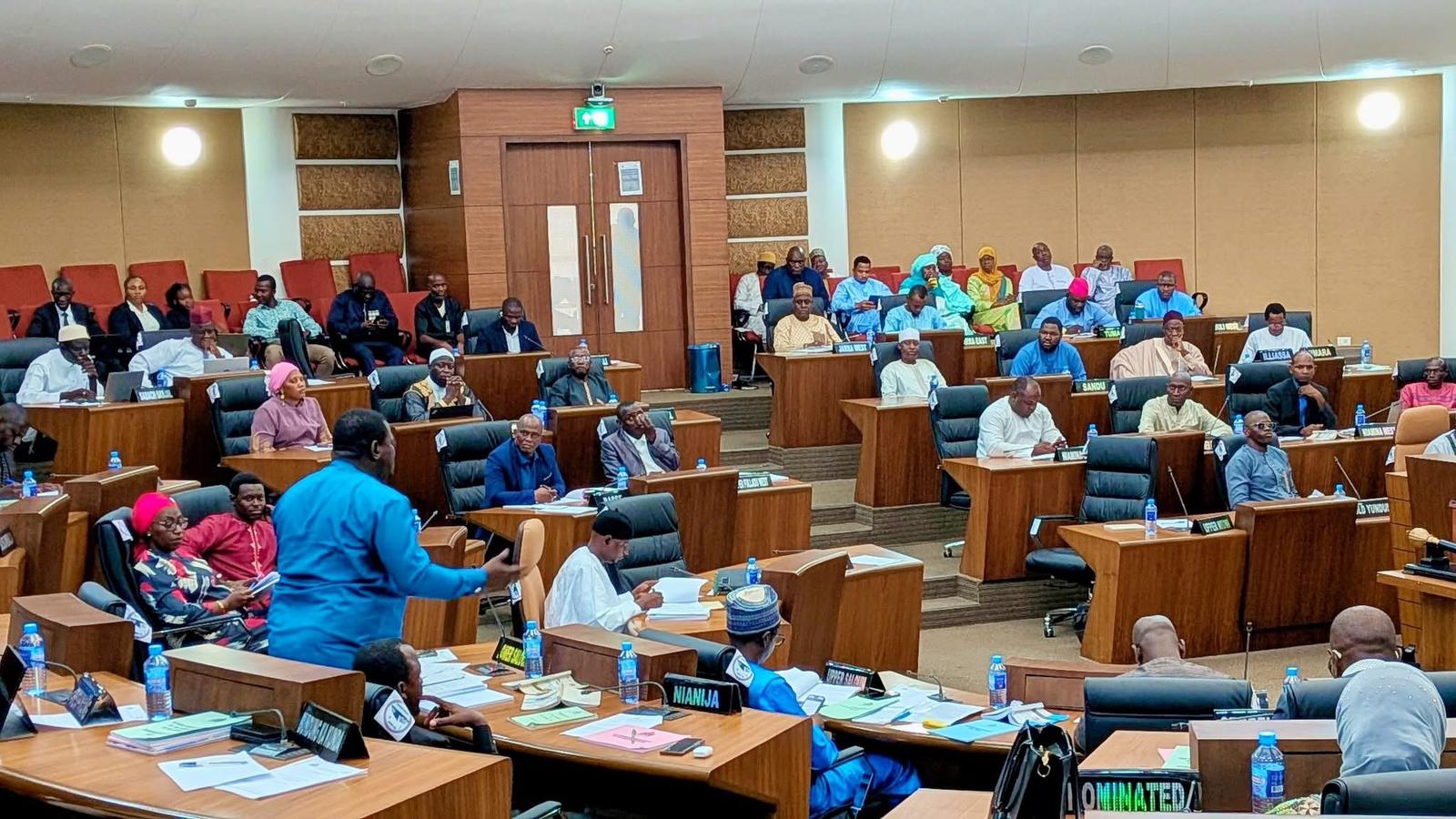
In a pivotal moment for The Gambia’s legislative landscape, the National Assembly held a spirited debate on Monday over the 2024 Constitution Promulgation Bill, only to fall short of passing it during its second reading. The vote, which tallied 35 in favor and 21 against, fell short of the three-quarters majority required under the 1997 Constitution, halting the bill’s progress and sparking renewed calls for broader consultation.
The session, marked by passionate arguments from both supporters and critics, underscored the deep divisions over the proposed constitutional framework. Proponents of the 2024 draft hailed it as a significant step forward, arguing it better reflects the aspirations of Gambians compared to the 2020 version, which was also discarded during the same process with a similar vote count. “This draft is a marked improvement, aligning with the needs and hopes of our people,” one ruling party deputy asserted during the debate, emphasizing its potential to strengthen governance and national unity.
However, opponents raised serious concerns about the process behind the draft’s creation. They argued that critical consultations with key stakeholders— including civil society, traditional authorities, and ordinary citizens—were either rushed or overlooked entirely. Critics pointed to the removal of key clauses from the 2020 draft, which they deemed essential for establishing a robust and inclusive constitutional framework. “This document does not fully capture the diverse voices of our nation,” another opposition deputy declared, urging a more participatory approach to ensure the constitution reflects the will of all Gambians.
The debate presided over by the Speaker of the National Assembly was a display of democratic vigor, with lawmakers articulating their visions for The Gambia’s future. After hours of deliberation, the Speaker called for a vote to determine the bill’s fate. The outcome—35 votes in favor, 21 against—fell short of the 44 votes threshold needed to meet the three-quarters majority threshold mandated by the 1997 Constitution. As a result, the bill was stalled, marking another setback in The Gambia’s ongoing quest for a new constitutional order.
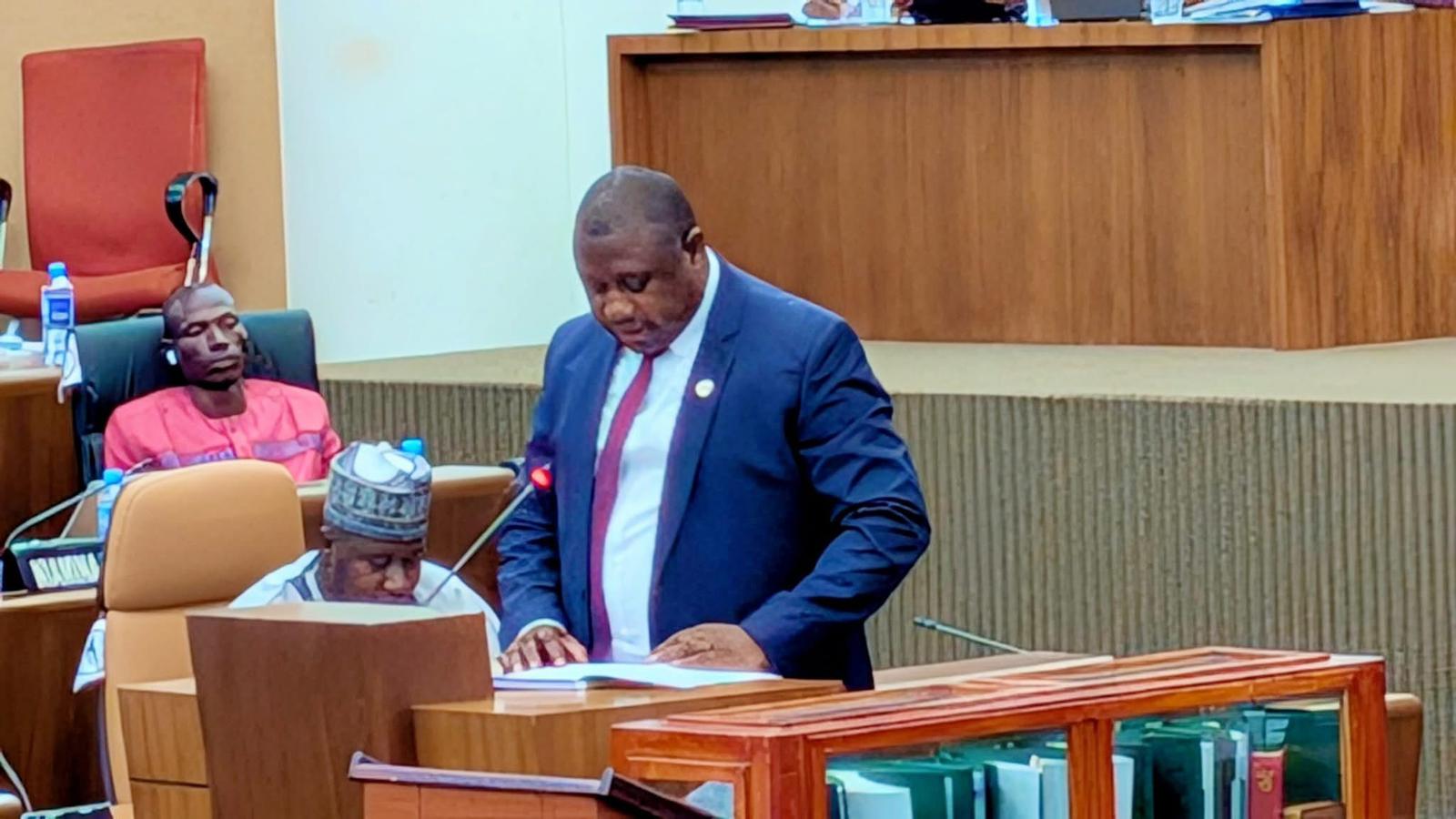
Justice Minister Dawda Jallow addressed the Assembly, framing the bill as a cornerstone of the country’s transitional justice process. “For our transitional justice process to fulfill its purpose, we must establish a clear distinction between our past and future, even if that change serves a symbolic function,” Jallow said. His remarks highlighted the broader significance of constitutional reform in addressing historical grievances and fostering reconciliation in a nation still grappling with the legacy of past governance challenges.
Following the vote, the Speaker delivered a sobering yet optimistic address, clarifying that the failure to meet the required threshold meant the bill could not advance. However, he urged lawmakers and stakeholders to view the outcome as an opportunity rather than a defeat. “This is not the end,” he said. “It is a chance for reflection, wider consultation, and re-engagement with all sectors of Gambian society—political actors, civil society, traditional authorities, and citizens alike.” He emphasized the need for a constructive and inclusive process to ensure the sustainability of The Gambia’s constitutional order, noting that legislators bear the responsibility not only of representing their constituents but also of safeguarding the nation’s long-term stability.
The rejection of the 2024 bill has sparked widespread discussion across The Gambia, with many citizens expressing disappointment over the lack of progress, while others view it as an opportunity to demand greater involvement in the constitutional process.
After the rejection, they have had calls for more extensive consultations, with Gambians voicing their desire for a framework that genuinely reflects their collective aspirations. “We want a constitution we can all own, one that comes from us, not just the lawmakers,” said Amadou Camara, a Banjul-based teacher, echoing a sentiment shared by many.
The failure of both the 2020 and 2024 drafts has raised questions about the path forward. Analysts suggest that the National Assembly must prioritize inclusive dialogue to bridge the gaps exposed during Monday’s debate. Civil society organizations have already begun mobilizing and advocating for town hall meetings and public forums to ensure citizens can actively participate in shaping the next draft. “The people must have a say,” said a prominent civil society leader. “This is about our future, and every voice matters.”
The adjournment of the session leaves the nation in anticipation of the next steps, with hopes that future efforts will yield a constitution that unites Gambians and lays a strong foundation for justice, reconciliation, and sustainable governance. For now, the journey toward a new constitutional order continues, with the promise of a more inclusive process on the horizon.