By Fatou Dahaba
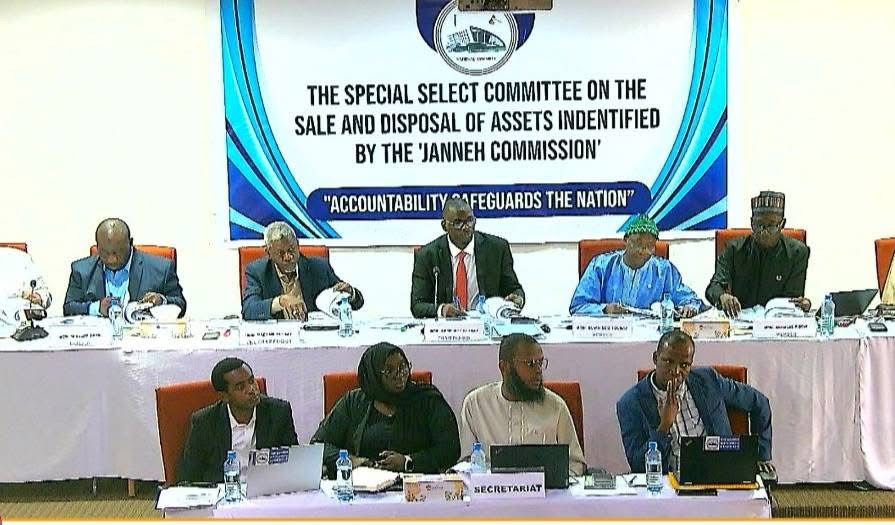
In a significant step toward transparency and accountability, Gambian lawmakers convened a public hearing on Monday, July 14, 2025, to investigate the sale and disposal of assets linked to former President Yahya Jammeh, as identified by the Janneh Commission of Inquiry. The inquiry, held at the assembly auditorium in Banjul—the bustling epicenter of Gambia’s political sphere—marks a critical moment in the nation’s efforts to address the legacy of Jammeh’s 22-year rule.
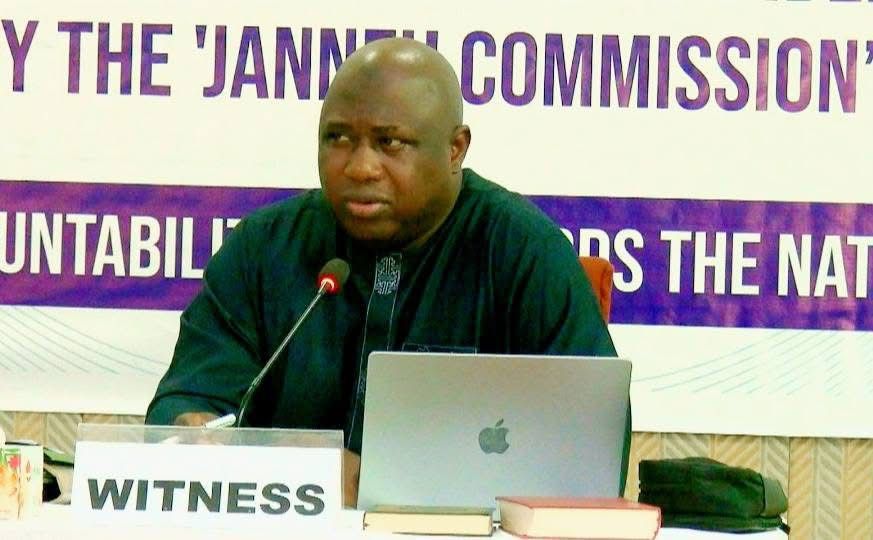
The special committee tasked with this probe heard testimony from Attorney General and Minister of Justice Dawda Jallow, who provided insights into the commission’s formation, operations, and the controversial appointment of private legal counsel.
The Janneh Commission, established to investigate the financial dealings and asset acquisitions of former President Jammeh, has been a cornerstone of Gambia’s transitional justice process since the ousting of the former leader in 2017.
The assets in question, ranging from real estate to vehicles and bank accounts, were allegedly amassed through illicit means during Jammeh’s presidency. Monday’s hearing focused on the mechanisms governing the commission’s work, particularly the sale and management of these assets, and raised pointed questions about the independence and efficiency of the process.
Minister Jallow, the first witness to testify, outlined the foundational role of the Ministry of Justice in supporting the Janneh Commission. He detailed the commission’s Terms of Reference (ToR), which guide the Lead Counsel, Secretary General, and other appointees. Jallow emphasized that the ministry’s primary responsibility was to ensure the commission’s operational framework was robust, including meticulous record-keeping and administrative support. “Our role was to facilitate the commission’s needs while ensuring it could function independently,” Jallow told the committee.
A key point of contention during the hearing was the decision to appoint a private attorney, Ms. Amie Bensouda, as Lead Counsel, despite the availability of state counsel. Jallow defended the choice, arguing that engaging private legal expertise is a standard practice for specialized commissions. “Governments often rely on private counsel for such complex investigations to ensure impartiality and expertise,” he said, addressing concerns about the necessity and cost of the appointment.
The inquiry also delved into the operational autonomy of the commission. Jallow confirmed that the commission has its own budget and is responsible for formulating its work plans. However, he acknowledged limitations in its financial independence, noting that the Ministry of Justice serves as the primary intermediary between the commission and the government. “Complete autonomy would require direct parliamentary approval and funding, which is not the current arrangement,” Jallow explained. This revelation sparked questions about the commission’s ability to operate without undue influence, a concern central to the inquiry’s objectives.
Committee member Alagie Mbowe raised concerns about inconsistencies in the Lead Counsel’s Terms of Reference, pointing out that the confirmation of Ms. Bensouda’s appointment appeared to predate the official documentation. Jallow declined to comment on the specifics, stating, “The document speaks for itself,” but acknowledged variances in the signature and confirmation dates as an area requiring further scrutiny.
Another committee member, Kebba Lang Fofona, pressed Jallow on whether Ms. Bensouda’s contract was made in her capacity or through her law firm, AB and Co. Jallow clarified that the contract was directly between Bensouda and the government. However, when questioned about the use of AB and Co. letterhead for official correspondence—a potential breach given the individual nature of the contract—Jallow admitted the oversight. “It should have been on her personal letterhead, but Counsel Bensouda can provide further clarity,” he said.
Logistical arrangements also came under scrutiny. Jallow addressed a request from the commission’s Secretary General for the redeployment of five vehicles, describing it as a cost-saving measure compared to purchasing new ones. Additionally, a documented request (MoJ 4c) from the judicial secretary for four transcribers was explained as a necessary step to expedite the commission’s work. However, Jallow struggled to justify why the commission, with its own budget, relied on other government entities for resources like transcribers and computers, highlighting tensions between its operational autonomy and financial constraints.
Throughout the hearing, Jallow maintained that the commission was designed to operate independently, free from governmental interference. Yet, his inability to provide details on certain communications—due to his absence from the ministry during the commission’s early stages—drew skepticism from committee members. He promised to investigate any executive communications that might have influenced the commission’s work, underscoring the importance of transparency in the process.
The inquiry into the sale of Jammeh’s assets is expected to continue with further hearings, as lawmakers seek to ensure that the process was conducted fairly and that proceeds from asset sales benefit the Gambian people. The findings of this investigation could have far-reaching implications for public trust in the government’s handling of transitional justice and its commitment to combating corruption.
As the hearing adjourned, the atmosphere in Banjul’s assembly auditorium was one of cautious determination. For a nation still grappling with the scars of Jammeh’s regime, the inquiry represents a pivotal step toward accountability and closure. With more witnesses expected to testify in the coming weeks, Gambians await answers that could shape the country’s path to reconciliation and reform.