By Ebrima Mbaye
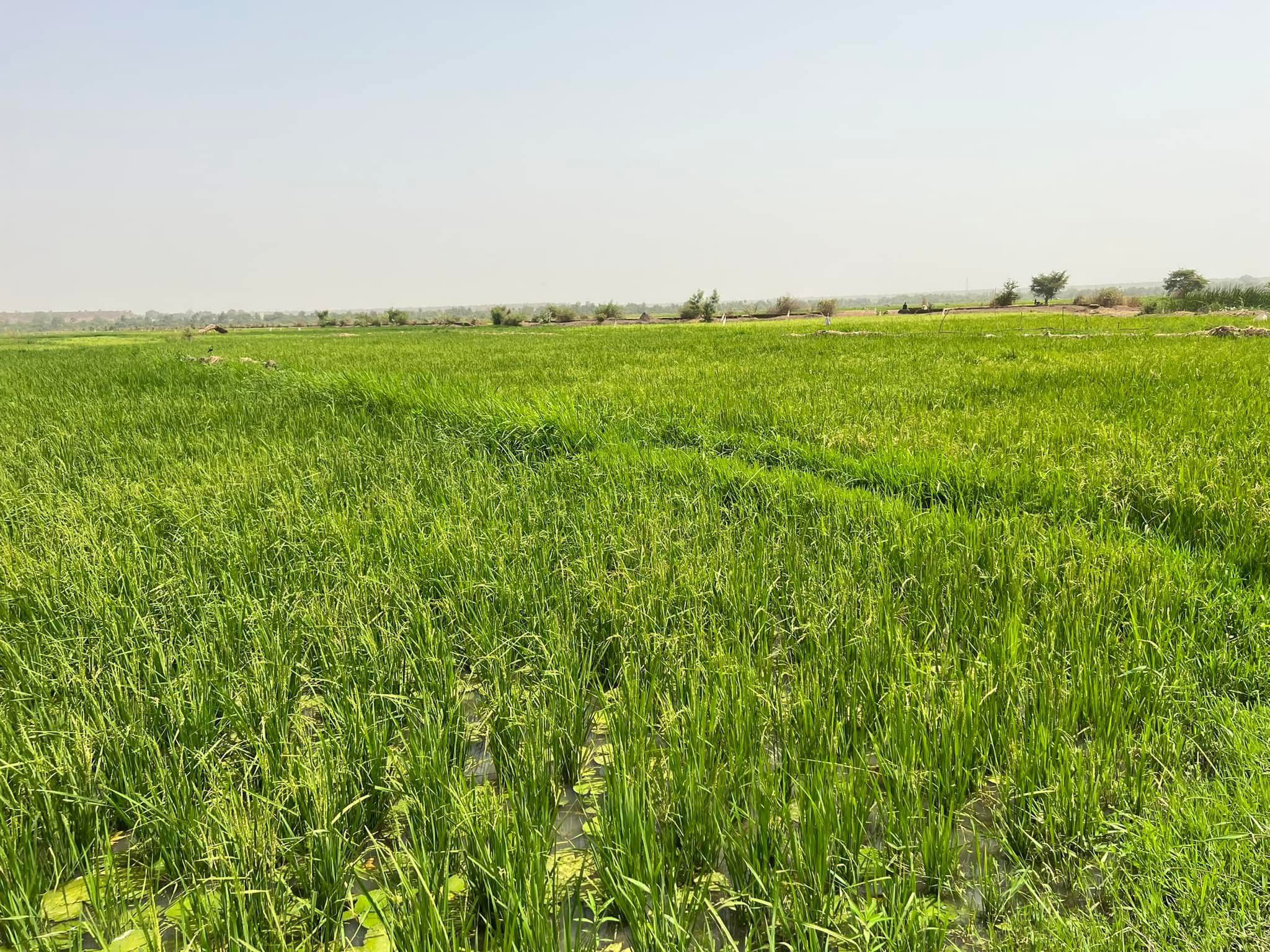
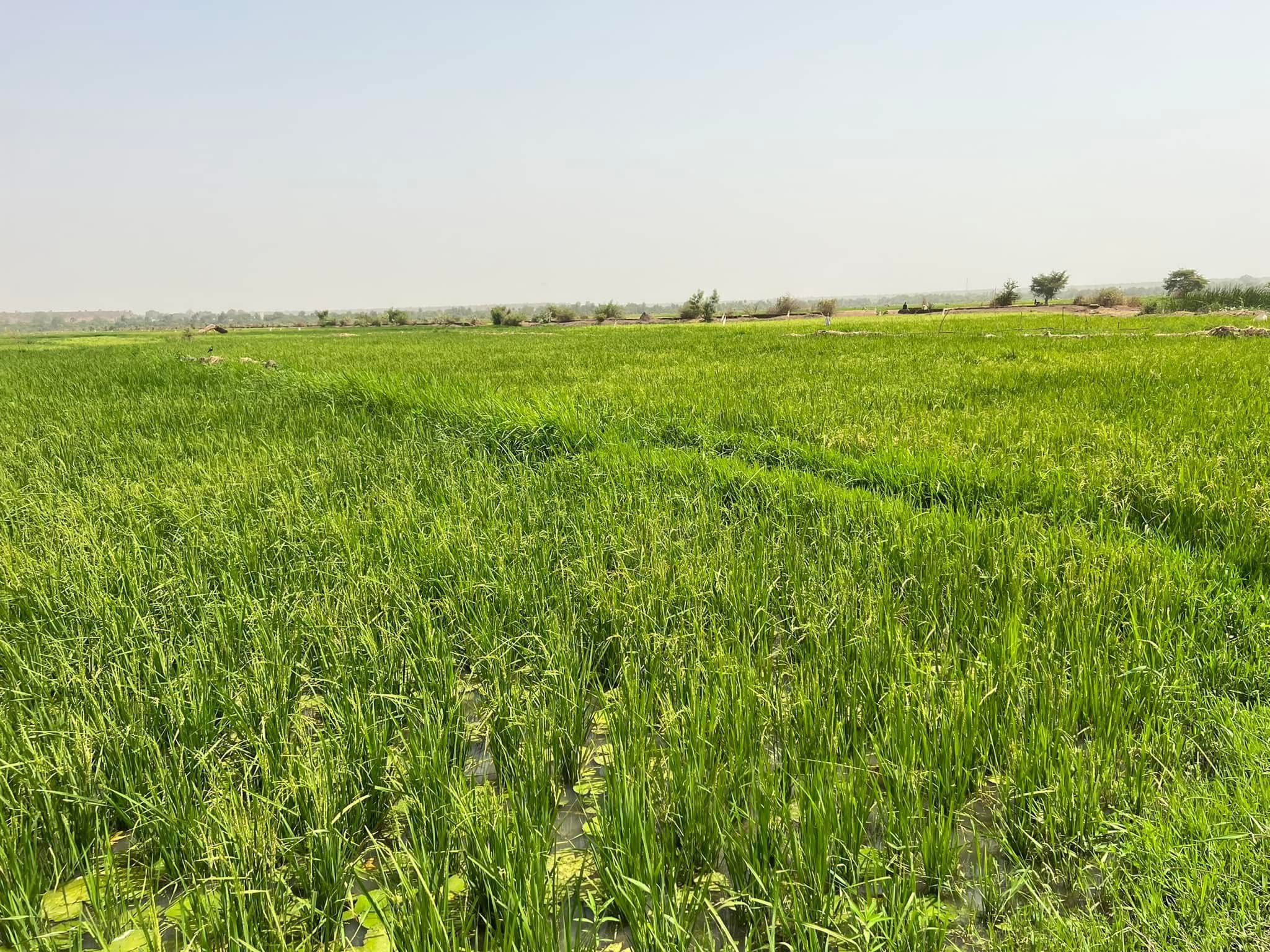
In the fertile plains of The Gambia’s Central River Region, the Jahally–Pacharr Rice Field, a beacon of agricultural promise since its establishment in 1984, now stands as a stark symbol of despair.
Smallholder farmers, once hopeful stewards of the nation’s rice self-sufficiency dream, are sounding the alarm over exploitative combine harvester charges, skyrocketing fertilizer costs, and the sluggish delivery of government aid. These mounting pressures threaten to transform months of backbreaking labor into a relentless cycle of debt and poverty, leaving farmers like Bamba Ceesay with little to show for their toil.
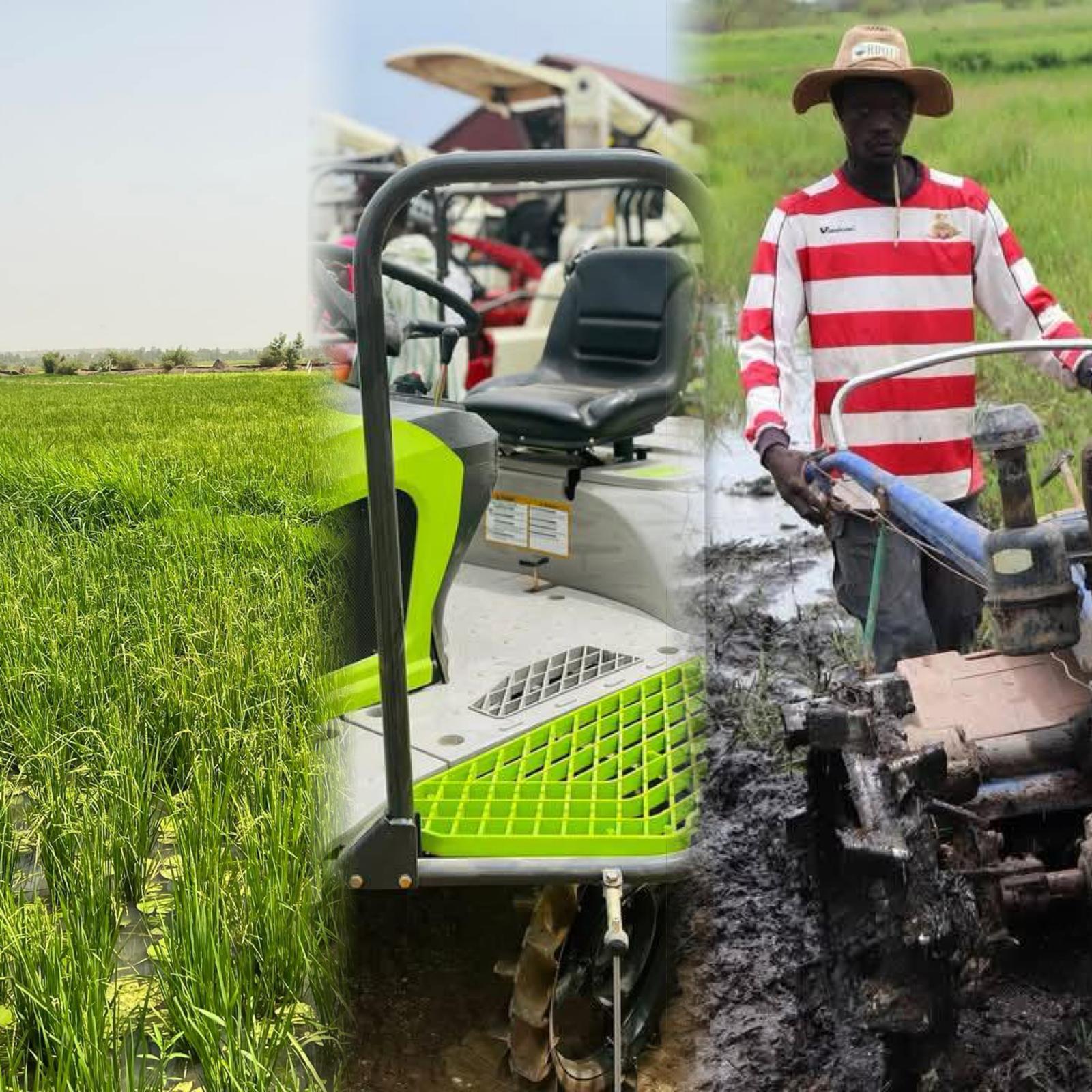
“This is modern-day exploitation,” said Ceesay, a smallholder farmer supporting a family of six, his voice heavy with frustration. “I plant the rice, I weed it, I water it. But when it’s time to harvest, I must hand over more than half my yield. How can we survive like this?”
Harvester Fees: A Harvest of Loss
At the heart of the crisis are the combine harvester fees, which farmers say devour up to 60% of their yield. Private operators, some allegedly tied to cooperatives or political gatekeepers, charge a steep eight bags of rice per hectare harvested—a fee that leaves many with barely enough to feed their families, let alone sell for profit. For a farmer yielding 14 bags per hectare, this means surrendering over half their crop just to get it out of the field.
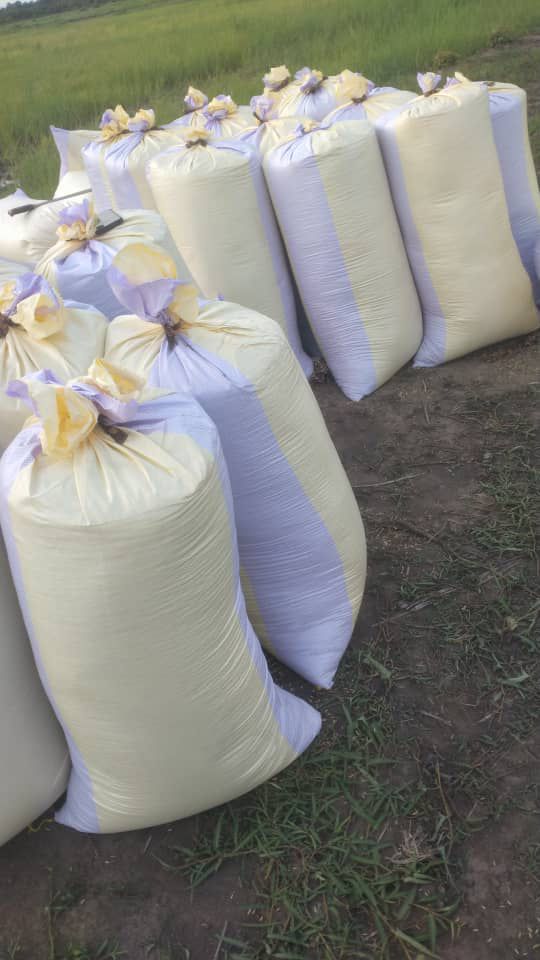
“You either pay their price, or your rice rots in the field,” said Ebrima Baldeh, a young farmer in his twenties, his tone laced with resignation. “They tell you it’s eight bags, no negotiation. If you argue, they move on to the next field.”
Combine harvesters were introduced to Jahally–Pacharr as a solution to labor shortages and climate pressures, but the absence of regulation has turned them into tools of exploitation. Farmers allege that operators prioritize larger farms or those with connections, leaving smallholders at the mercy of delayed schedules or exorbitant fees. The lack of transparency in how these machines are managed has fueled suspicions of profiteering.
Fatou Jammeh, the ROOTS Project Coordinator for CRR South, expressed shock at the extent of the issue. “I have no idea about the number of bags charged per plot for the combine harvester,” she admitted. “These machines were gained by farmers through a matching grant. They’re meant to serve the community, not burden it.”
Yet, farmers insist that the machines, even if initially funded through grants, are now controlled by influential individuals or profit-driven entities.
Mustapha Fatty, CEO of Fatty Agricultural Farm and a beneficiary of a donated combine harvester through the Ministry of Agriculture (MoA), defended the pricing structure. “We operate fairly,” Fatty said. “If a field yields 70–80 bags, eight bags is reasonable. But if the yield is low, we might take six or five. It depends.”
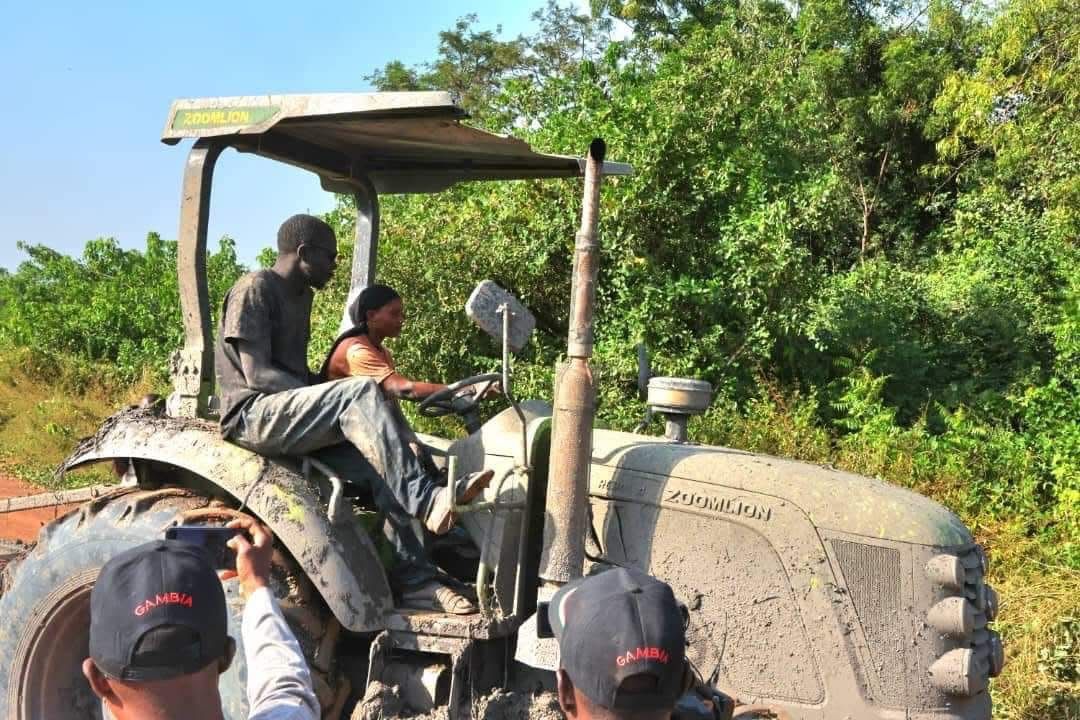
Fatty also dismissed claims that operators like Maruo Farm have monopolized harvests. “Three of their machines are currently inoperable due to technical issues,” he said. “It’s their choice where to take their machines. The allegations of monopolization are untrue.” He added that farmers sometimes contribute to the problem, noting that poorly maintained plots can damage machines. “Some fields are in terrible condition—full of weeds or uneven. Farmers don’t tell us until our machines break down, and that costs us too.”
Fertilizer Subsidies: Out of Reach for the Needy
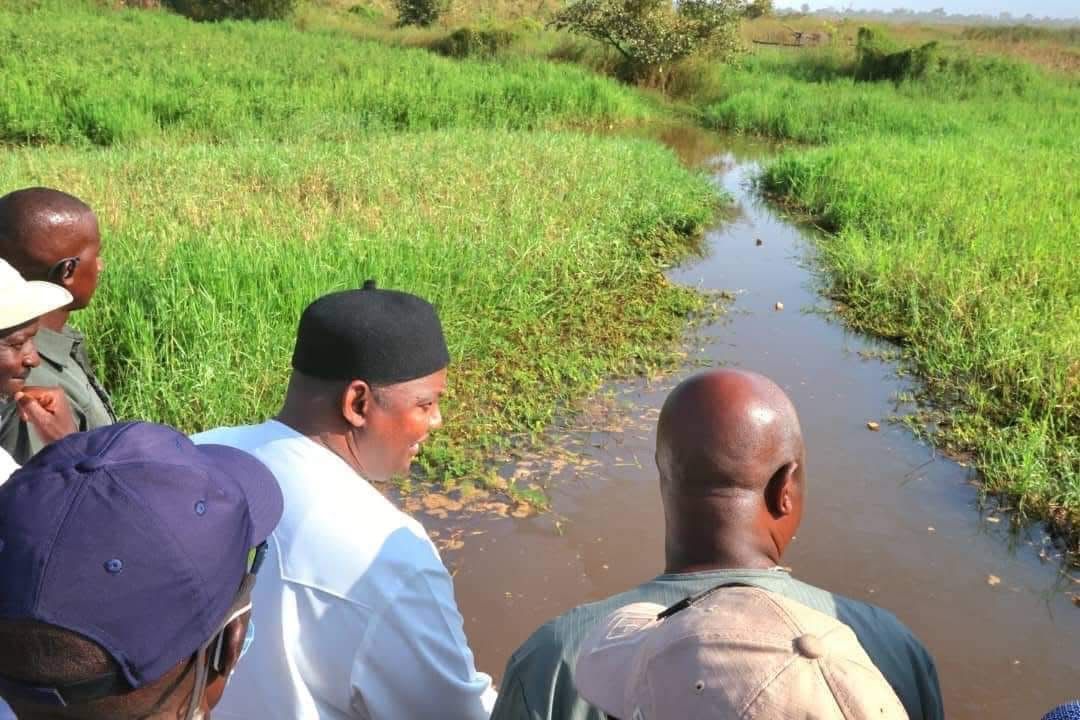
The crisis extends beyond harvesting. In June 2025, the MoA announced the distribution of over 578,000 bags of subsidized fertilizer at GMD 1,100 per 50kg bag, a significant discount from the market price of GMD 2,200. But for many in Jahally–Pacharr, this relief is a mirage.
“We heard the fertilizer came,” said Isatou Bah, a widow and cooperative member. “But when we reached the depot, it was ‘finished,’ or we were told to come back later. After days of trying, you give up.” Bah and others allege that agents prioritize commercial farmers or large cooperatives, leaving smallholders and vulnerable groups to fend for themselves. On the black market, fertilizer prices have soared to GMD 2,200 per bag, forcing many farmers to plant without it, which results in lower yields and deeper financial strain.
“I can’t afford GMD 2,200,” Bah said. “So, I planted with nothing. My harvest will be small, and the harvester will still take eight bags. What’s left for me?”
The Crushing Cost of Cultivation
For farmers like Fatoumatta Trawally in the nearby Brikamaba rice field, the costs of growing rice extend far beyond harvesters and fertilizer. Fuel for plowing, informal “processing” fees, and sacks for storage eat into already meager profits. “I planted two hectares this year,” Trawally said, her voice heavy with exhaustion. “After paying the harvester and buying fertilizer on credit, I might keep a few bags. We’re no longer farming for our families. We’re farming to stay in debt.”
The emotional toll is palpable. Trawally spoke of her children, who rely on the harvest for food and school fees. “Maybe I’ll get a good harvest—maybe less. But I’ve already given eight bags to the harvester and borrowed money for fertilizer. What’s left for my children?”
Policy Promises vs. Rural Reality
Jahally–Pacharr was once a symbol of The Gambia’s ambition for rice independence, but today it reflects a growing chasm between government policy and rural realities. ROOT is financed by a multi-partner consortium, in which IFAD serves as the lead financier. Meanwhile, GIRAV, backed by the World Bank, aims to enhance mechanization and increase access to inputs. Yet, smallholder farmers say these benefits rarely reach them.
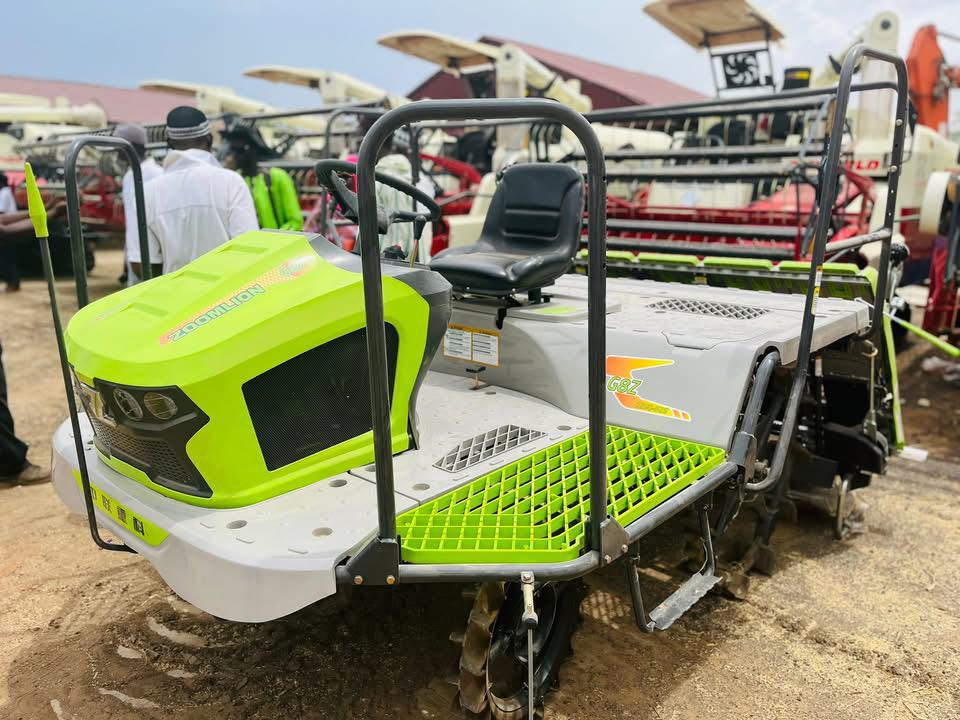
“They said the machines were for all of us,” said Musa Saho, a veteran farmer. “But somehow, they never reach the poor.” In July 2025, the MoA announced the delivery of 14 combine harvesters and 10 rice transplanters under the National Rice Development Strategy II, alongside plans to rehabilitate the irrigation system. The GIRAV Project has mobilized over US$12.9 million (GMD 790 million) for agribusiness, with US$9 million from the World Bank and US$3.9 million from beneficiaries. Since 2022, 450 metric tons of climate-smart rice seeds have been distributed, with the goal of achieving rice self-sufficiency by 2030.
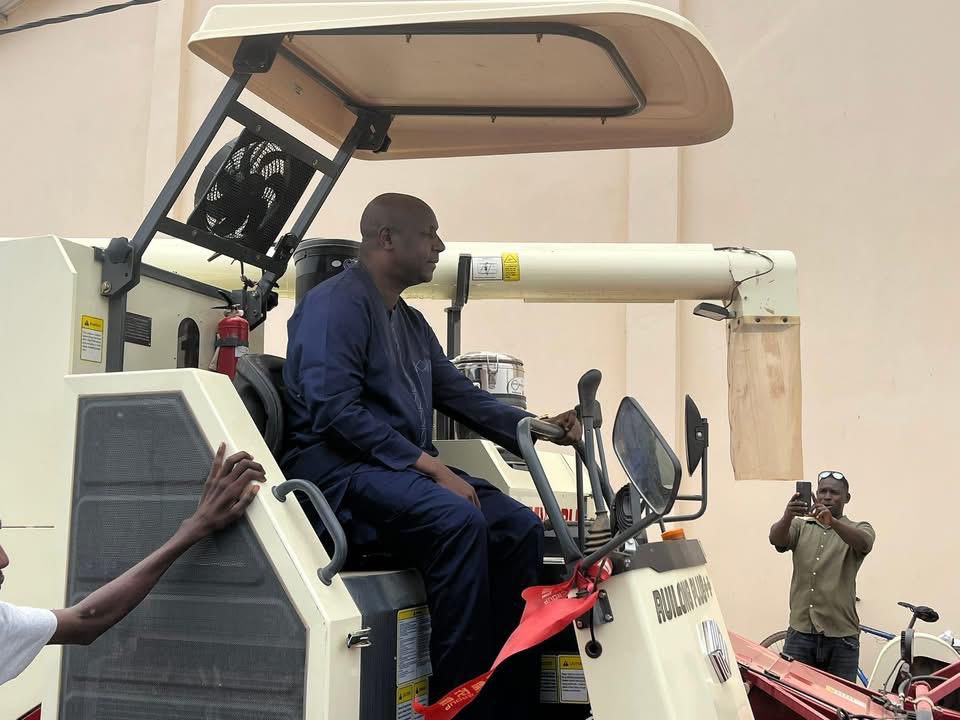
At a recent handover ceremony at Maruo Farm, the Minister of Agriculture, Demba Sabally, hailed these efforts, noting that over GMD 455 million has been awarded to agribusinesses and cooperatives since 2023. Beneficiaries include individuals such as Mustapha Fatty and groups like the Janjanbureh Rice Growers Cooperative Society, each of which receives harvesters or transplanters. Yet, farmers on the ground report little change.
Efforts to reach John Mendy, the Regional Agricultural Director for CRR South, for comment were unsuccessful. His department, however, received one combine harvester and one rice transplanter.
A Harvest of Broken Trust
The human cost of these systemic failures is stark. Awa Sama, a women’s group leader, spoke of the legacy of Jahally–Pacharr, built by the sweat of past generations. “Our mothers and fathers worked with hope,” she said. “Now, we’re crushed by systems meant to help us. They take pictures in the dry season, but when the rains come and fields flood, we’re alone.”
The silence after Sama’s words carries the weight of countless untold stories. In Jahally–Pacharr, rice still grows, but the promise of prosperity has withered. Farmers face a stark choice: abandon their fields or continue farming for debt. As The Gambia pushes for food self-sufficiency, the plight of these farmers serves as a sobering reminder that policy alone cannot bridge the gap between ambition and reality.
For Fatoumatta Trawally, the harvest looms, but the joy is gone. “I’ve borrowed money, given away my rice, and worked my hands to the bone,” she said. “What’s left for us?” In Jahally–Pacharr, that question echoes across the fields, unanswered.