By: Kebba Ansu Manneh
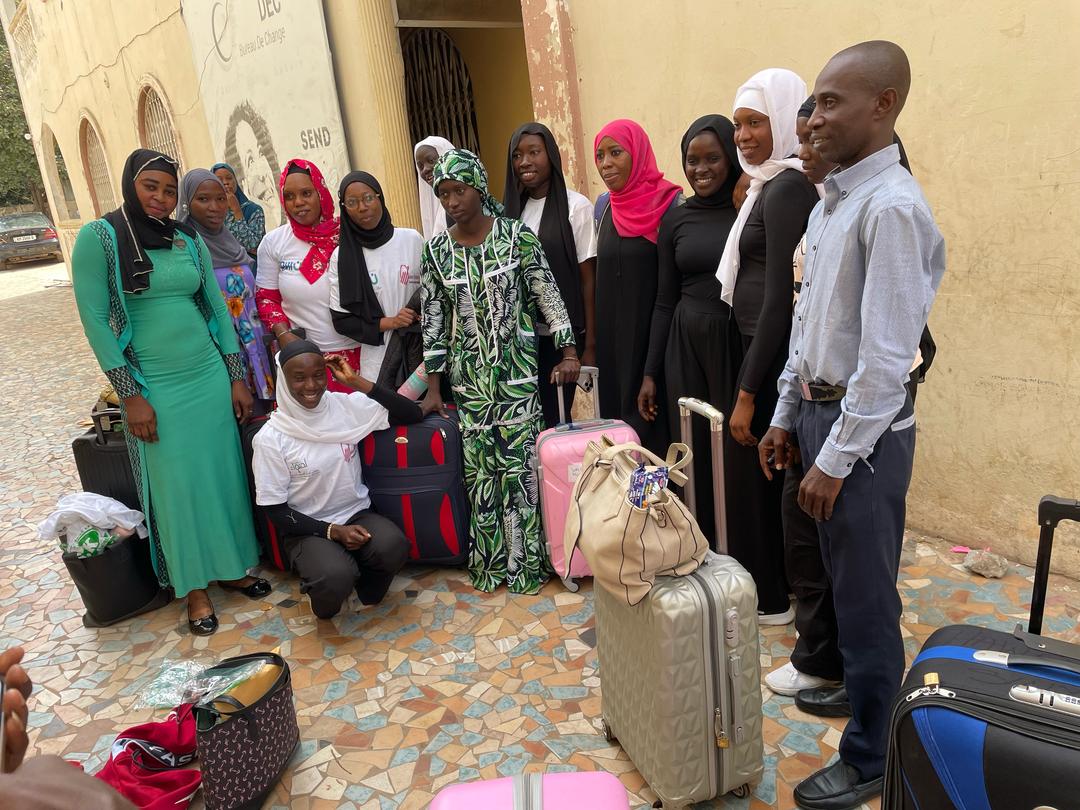
Scores of Gambian migrant workers employed as domestic workers in Saudi Arabia have issued desperate pleas to the Gambian government for urgent intervention to facilitate their repatriation. Citing grueling working conditions, lack of access to healthcare, and mistreatment by agents and contractors, these workers describe a reality far removed from the promises that lured them to the Gulf nation.
In exclusive interviews with The Alkamba Times, at least four Gambian migrant workers detailed their struggles, highlighting unmet expectations of fair wages, decent accommodations, and adequate living conditions. Instead, they report enduring long working hours, poor housing, and severe health challenges with little to no support from their employers or agents.
Haddy Secka, one of hundreds of Gambians working as domestic helpers in Saudi Arabia, spoke of widespread dissatisfaction among her peers. “Many of us are facing unfavorable working conditions and ill-treatment from certain contractors,” she said. Secka emphasized that the agreements made under the Gambia-Saudi Domestic Workers program are not being honored, leaving many workers vulnerable. “The Gambian government needs to step in urgently. A significant number of us want to return home, but the conditions imposed make it nearly impossible,” she added.
Among the most heart-wrenching accounts is that of Kaddy Camara, who emotionally shared her ordeal with TAT. “Since we left Gambia on February 18, I have been living in hell on earth,” she said, her voice breaking. Camara is currently unable to work due to swollen feet, a condition she attributes to sleeping on a cold floor next to a pungent sewer. She described severe bone pain and general body aches, compounded by a lack of access to medical care. “I don’t get any medical treatment,” she said, adding that her attempts to return home have been thwarted by her agent’s demands.
“My agents told me I must work three months to cover my fare and another three to repay my contractor,” Camara explained. “This is impossible because I’m not working due to my health.” She revealed that her contractor has stopped providing food, forcing her to scavenge from dustbins for sustenance over the past three days. “I’m appealing to the Gambian government and all well-meaning Gambians to help me return home. My health is deteriorating, and I have no one here to help,” she said, tears streaming down her face.
Camara also highlighted a stark contrast between the promises made before their departure and the reality they face. “We were told we’d have good conditions, but here we work long hours without rest. They don’t care about our health or respect the agreement with the government,” she said.
Hawa Sanyang, another Gambian domestic worker, corroborated these claims, describing a life of confinement and exploitation. “We’re mostly confined to the houses, not allowed to go out or rest properly. It’s like we’re slaves with no right to complain,” she said. Sanyang urged the Gambian government to act swiftly, particularly for those who are ill and unable to afford return tickets. “Some of our colleagues are sick and in desperate conditions. The government must intervene before it’s too late,” she stressed.
Modou Camara, an agent involved in the Gambia-Saudi domestic worker program, denied the allegations, asserting that all workers signed contracts outlining their responsibilities, including covering their own return tickets. He claimed Kaddy Camara’s case was recently reported and is being addressed, noting that her issues with employers have been handled with “courtesy” in the past. However, he declined to comment on broader allegations of poor working conditions, lack of healthcare access, and employer disrespect, leaving many questions unanswered.
The plight of these workers underscores a growing crisis within the Gambia-Saudi migrant labor program. With many feelings trapped in exploitative conditions and unable to return home, the pressure is mounting on the Gambian government to investigate and act. Advocates are calling for a review of the bilateral agreement to ensure better protections for workers, including access to healthcare, fair wages, and clear repatriation pathways.
As these voices cry out for help, the Gambian government faces a critical test of its commitment to its citizens abroad. For workers like Kaddy Camara and Hawa Sanyang, time is of the essence, as their health and hope hang in the balance.