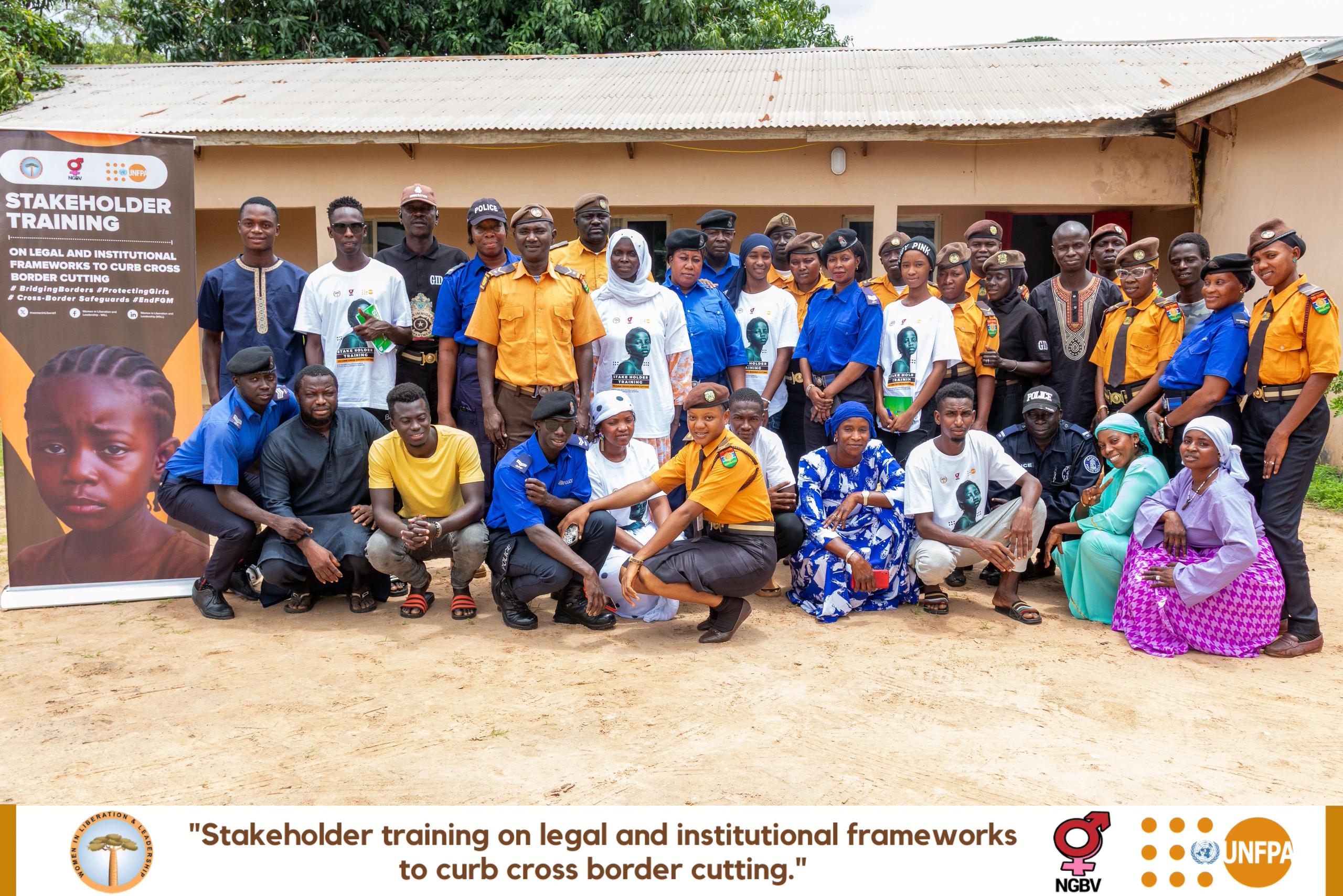
In a significant step toward combating cross-border Female Genital Mutilation (FGM) and gender-based violence (GBV), Women in Liberation and Leadership (WILL) has successfully conducted a capacity-building training program for stakeholders in The Gambia’s North Bank and West Coast Regions. Funded by the United Nations Population Fund (UNFPA) and Agenzia Italiana per la Cooperazione allo Sviluppo – Ufficio di Dakar, the initiative aims to curb harmful practices and strengthen protections for girls and women in vulnerable border communities.
The training, titled “Training of Stakeholders in Border Communities on the Legal and Institutional Framework on GBV, Harmful Practices, and Immigration to Curb Cross-Border Cutting of Girls,” brought together 60 participants—30 from each region. Drawn from five communities in both the North Bank and West Coast Regions, attendees included immigration officers, police, officials from the State Intelligence Services, and civil society representatives. These key actors, operating in border areas, are critical to addressing the challenges of cross-border FGM and GBV, where enforcement of laws is often weak, and awareness of legal protections is limited.
The program focused on equipping participants with comprehensive knowledge of national and international legal frameworks surrounding GBV, harmful traditional practices, and immigration laws. Sessions emphasized the roles of institutions, effective referral pathways, and the need for cross-border collaboration, particularly with neighboring Senegal, to enhance protections for girls and women. By fostering a deeper understanding of these frameworks, WILL seeks to empower frontline actors to prevent abuse, challenge harmful practices, and uphold human rights in their communities.
Border communities in The Gambia face unique challenges due to their proximity to Senegal, where differing legal and cultural practices can complicate efforts to combat FGM and GBV. Weak enforcement mechanisms and limited awareness of legal protections often allow perpetrators to exploit cross-border movement, putting girls at risk of “cross-border cutting” and other forms of abuse. The training addressed these vulnerabilities by promoting coordinated efforts among stakeholders and emphasizing the importance of institutional accountability.
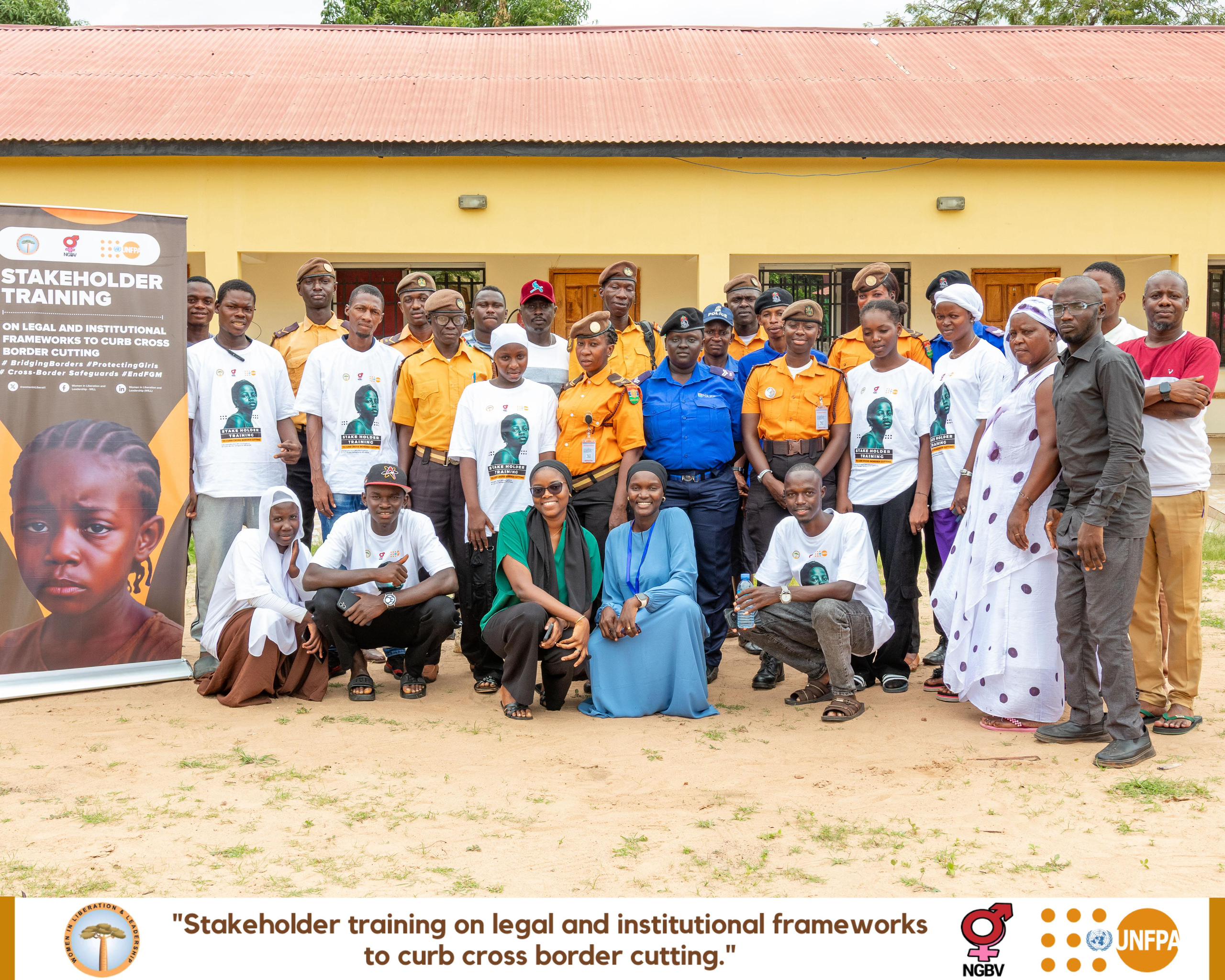
Participants gained practical tools to identify and respond to cases of GBV and FGM, including how to navigate referral systems to ensure survivors receive timely support. The training also highlighted the importance of community engagement in challenging deeply rooted cultural norms that perpetuate harmful practices. By fostering dialogue and collaboration, WILL aims to create a network of informed and proactive stakeholders capable of driving change in their communities.
WILL’s initiative aligns with its broader mission to advance gender equality and promote legal literacy across The Gambia. The organization has been a steadfast advocate for eradicating FGM and other forms of GBV, recognizing that education and empowerment are key to dismantling systemic inequalities. “This training is a critical step in ensuring that no girl is left behind in the fight against cross-border FGM and gender-based violence,” said a WILL in a statement at the end of the training. “By strengthening the capacity of those on the frontlines, we are building a safer, more equitable future for women and girls.”
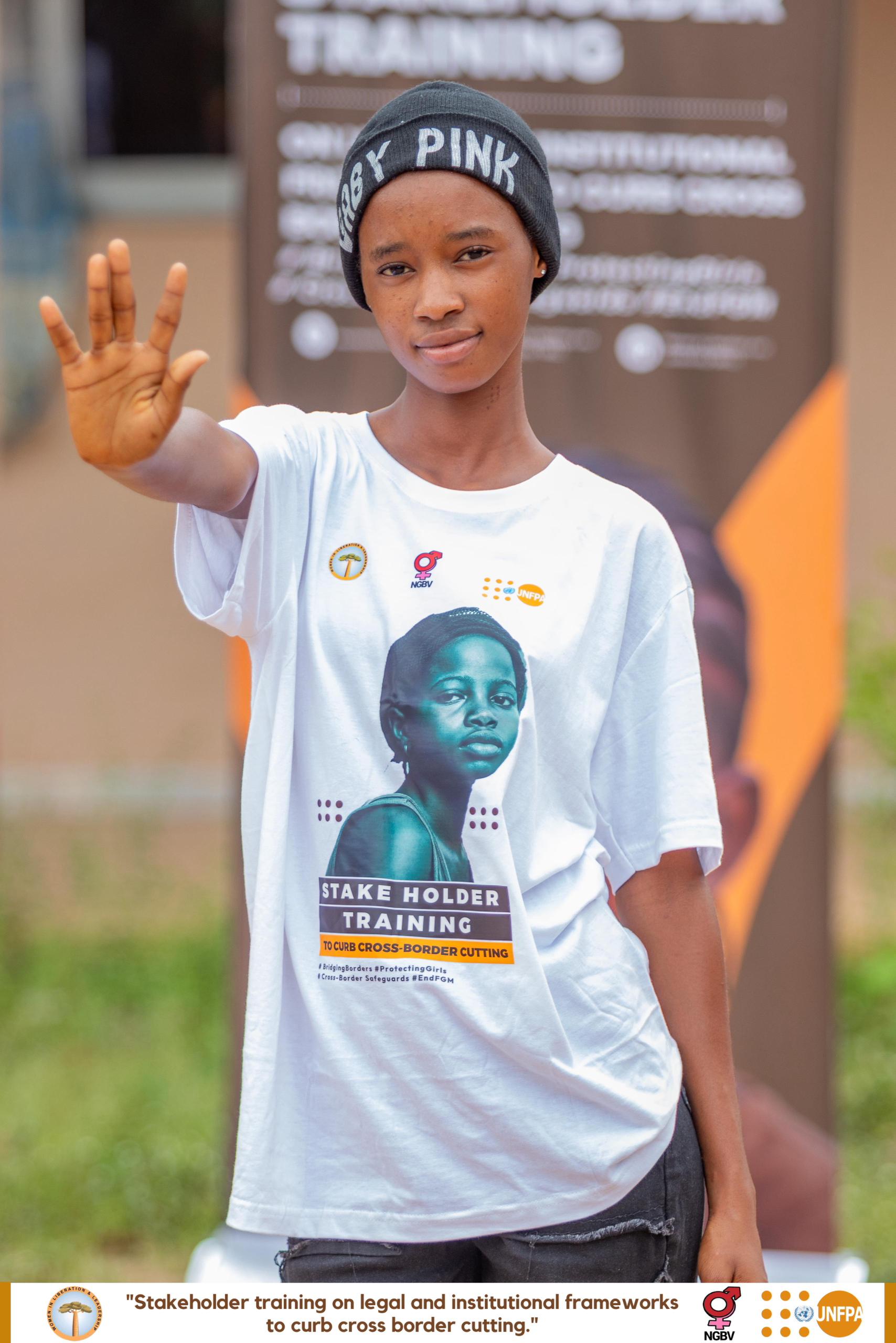
The program’s impact is expected to extend beyond the training sessions, as participants return to their communities equipped to share knowledge and implement strategies to combat GBV and FGM. WILL plans to continue its efforts through ongoing partnerships with local and international organizations, ensuring sustained progress in the fight against harmful practices.
As The Gambia continues to grapple with the challenges of cross-border FGM and GBV, initiatives like WILL’s training program offer hope for meaningful change. By empowering stakeholders and fostering cross-border collaboration, the organization is laying the groundwork for a future where the rights of girls and women are protected, and harmful practices are relegated to the past.