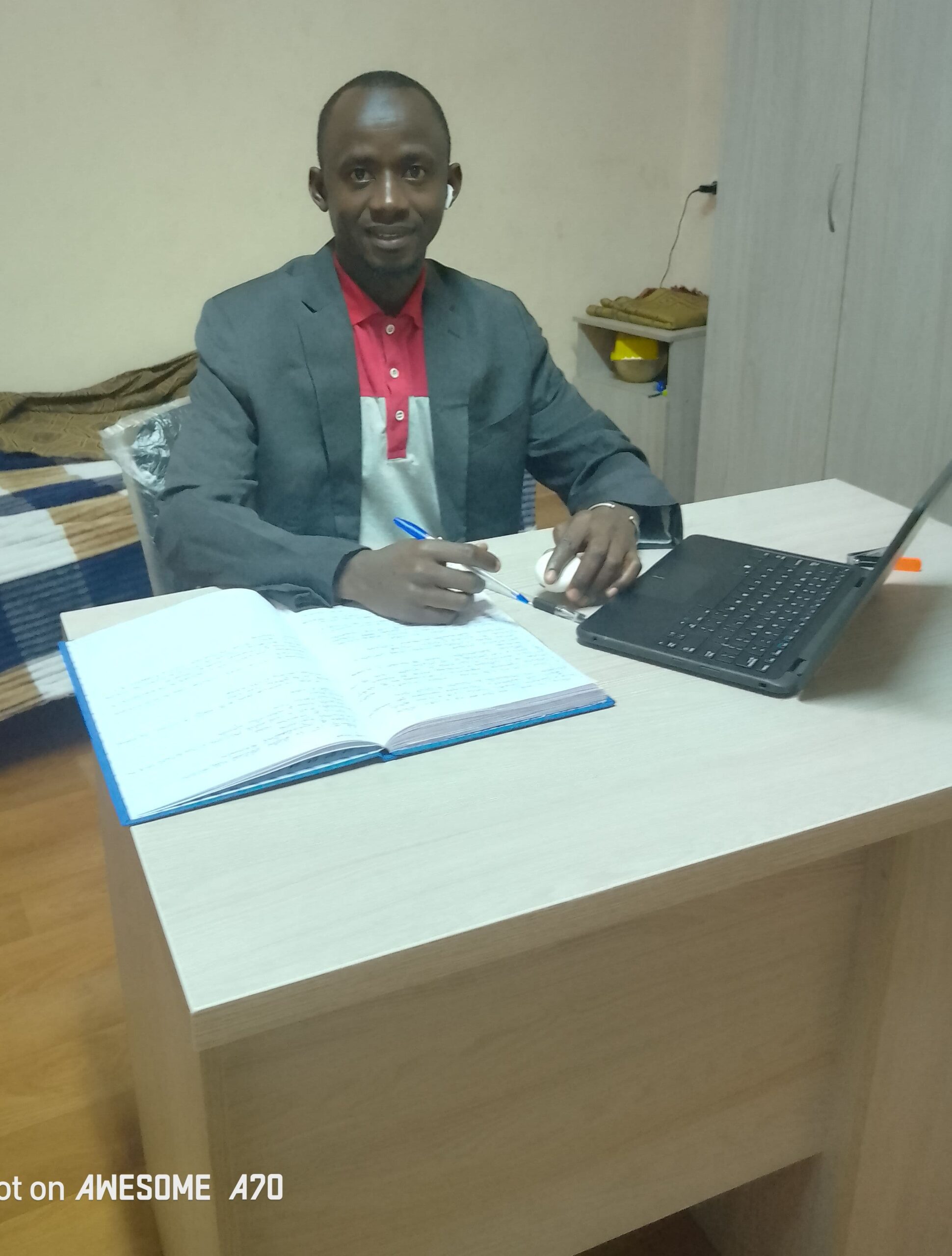
By: Abdoulie Mustapha Dahaba
As we stand at a crossroads today, reflecting on the state of The Gambia, there is an urgent need to confront uncomfortable truths. The nation grapples with a persistent array of challenges—rampant corruption, nepotism, tribal sentiments, rising crime, institutional failures, and an ever-increasing cost of living. These interconnected issues undermine the social fabric and hinder the development that young Gambians rightfully deserve. In acknowledging these harsh realities, The Gambia owes an apology to its future generation for the burdens they are about to inherit.
Corruption remains one of the most corrosive forces eroding trust in public institutions. When governance prioritizes personal gain over public good, it weakens the foundations of democracy and equitable progress. Now days, corruption seems administratively constated, leading to flattering of institutional efficiency and credibility. Resources meant for public development are siphoned away, leaving future Gambians with subpar services and fewer opportunities.
Nepotism and tribalism further fracture society by fostering division rather unity. Favoritism based on family ties or ethnic allegiance undermines meritocracy and disenfranchises talented individuals from marginalized communities. This divisiveness threatens social cohesion and stunts national growth by limiting talent and innovation. Sadly, government mechanized divisive politics, formatting public energy towards hating one another while some officials continue doing some administrative ills to secure their tenure in offices.
Crime, both a symptom and catalyst of these systemic failures, jeopardizes the safety and dignity of citizens. When law enforcement and judiciary systems falter, not only does crime flourish, but citizens also lose faith in their protectors. The resulting insecurity reduces quality of life and economic prospects, impacting future generations’ ability to thrive.
Institutional failures compound these problems. Weak rule of law, lack of accountability, and inefficiencies in government agencies stifle progress and waste public resources, strengthening institutions must be prioritized to ensure transparent governance and equitable service delivery to all Gambians.
The high cost of living, fueled by economic instability and inadequate policy responses, further dims the horizon for many families. As prices for basic goods and services rise, many Gambians struggles to meet their daily needs. For young people, this economic pressure restricts access to quality education, healthcare, and decent employment, deepening the cycle of poverty and limiting prospects for upward mobility. As a result, young people venture into a lot of societal ills such as car drifting, drug addiction etc.
To its future generation, The Gambia must acknowledge these failings and the heavy toll they impose. Apologizing is not merely symbolic; it is call for urgent national reflection and reform. The path forward requires collective will to combat corruption, dismantle nepotism and tribal biases, strengthen institutions, improve economic conditions, and build a safer society.
Only by confronting these challenges head-on can the government hope to leave a legacy of hope and opportunity. The country’s youth deserve a future unburdened by the mistakes of today—a future where democracy, equality, justice, and prosperity are not just promises but lived realities. The apology is owed, but more importantly, decisive action is demanded.
The present must rightly own its shortcomings so the future can rise stronger and more united, fulfilling The Gambia’s true potential as a thriving, inclusive nation.
Unfortunately, insects that spoil crops are in the leaves!
Abdoulie Mustapha Dahaba
MA in International Relations and Strategic Thinking
Lobachevsky State University, Russia