By Sainabou Sambou
In the heart of Basori Village, where dusty trails wind through the bush, Mariama Camara is cultivating more than crops—she’s growing a legacy of resilience and self-reliance. “I didn’t know anything about farming, but my father told me, ‘Before going to China, try agriculture. Work hard, and you will succeed.’ Those words changed my life,” Mariama shared in an exclusive interview with The Alkamba Times, her voice brimming with determination.
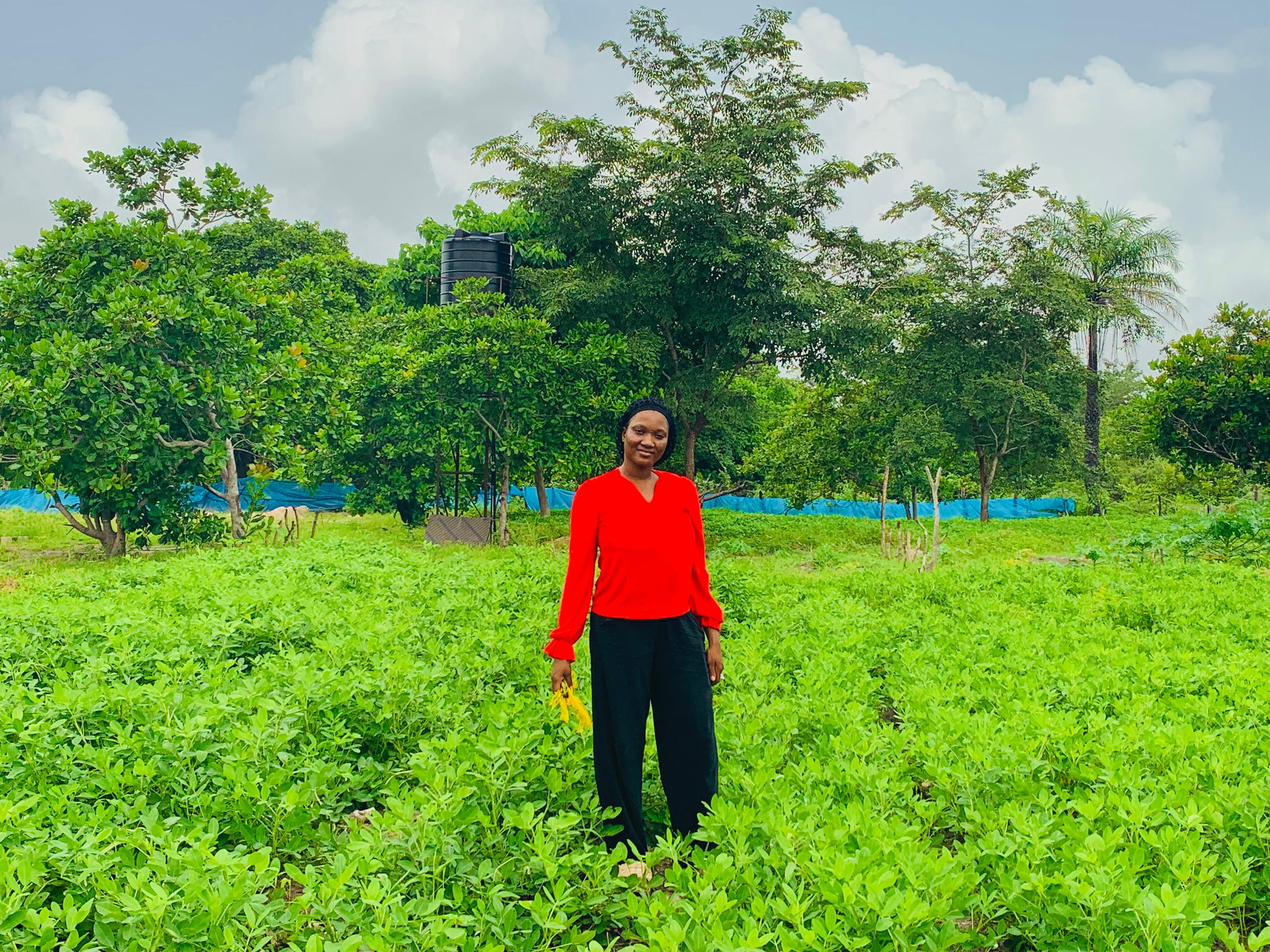
Once a mini-market owner with dreams of sourcing goods from China, Mariama’s life took an unexpected turn when her father invested 500,000 dalasi in a hectare of land in Basori. Despite her lack of farming experience, she embraced the challenge, transforming a tree-filled plot into a thriving agricultural hub. Today, her farm, located far from the nearest village and accessible only by rugged dirt roads, stands as a testament to her grit and vision.
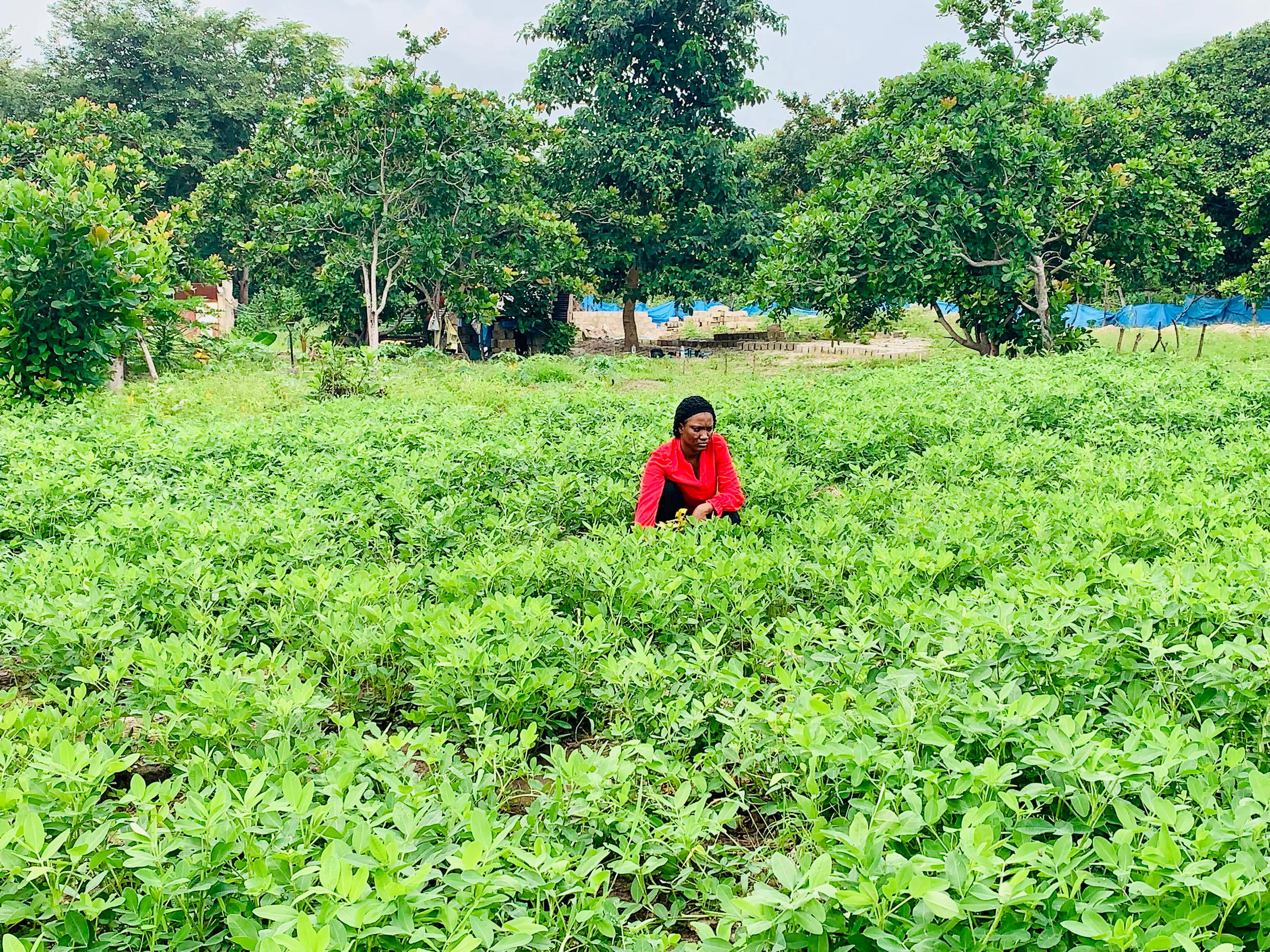
Mariama’s journey began with significant hurdles. The land, measuring 100 by 100 meters, required extensive clearing. “I paid for tractors to clear it and drilled a borehole for water,” she said, noting that her total investment, combined with her father’s, has surpassed one million dalasi. The remote location posed additional challenges, particularly in hiring workers. “My first employee was so scared he almost left on the first day,” she recalled with a laugh. Yet, Mariama persevered, balancing her roles as a wife, mother, and farmer. “Venturing into agriculture while taking care of my children is very challenging. Sometimes I take the risk and leave them at home to work,” she admitted.
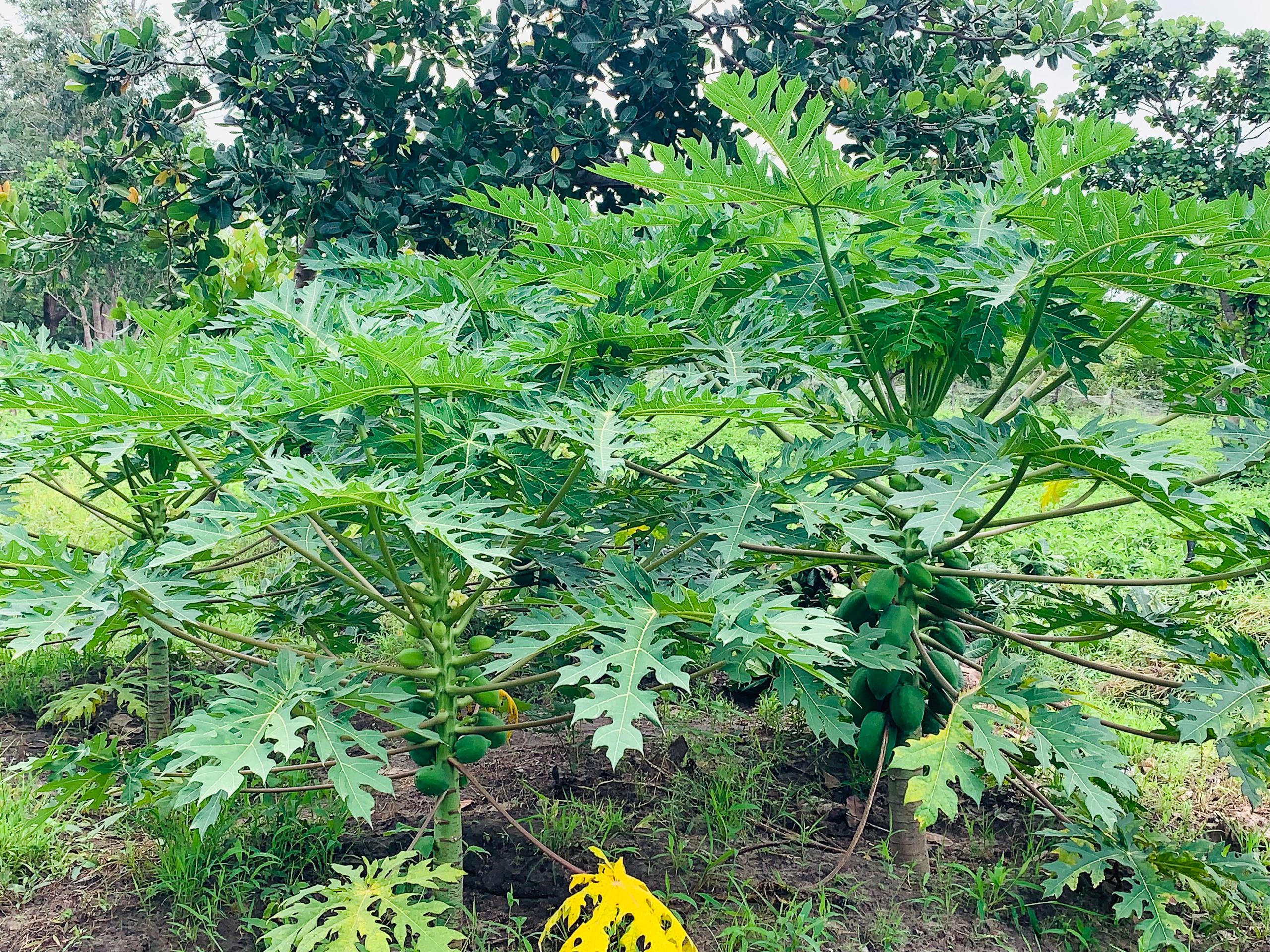
Her farm now boasts a diverse range of operations. Last year, Mariama cultivated okra and cucumber, and this year, she planted groundnuts and maize to enrich the soil for future crops. She also grows avocados, pawpaws, bananas, and oranges, selling both fruit and nursery plants. Beyond crops, Mariama operates a poultry farm and raises goats and sheep, generating multiple revenue streams. Her strategic investments have paid off, enabling her to support her family independently. “Farming has really changed my life. I don’t have to depend on anyone,” she said proudly.
Before agriculture, Mariama ran a mini-market in Salagi, but rising rent and spoiled goods made it unsustainable. Farming offered a fresh start, and social media, particularly TikTok, has become a powerful tool for reaching customers across The Gambia. “It’s helped me connect with buyers and grow my business,” she said. Looking ahead, Mariama dreams of expanding her farm, investing in modern equipment, and employing more Gambian youth to combat unemployment.
However, challenges remain. Mariama is seeking support to fence her farm to protect her crops from animals and trespassers. “Fencing is important to secure my investment and future,” she explained, appealing to the government and community for assistance. Despite her success, she faces criticism from some who question her choice to stay in The Gambia while her family lives in Europe. Mariama remains undeterred. “People say I’m stubborn, but I’m working for my children’s future. I can’t sit here doing nothing,” she said firmly.
Her employee, Alagie Kanteh, credits Mariama’s farm with transforming his life. “I came from Senegal to support my family. If it weren’t for this work, I could have ended up on the streets,” he said. “Mariama is a good boss; she works with me. This job lets me provide for my family without begging.”
Mariama’s story is one of courage and transformation. From a struggling shopkeeper to a pioneering farmer, she has turned her father’s advice into a thriving enterprise that supports her family and inspires her community. Her journey highlights the potential of agriculture to drive economic empowerment in The Gambia, particularly among women and young people.
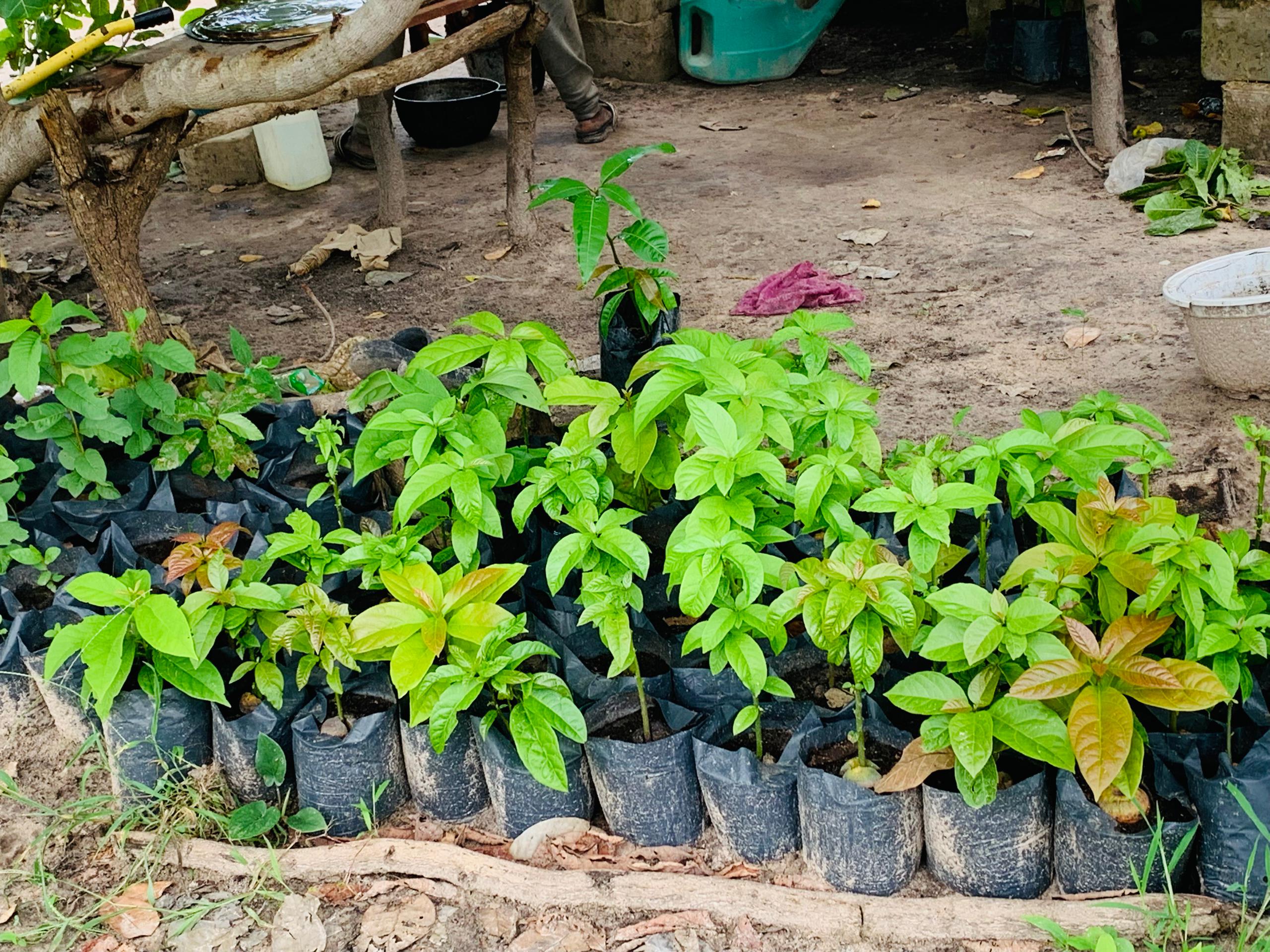
As Mariama looks to the future, she urges young Gambians to pursue their dreams with determination and calls for greater support for farmers. “With infrastructure, fencing, and access to modern equipment, we can build thriving enterprises that benefit entire communities,” she said. Her farm in Basori is more than a business—it’s a beacon of hope, proving that with hard work and vision, dreams can take root and flourish, even in the most challenging terrain.