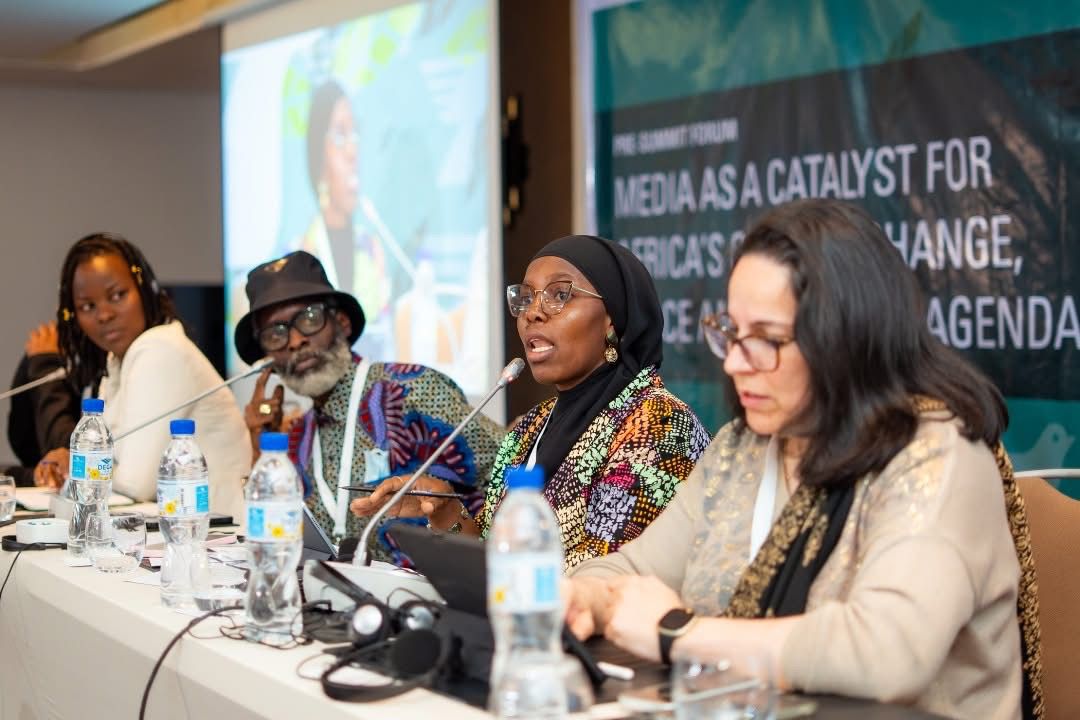
African journalists have been called upon to place their profession at the heart of the continent’s climate, peace, and security agenda as Africa prepares to present its Common African Position at the COP30 climate summit in Brazil. The directive emerged from a high-level pre-forum held in Addis Ababa, ahead of the Second African Climate Summit (ACS2), emphasizing the pivotal role of media in driving climate justice and a just transition.
Co-convened by the African Union Commission’s Department of Political Affairs, Peace and Security, and the Federation of African Journalists (FAJ), with support from Oxfam and German Development Cooperation (GIZ), the event gathered over 40 journalists, policymakers, and civil society representatives. Under the theme “Media as a Catalyst for Africa’s Climate Change, Peace and Security Agenda: Driving Just Transition and Climate Justice,” discussions highlighted the urgent need for accurate, impactful reporting to address the continent’s intersecting crises.
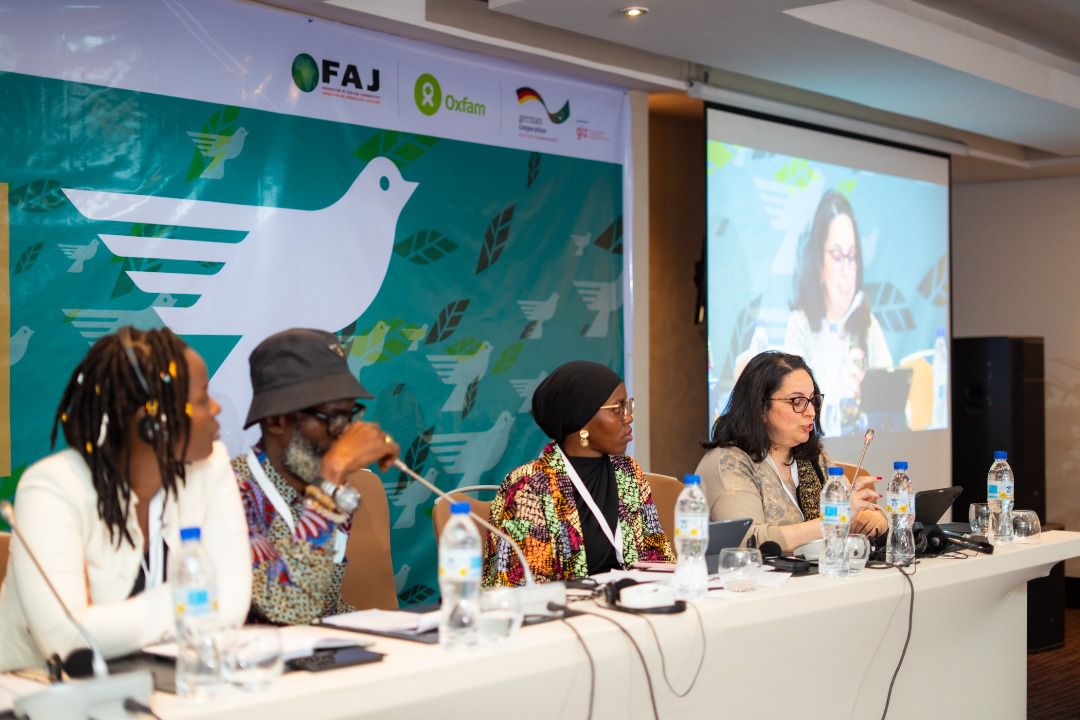
Isatou Keita, the President of the Gambia Press Union, represented the Gambia Journalists at the Addis Ababa meeting.
Africa, despite contributing the least to global greenhouse gas emissions, bears the brunt of climate change’s devastating effects. Prolonged droughts in Somalia, desertification in the Sahel, the shrinking of Lake Chad, and catastrophic floods in Libya were cited as stark examples of how environmental shocks exacerbate poverty, weak governance, and conflict.
Dr. Richard Muyungi, Chair of the African Group of Negotiators on climate change, underscored the media’s role in fostering resilience. Journalists are central to this effort. When information is trusted and timely, it can reduce tensions, guide early action, and support fair policies,” he said.
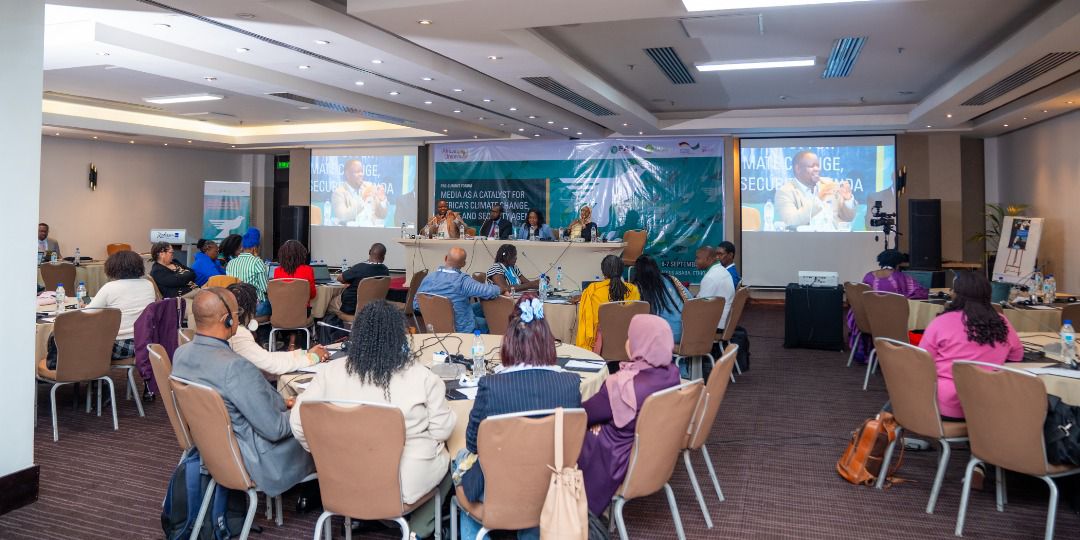
The African Union reinforced this message, with Dr. Philip Attuquayefio, representing the Commissioner for Political Affairs, Peace and Security, Ambassador Bankole Adeoye, stressing that journalists are not mere bystanders. “Journalism shapes narratives, amplifies the voices of the most vulnerable, and holds leaders accountable,” he said, noting that empowered journalists strengthen societies by providing accurate, public-interest information.
The Federation of African Journalists unveiled its Action Plan on climate justice and transition, committing to mobilize journalists to track climate finance, expose harmful practices, and ensure vulnerable groups are included in transition policies.
FAJ President Omar Faruk Osman highlighted the risks journalists face in documenting climate shocks. Journalists are often the first to report crises in real time, at great personal risk. This forum invests in their safety and skills to tell accurate stories, challenge harmful narratives, and support solutions for peace, security, and resilience,” he said.
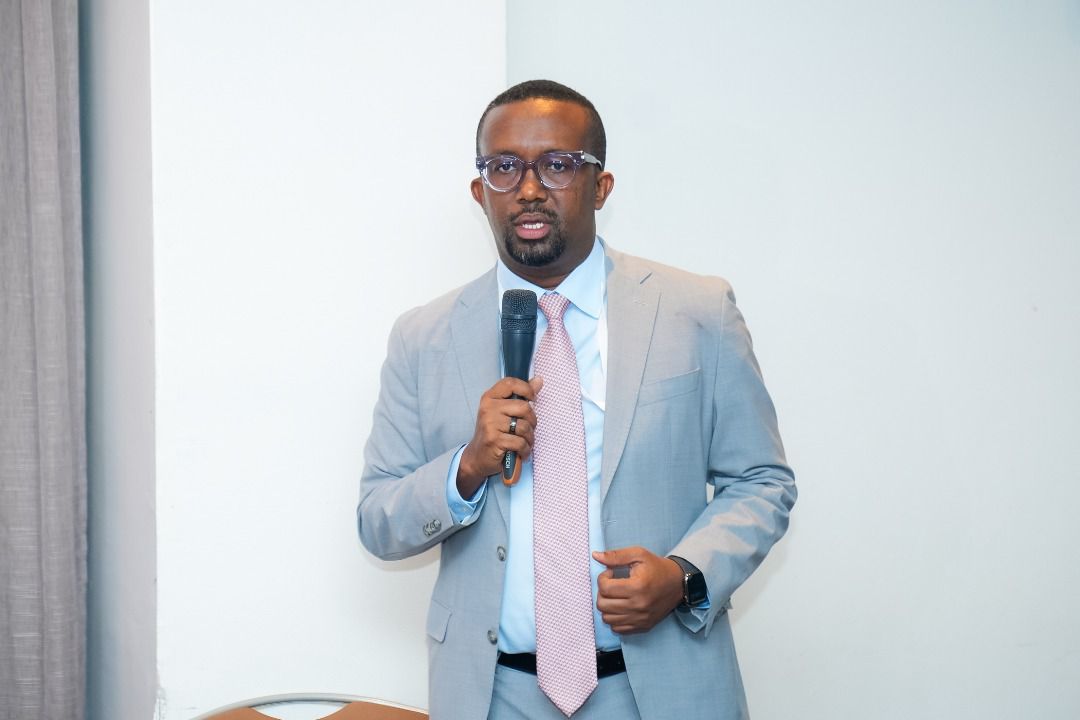
The International Federation of Journalists (IFJ) pledged solidarity with its African members, with General Secretary Anthony Bellanger emphasizing media freedom’s role in accountability. “Journalists ensure adaptation plans, efforts to tackle climate insecurity, and just transition policies do not leave workers or vulnerable groups behind,” he said, affirming IFJ’s support for FAJ’s climate agenda.
International partners echoed the media’s critical role. Pascal Delisle, representing the European Union, warned of the threat of disinformation to climate action, pledging continued EU support for African journalists as the AU–EU partnership celebrates 25 years.
Elise Nalbandian, Head of Oxfam’s African Union Liaison Office, noted that journalists shape public understanding and political will by highlighting disproportionate impacts and showcasing solutions. Rebecca Minkus of GIZ reaffirmed the organization’s commitment to amplifying African voices through partnerships with the AU and journalists, emphasizing resilience and trusted information.
Over two days, participants tackled contentious issues and shaped a declaration for COP30. Key outcomes included developing editorial standards for reporting on climate, peace, and security; establishing a continental journalists’ network; expanding investigative reporting on climate finance; and scaling up safety and capacity-building programs for reporters. These measures aim to ensure African journalists are equipped to tell the continent’s climate story with authority and impact.
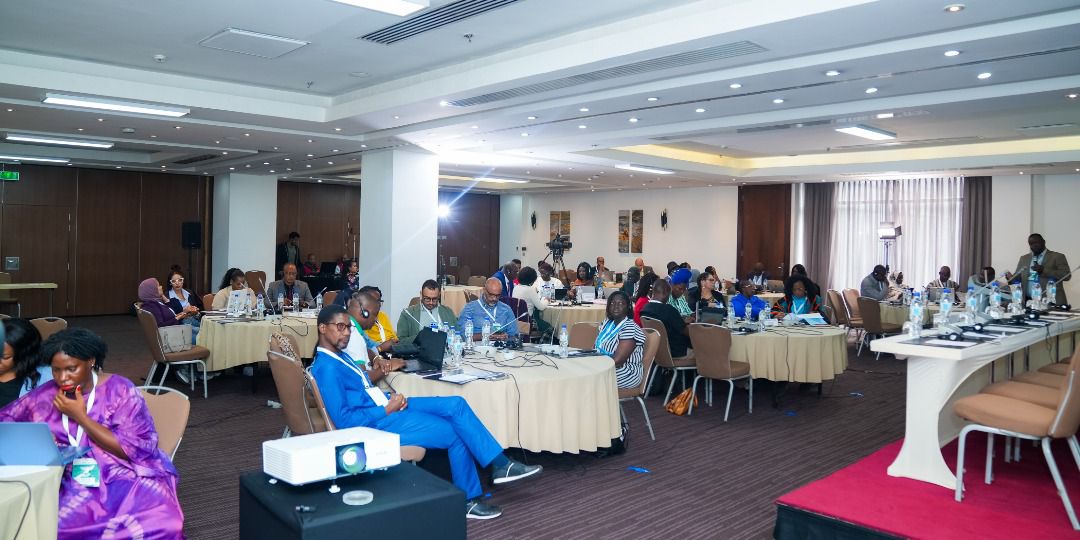
As the forum concluded, delegates unanimously agreed that Africa’s climate narrative must be told by Africans themselves. With COP30 approaching, the media’s role in amplifying the continent’s voice, holding leaders accountable, and advocating for climate justice has never been more critical. By equipping journalists with the tools, safety, and platforms needed, Africa aims to ensure its priorities—climate resilience, peace, and security—are central to global discussions.
The pre-forum’s outcomes signal a bold step toward empowering African journalists to shape a narrative that not only highlights the continent’s challenges but also champions its solutions, ensuring a just and resilient future for all Africans.