By Ebrima Mbaye
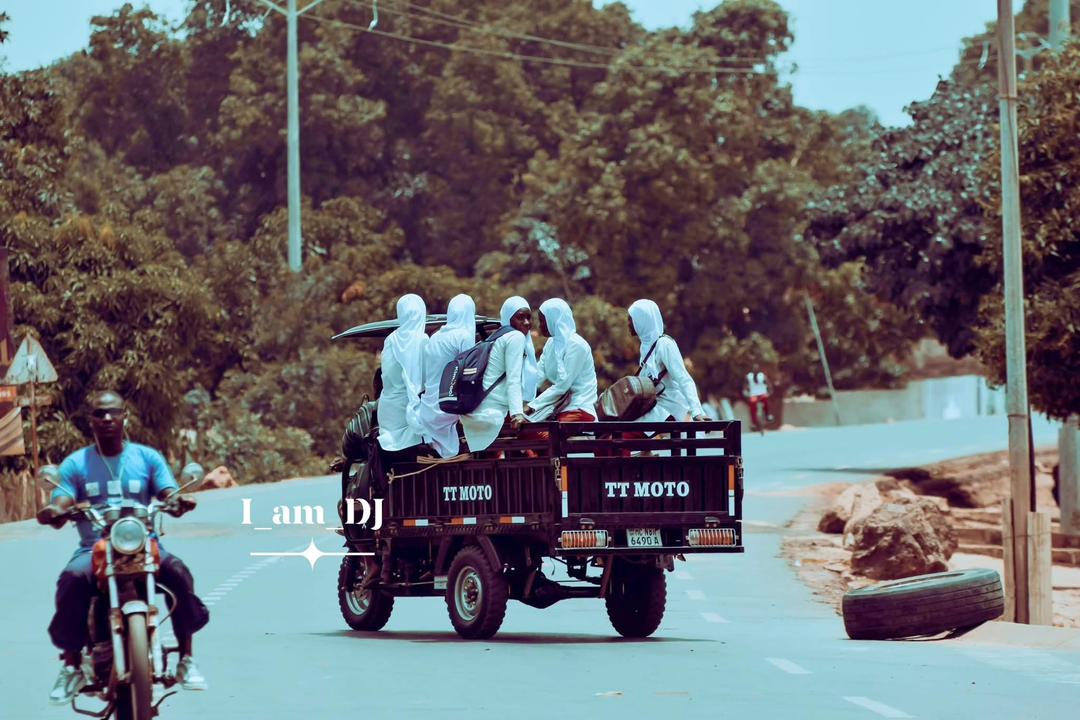
As schools reopen across The Gambia, the morning commute transforms roads into battlegrounds of delay and determination. In urban centers like the Greater Banjul Area, yellow taxis, minibuses, and private cars clog streets by 7:30 a.m., their horns and shouting apprentices creating a chaotic symphony. For rural students, the challenge is not traffic but vast distances, scarce transport, and grueling walks. For both, the journey to school is a daily test of resilience, costing precious learning time and energy.
In Kanifing, Grade 11 student Fatou Jallow leaves home at 6:45 a.m. but often arrives late. “By the time I enter class, the first lesson has started,” she says. “It makes me feel left behind.” Urban parents rely on available vehicles, but relentless traffic jams steal hours from their children’s education. The congestion in Greater Banjul not only delays students but also strains their focus and academic performance.
In rural Lower Fuladu West, the obstacles are even steeper. With only two senior secondary schools—Brikamaba and St. Therese’s in Fulabantang—students from surrounding villages face punishing treks to attend classes.
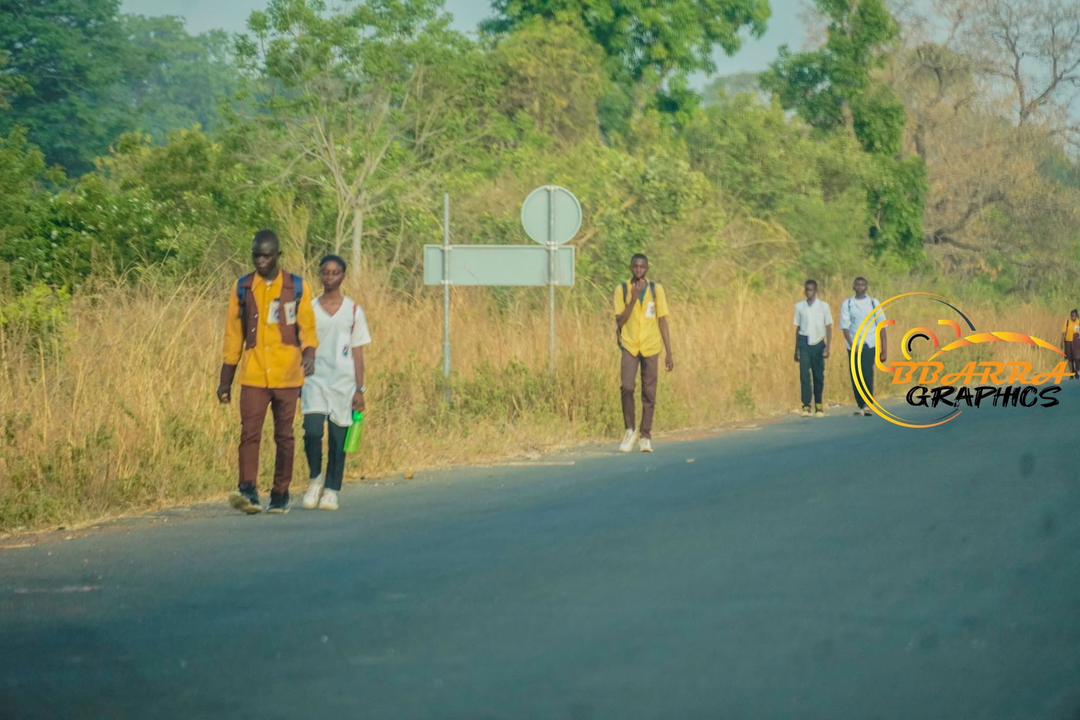
PC: Lamin B. Barra
Lamin Ceesay, a student from Fulladu Tabanani, walks 3-4 kilometers daily. “By the time I sit in class, I’m already exhausted,” he says. Occasional motorbike or vehicle rides offer relief, but they’re unreliable.
Awa Camara, a student at St. Therese’s, depends on her bicycle, but breakdowns force her to walk, causing her to miss lessons. “Catching up is hard,” she admits.
Teachers feel the ripple effects. In urban schools, overcrowded classrooms often see students arriving late, disrupting lessons.
In rural areas, teachers like Ebrima Jallow delay classes to accommodate students arriving from distant villages. “Punctuality shapes discipline and learning,” Jallow explains. “Late or exhausted students participate less, and their results suffer over time.” The cumulative impact undermines academic outcomes and classroom dynamics across The Gambia.
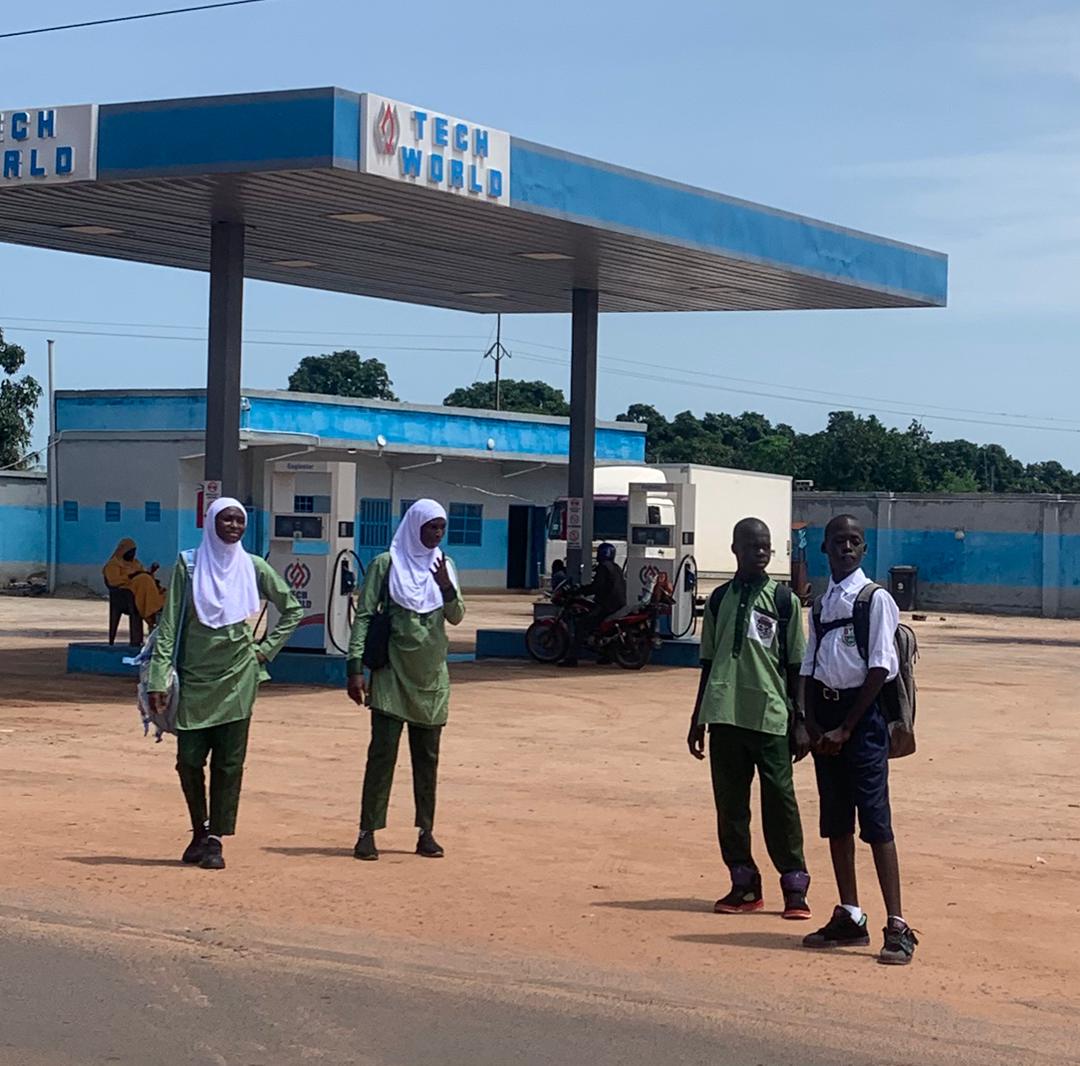
The Ministry of Basic and Secondary Education (MoBSE) recognizes these challenges as part of broader systemic issues. To address these issues, MoBSE and its partners are deploying innovative solutions. In June 2025, Child Fund The Gambia, with support from the Education Above All Foundation through UNICEF and EFaNET, delivered 1,040 bicycles to MoBSE under the Zero Out of School Children (ZOOSC) project. This follows earlier distributions of 500 bicycles in December 2023 and 1,000 in August 2024, totaling 1,500 bicycles pledged. “MoBSE data shows some children are out of school due to lack of transport,” said Musu Kuta Comma, Child Fund’s Country Director, at the Kanifing handover ceremony. “Bicycles will ease that barrier and boost enrolment.”
Stakeholders, including UNICEF’s Emily Jobe and MoBSE’s Deputy Permanent Secretary Adama Jimba Jobe, praised the initiative for enabling students to “realize their potential” through education. The bicycles aim to bridge the gap for rural students, who face challenges such as dust, fatigue, and distance, unlike their urban peers, who have access to vehicles, albeit delayed by traffic.
The urban-rural divide underscores a more profound inequality in educational access. Yet, Gambian students’ determination shines. “No matter how far I walk, I won’t stop going to school,” Lamin vows. “Education is our only hope.”
As schools reopen, the traffic-choked streets of Banjul and dusty paths of Fuladu highlight a stark reality: for Gambian students, the learning journey begins long before the first bell, demanding solutions as resilient as the children themselves.