By: Momodou Gagigo
In a day-long engagement with farmers and agricultural enthusiasts, Alpha Sey, Director of the Njawara Agricultural Training Center, passionately advocated for a shift to organic farming as a critical strategy to address the escalating climate crisis. Speaking to a diverse audience in the North Bank Region, Sey highlighted the surging demand for chemical-free produce and the potential for increased profitability as key incentives for farmers to transition from conventional methods.
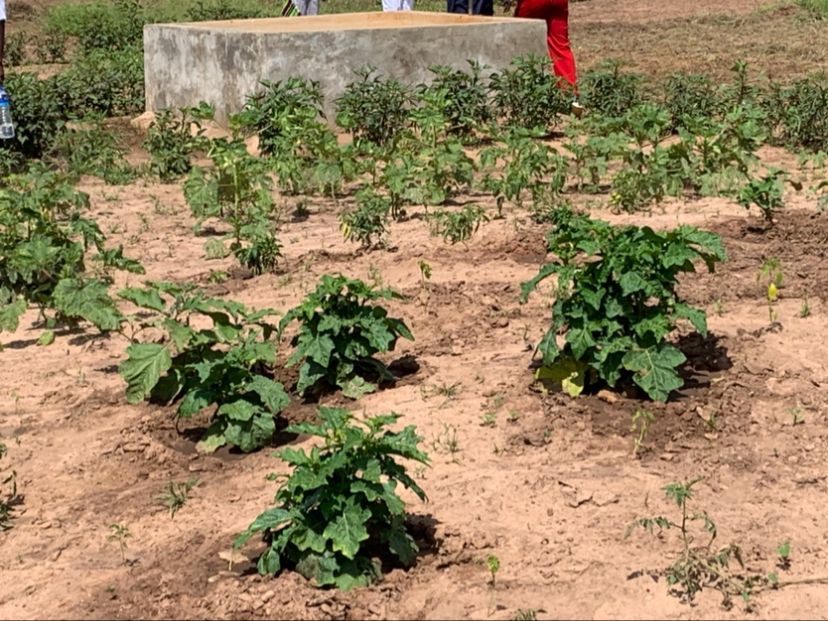
Sey emphasized the transformative potential of organic farming, highlighting ongoing projects that support farmers, particularly women, by providing vegetable gardens and organic fertilizer processing facilities. “We can do a lot to build resilience,” Sey declared, outlining initiatives designed to reduce reliance on costly chemical inputs. “Our current projects, like the vegetable garden, are supporting women to cut costs by avoiding chemicals for pest and disease treatment and soil fertility. This is going to change the dynamics in agriculture.”
The director underscored the need for farmers to view agriculture as a profitable business, urging them to invest wisely in inputs to maximize returns. “We cannot do much to avert climate change, but we can do a lot to build resilience,” Sey noted, emphasizing the role of sustainable practices in creating a robust agricultural sector capable of withstanding environmental challenges.
Matel Bah, a beneficiary of the initiative, shared her transformative experience with organic farming. “This initiative has saved me a huge amount of money,” Bah said. “Before organic fertilizers, I spent nearly half my harvest earnings on pesticides and chemical fertilizers.” She added that organic methods not only reduced her costs but also produced healthier, longer-lasting crops, boosting both her income and food security.

The push for organic farming is gaining momentum across the region, with 54,000 tons of organic fertilizers distributed in the North and Central River Regions. This effort is part of a broader strategy to establish an agroecology platform to strengthen climate change mitigation measures. By promoting sustainable practices, the initiative seeks to create a resilient agricultural ecosystem that supports both the environment and local livelihoods.
Sey’s call to action resonates amid intensifying global climate challenges, as erratic weather patterns and soil degradation threaten food security. Organic farming, with its emphasis on natural inputs and sustainable practices, offers a viable path forward. The initiative’s focus on empowering women farmers further amplifies its impact, fostering economic independence and community resilience.
As the Njawara Agricultural Training Center continues to champion organic farming, the region is poised to become a model for sustainable agriculture. Sey’s vision is clear: by embracing organic methods, farmers can not only adapt to the climate crisis but also thrive in an increasingly eco-conscious market. The distribution of organic fertilizers and ongoing support for farmers signal a promising step toward a greener, more resilient future for agriculture in the North Bank Region and beyond.