By Alieu Ceesay
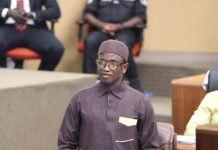
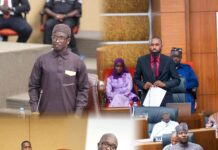
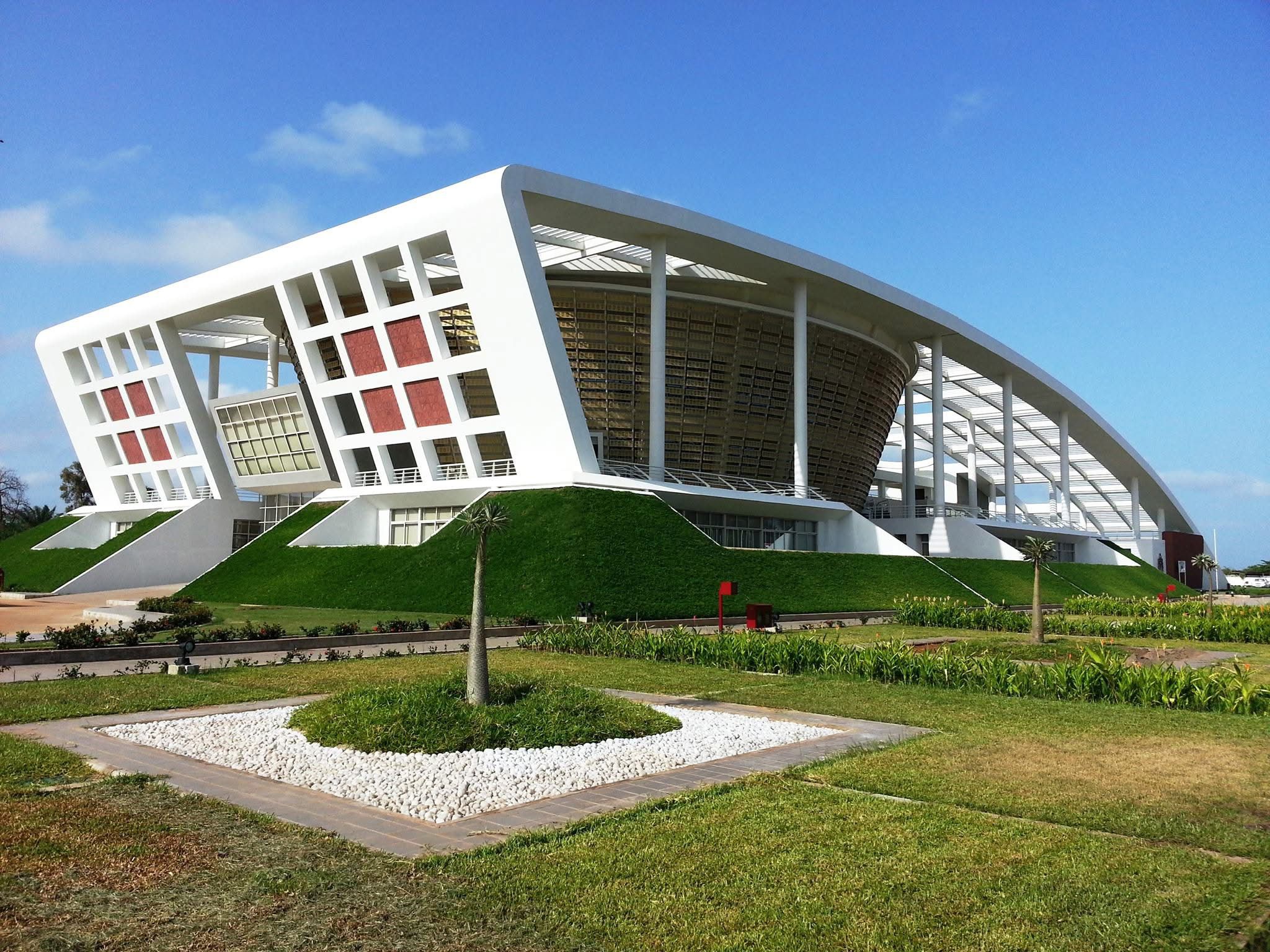
Gambia’s National Assembly erupted into fierce debate on Wednesday as lawmakers tore into the proposed 2026 national budget, labeling it everything from a “failed” document to a blatant “election budget” ahead of the anticipated 2026 presidential polls.
Finance and Economic Affairs Minister Seedy Keita tabled the estimates in October 2025, with the government touting a budget heavily reliant on grants (97.5%) and loans (2.5%). Lawmakers, however, demanded a more inclusive plan that truly reflects citizens’ priorities and aligns with the National Development Plan.
Hon. Lamin Ceesay (Kiang West) acknowledged increased allocations to the Office of the President and the Ministries of Basic and Secondary Education and Agriculture – a sector he praised for its role in food security and job creation. Yet he warned that recurrent expenditure still dwarfs development spending.
“I hope the government will focus and spend more on development than on consumption,” Ceesay said, urging colleagues to reject the budget if it fails to adequately address health, education, gender equality, disability inclusion, and child welfare.
Stronger criticism came from Hon. Almameh Gibba (Foni Kansala), who branded the 2026 estimates a “failed budget.” Hon. Musa Badjie (Tallingding Kunjang) went further, accusing the government of crafting an “election budget” designed to woo rural voters, particularly farmers, ahead of the upcoming presidential race.
Hon. Momodou Bah (Banjul North) raised alarm over long-term debt sustainability, calling on the Assembly to scrutinize the fiscal path’s impact on future generations. Like several colleagues, he demanded significantly higher allocations for youth empowerment and job creation.
Responding to the barrage of criticism, Minister Keita defended the government’s focus on agriculture, saying enhanced support aims “to curb inflation and boost food self-sufficiency.” He highlighted ongoing reforms across ministries and insisted the budget reflects prudent financial management through its heavy reliance on grants rather than loans.
As the debate continues into its second week, lawmakers have signaled they may send the budget back to the drawing board if their concerns over inclusivity, development orientation, and electoral motives are not addressed.