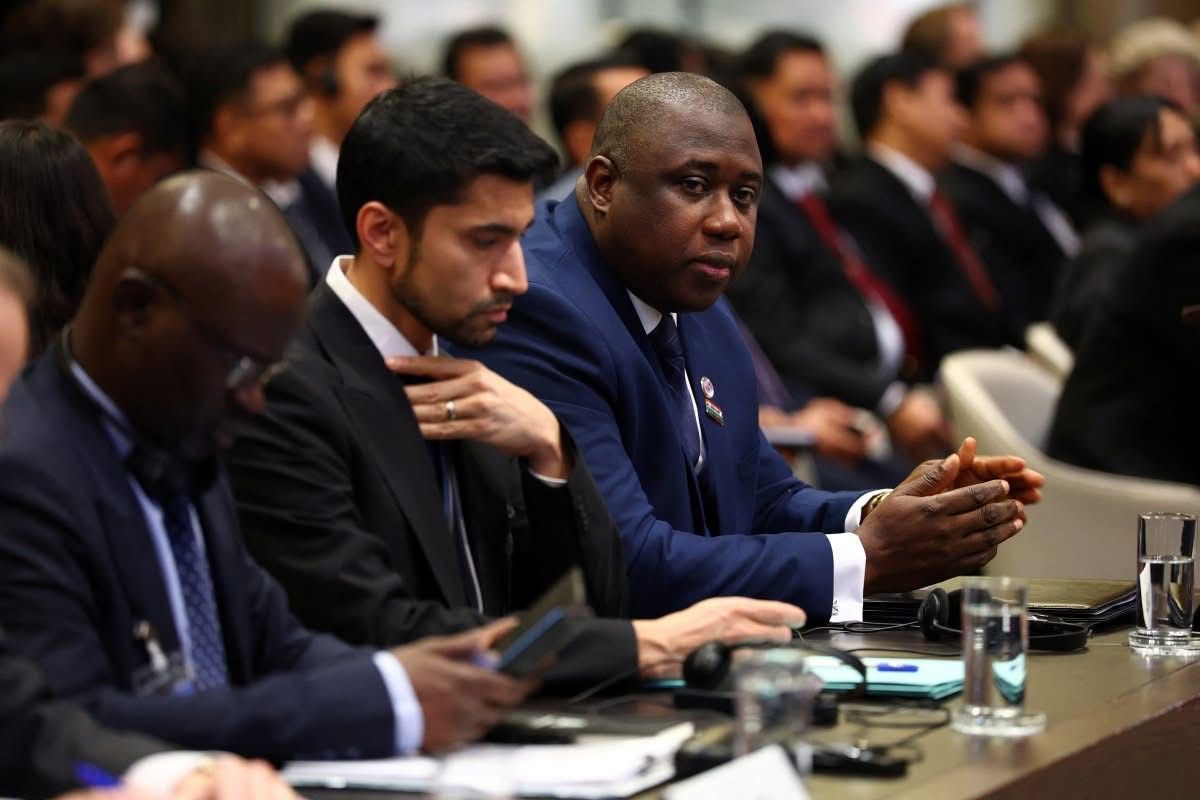
In a bold stand for international accountability, the small West African nation of The Gambia is spearheading a historic legal battle at the United Nations’ top court to hold Myanmar accountable for alleged genocide against the Rohingya Muslim minority.
Hearings in the case The Gambia v. Myanmar resumed this week at the International Court of Justice (ICJ), marking a pivotal moment in the pursuit of justice for atrocities committed nearly a decade ago.
The Gambia filed the lawsuit in November 2019 under the 1948 Genocide Convention, accusing Myanmar of breaching its obligations to prevent and punish genocide. Backed by the 57-member Organisation of Islamic Cooperation (OIC), The Gambia invoked the convention’s erga omnes principle — the idea that obligations to prevent genocide are owed to the international community as a whole, allowing any state party to enforce them, even without direct involvement.
Gambian Justice Minister and Attorney General Dawda A. Jallow opened the current merits phase on January 12, telling ICJ judges the case concerns “real people, real stories, and a real group of human beings — the Rohingya of Myanmar.” He described Myanmar’s military campaign as targeting the Rohingya for destruction through mass killings, rapes, arson, and other brutal acts intended to erase their identity and presence from the country.
The allegations stem from a 2017 military offensive in Myanmar’s Rakhine State, which a UN fact-finding mission later characterized as showing “genocidal intent.” The crackdown killed an estimated 10,000 people, displaced over 730,000 Rohingya — mostly to squalid refugee camps in Bangladesh — and involved widespread atrocities including gang rapes, village burnings, and arbitrary executions. Witnesses testified to homes set ablaze with families inside and dehumanizing rhetoric labeling the Rohingya as an “impure and subhuman race.”
The Gambia argues that Myanmar’s actions violated the Genocide Convention, which defines genocide as acts committed with the intent to destroy, in whole or in part, a national, ethnic, racial, or religious group. In 2020, the ICJ issued provisional measures ordering Myanmar to prevent further genocidal acts and preserve evidence, a ruling experts called a rebuke of then-leader Aung San Suu Kyi, who personally defended Myanmar and denied the claims.
Myanmar rejects the genocide accusations, insisting its operations targeted insurgents and that The Gambia’s evidence relies on biased reports. A government representative told the court this week that Gambia had “failed to meet its burden of proof,” framing the allegations as unsubstantiated.
The case, the first full genocide merits hearing at the ICJ in over a decade, draws support from intervening states including Canada, Germany, France, the UK, and others. Experts note its potential to influence ongoing cases, such as South Africa’s genocide allegations against Israel regarding Palestinians.
For The Gambia — a predominantly Muslim nation with no direct ties to Myanmar — the motivation is rooted in moral and legal duty. By championing the Rohingya, often called one of the world’s most persecuted minorities, The Gambia seeks to uphold the Genocide Convention’s core purpose: ensuring no state can commit or tolerate such horrors without consequences.
As hearings continue through late January, survivors and advocates hope the proceedings will deliver long-delayed accountability and set a precedent for global justice. A final ruling, expected later in 2026, could compel Myanmar to face reparations, though enforcement remains challenging amid the country’s ongoing political turmoil following the 2021 military coup.