By: Aja Dahaba
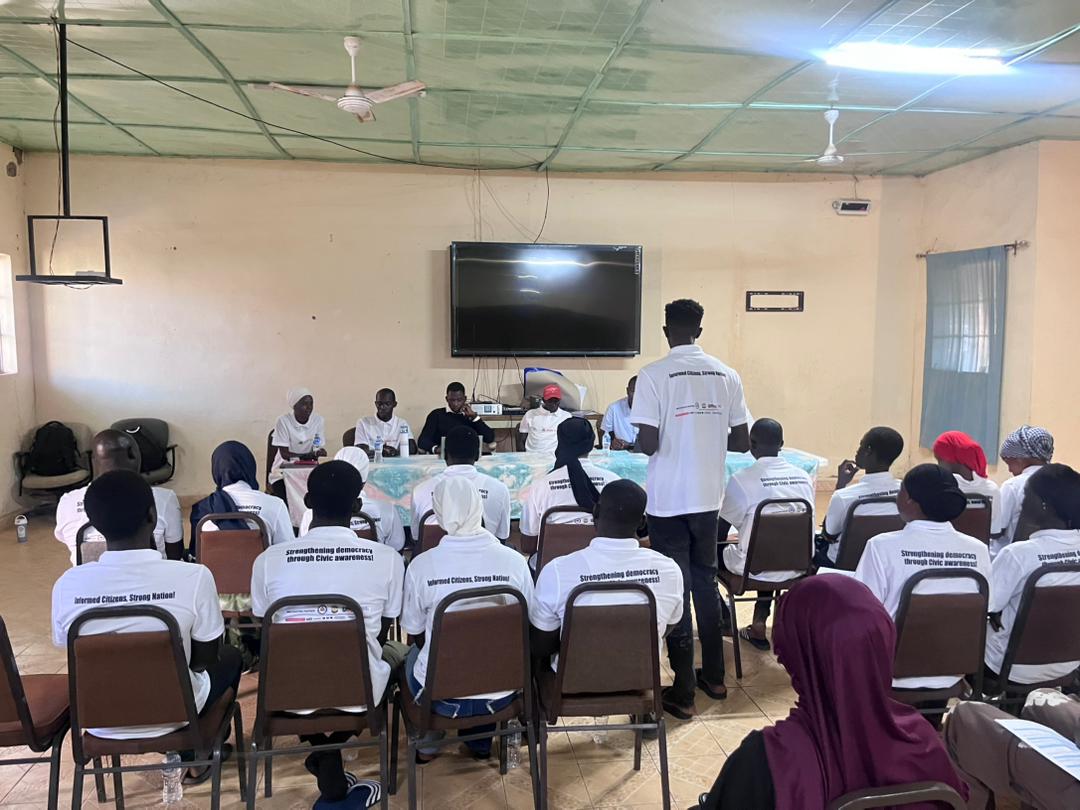
In a strategic push to cultivate informed and active citizenship, ActionAid International, The Gambia, launched a three-day training workshop on civic engagement and awareness on Monday, drawing youth leaders from across the country to Dembo Fula Lodge in Kerewan.
Funded by the UN Peacebuilding Fund, the initiative aligns with broader efforts to empower marginalized young people and strengthen inclusive civic spaces in The Gambia, especially as the nation gears up for its presidential election scheduled for December 5, 2026. With President Adama Barrow seeking a third term, the training underscores the urgency of preparing youth—who make up about 75% of the population under age 35—for constructive participation in democratic processes.
Participants, representing diverse youth organizations nationwide, are delving into key topics including civic rights and responsibilities, the role of human rights in national progress, accountability, anti-corruption measures, and good governance. The program aims to equip young leaders with the knowledge to resist manipulation, promote dialogue over violence, and advocate effectively for community and national development.
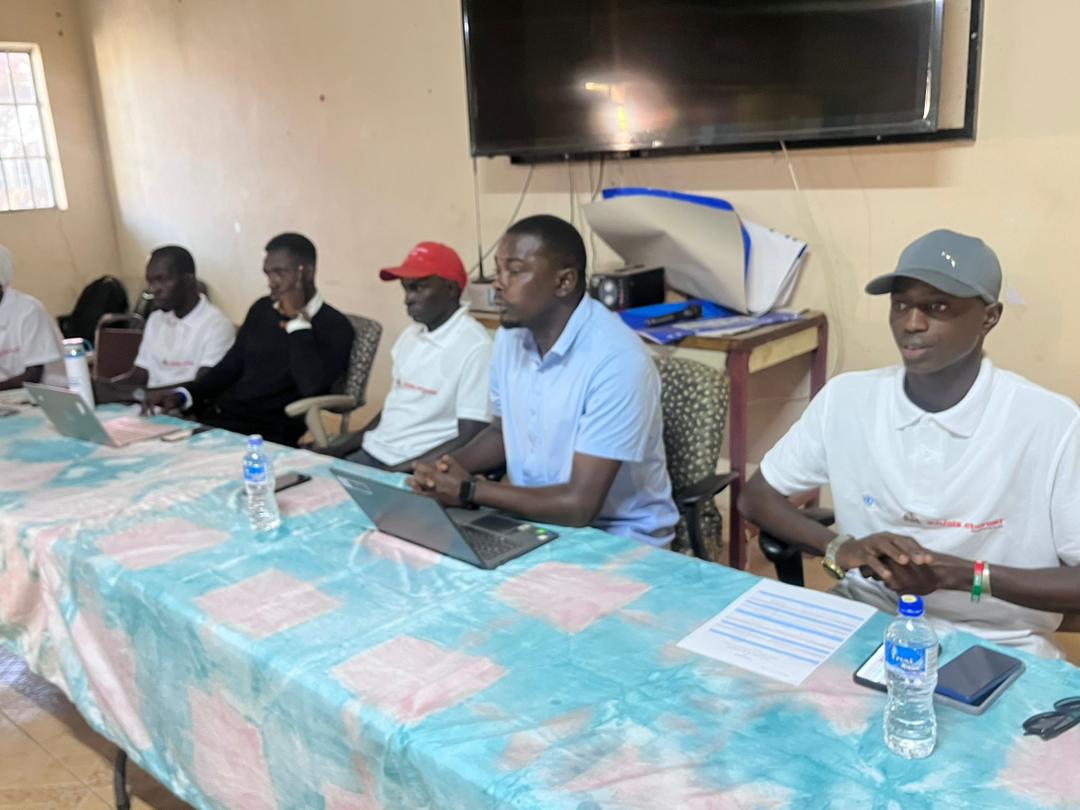
Bakary Njie, Eco Zone Coordinator at ActionAid’s LRP9, explained that this marks the second iteration of the training, building on prior efforts to heighten youth awareness on civic matters. “We believe that educating young people on civic issues will contribute to peace and stability within our communities,” Njie said.
Mustapha Sonko, Program Manager for the National Youth Service Scheme and a lead resource person, highlighted the dual nature of Gambia’s youthful demographic as both an opportunity and a challenge.
He pointed to inspiring examples from across Africa, such as civil movements led by Gen Z in Kenya, as models for peaceful engagement. “Informed and empowered youth are less susceptible to manipulation and deception,” Sonko emphasized. “The goal is to foster peaceful civil engagement in The Gambia that prioritizes dialogue over violence.”
Hon. Bukary Gaye, Deputy Speaker of the National Youth Parliament, stressed the importance of mindset transformation. He noted that national progress in other countries often stems from citizens’ active involvement in civic duties, warning that merely changing political leaders will not bring lasting change without shifts in underlying attitudes. “As youth leaders, take the initiative and inspire others in your communities to strive for a better Gambia,” Gaye urged participants.
Muhammed Kanuteh from the National Council for Civic Education reinforced the significance of youth involvement in an election year. He called on Gambian women, in particular, to avoid being misled by politicians and to take active roles in the electoral process.
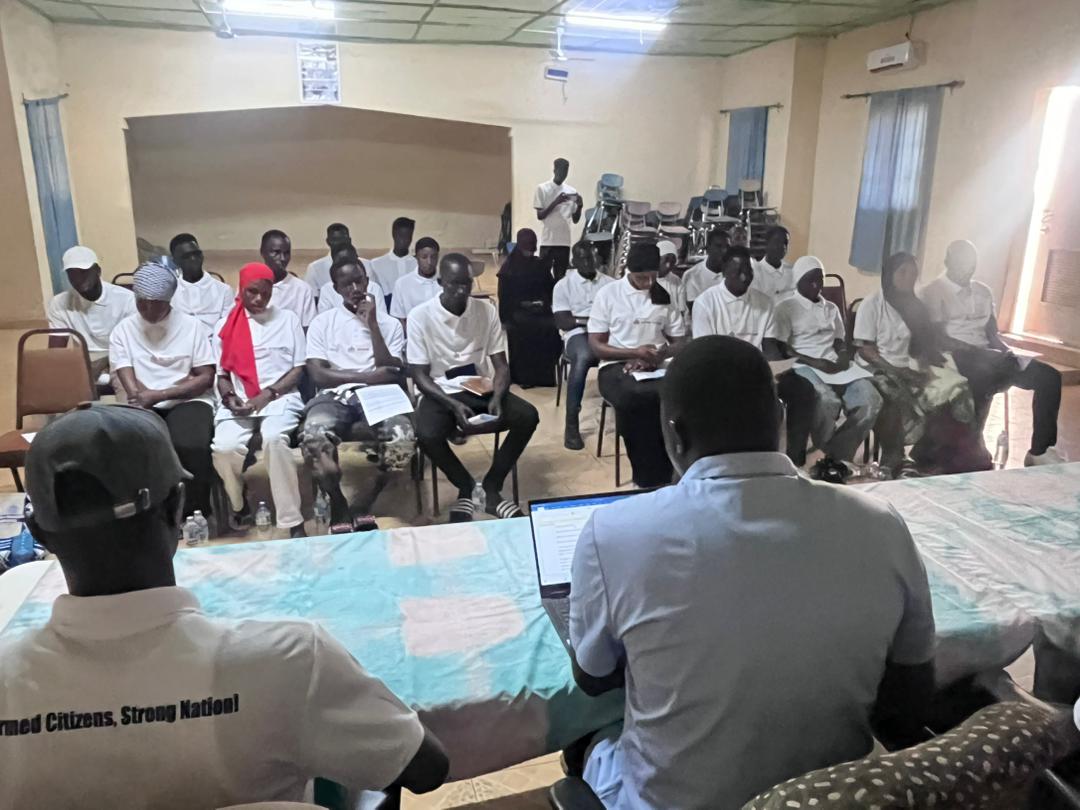
Acknowledging the energy and potential of young people—especially their connectivity via smartphones and social media—Kanuteh encouraged them to leverage these tools responsibly to advance peace, unity, and democracy.
Discussions throughout the training have emphasized the balance between rights and responsibilities, the dangers of ignorance, and the value of personal integrity under public scrutiny. By the training’s conclusion, organizers expect participants to emerge with a deeper appreciation for civic engagement and a commitment to integrity in leadership.
Attendees have already pledged to conduct step-down trainings in their respective communities upon returning home, extending the program’s reach and impact nationwide.
This initiative reflects ongoing collaborations, including UN Peacebuilding Fund-supported projects such as “Empowering Marginalized Young People for Inclusion in Civic Space,” which seek to build resilient infrastructure for peace and inclusive governance in The Gambia. As the country approaches a critical electoral period, such capacity-building efforts are seen as vital to ensuring youth voices contribute positively to a more accountable, enlightened, and democratic society.