The People’s Progressive Party (PPP), one of The Gambia’s oldest and most historically dominant political forces, marked its 67th anniversary with a stirring commemoration that spotlighted the pivotal role of women in the party’s founding, growth, and enduring commitment to gender-inclusive leadership.
Founded on February 14, 1959, as the Protectorate People’s Party, which later evolved into the PPP, the party dominated Gambian politics from independence in 1965 until the 1994 military coup, under the leadership of Sir Dawda Kairaba Jawara. Though its influence waned in subsequent decades, the PPP remains active, with recent congresses and events signaling efforts at resurgence.
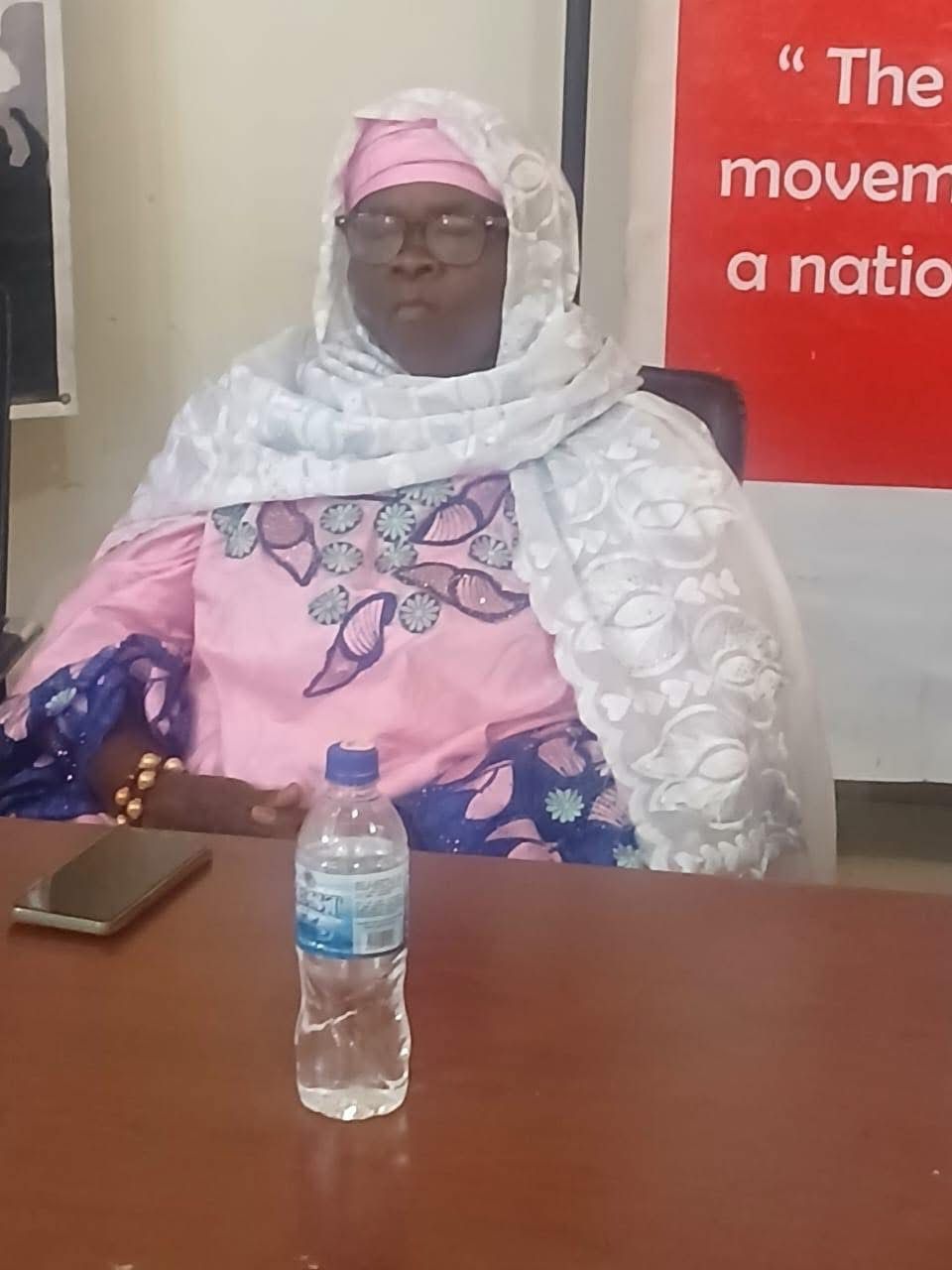
At the anniversary event, Hon. Aja Duta Kamaso, a prominent PPP figure and National President, delivered a passionate keynote address titled “People’s Progressive Party and Women’s Participation in Politics.” Speaking with pride and conviction, she emphasized that true national progress is impossible without empowering women, who constitute half the population and serve as essential drivers of development rather than mere beneficiaries.
Kamaso traced the deep roots of women’s involvement in the PPP back to its pre-independence origins. She highlighted Lady Aja Fanta Basse (also known as Fatou Fanta Basse Sagnia), who made history as the first female member of the executive in the Protectorate People’s Society—the precursor to the PPP—at a time when women’s political roles were virtually nonexistent. Her pioneering courage established an early foundation for organized female participation within the movement.
Another landmark figure was Augusta Mahoney Jawara, the first wife of Sir Dawda Kairaba Jawara, who became the first Gambian woman to contest an election, shattering social and political barriers and inspiring nationwide female engagement in electoral processes.
During the First Republic (1965–1994), the PPP government actively elevated women to high office. Hon. Aja Nyimasata Sanneh-Bojang broke ground as the first woman elected to the National Assembly on the PPP ticket, emerging as a fierce advocate for women’s rights and the eradication of harmful traditional practices.
Hon. Louise Antoinette N’Jie achieved another milestone as The Gambia’s first female cabinet minister, serving across portfolios including Health, Youth, Culture, and Social Welfare. She championed education, empowerment, and family-focused policies that advanced women’s status.
Kamaso also paid tribute to Aunty Ajaratou Yaa Fatou Sonko, a dedicated PPP stalwart who in 1979 became the first female President of the party. She later served as a Justice of the Peace and Counselor for Women’s Affairs in Kombo East and Kombo Central, devoting her life to public service and inspiring successive generations.
On a personal note, Kamaso acknowledged her own role models—the “Yaicompings” of her era—including Aja Ya Fatou Sallah, Kendaka Njie, Aja Tenneng Touray, Wulli Sutokoba, Aja Fatou Mbenga, Aja Ndey Secka, Aja Saffie Ndow, Aja Jambanding Drammeh, and Aja Mariam Alaba Mboge. These grassroots women politicians mentored and nurtured young leaders, profoundly shaping their political journey and motivating countless others to aspire to leadership.
A signature achievement under PPP governance was the creation of the Women’s Bureau under the Office of the President. This institution coordinated women’s affairs, advanced gender equality, and integrated women into policymaking, leadership training, and national dialogue—countering historical marginalization.
Through these and other measures, the PPP appointed women as ministers, parliamentarians, ambassadors, senior civil servants, and local leaders, affirming their capacity as policymakers and nation-builders.
Today, the PPP recommits to this legacy by bolstering its National Women’s Wing and ensuring female representation across party structures, regional bodies, youth initiatives, and national politics—from village levels to the National Assembly and, potentially, the presidency.
“Empowering women is not a favour—it is a democratic necessity,” Kamaso declared. “When women lead, families prosper, communities thrive, and nations develop.”
Looking ahead, the party pledges continued support for women’s education, economic opportunities, leadership development, and political inclusion, envisioning a Gambia where men and women partner equally in nation-building.