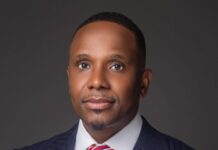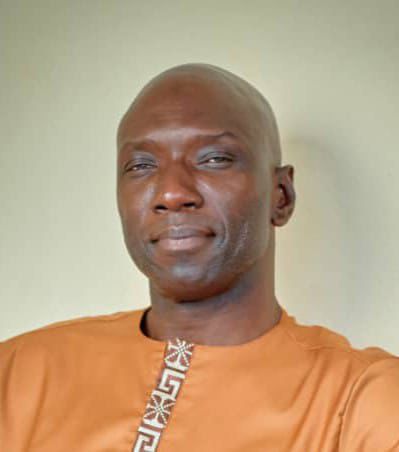
In a candid and wide-ranging interview on ‘The Final Take with MK,’ hosted by Sainey M.K. Marenah on Alkamba Times’ platforms, Dr. Ousman Gajigo, the former leader of the Patriotic Progressive Alliance (PPA), who now joins Gambia for All (GFA) as a senior Party official, offered a sharp assessment of Gambia’s political landscape just months ahead of the December 2026 presidential election.
Broadcast live on February 21, 2026, the discussion centered on whether fragmented opposition forces can coalesce into a viable alliance capable of dislodging President Adama Barrow and the National People’s Party (NPP) from power.
Dr. Gajigo, a respected development economist formerly with the African Development Bank and World Bank, emphasized that mere anti-Barrow sentiment is insufficient for meaningful change. “Opposition alliances must go beyond the goal of defeating the incumbent,” he stated. “They need to present a clear, credible governing vision that addresses the real crises facing Gambians—youth unemployment, economic hardship, the persistent ‘backway’ migration tragedy, and governance failures like stalled constitutional reforms.” Drawing from his recent merger between PPA and Gambia For All (GFA), he positioned the unified entity as a potential “third force” grounded in progressive, technocratic principles rather than traditional ethnic or personality-driven politics.
Reflecting on the current administration, Dr. Gajigo critiqued what he described as persistent economic mismanagement and corruption under President Barrow, who is widely expected to seek a controversial third term. He highlighted issues such as high living costs, inadequate access to electricity, and shortcomings in agricultural policy that have exacerbated hardship for ordinary citizens. “Nearly a decade after the 2016 democratic transition, many Gambians feel the promise of change has not materialized,” he noted, pointing to public disillusionment as a key driver for potential opposition momentum.
On the prospects for a broad coalition, Dr. Gajigo was cautiously optimistic but realistic about obstacles. He acknowledged strong public appetite—citing informal polls showing around 69% support for a united front—but warned that past coalitions, including the 2016 grouping that ousted Yahya Jammeh, faltered due to trust deficits, egos, and ideological clashes. “The biggest barriers are not policy differences but personal ambitions and lack of mutual respect,” he said. He urged opposition leaders from parties like the United Democratic Party (UDP), Gambia Democratic Congress (GDC), and newer movements to prioritize shared national interests over individual positioning.
The former PPA leader rejected the notion that fragmentation inevitably favors the incumbent, arguing that voters deserve genuine alternatives. He referenced his own refusal of a reported D30 million government consultancy offer—allegedly aimed at silencing his criticisms—as evidence of his commitment to independent politics. “PPA was formed to give Gambians real choices, not recycled options,” he affirmed.
Looking ahead, Dr. Gajigo outlined priorities for any progressive alliance: aggressive job creation for the youth bulge, reforms to curb irregular migration, transparent economic policies, and renewed efforts to push for constitutional term limits. He called on citizens to engage actively, urging them to overcome political fatigue by demanding accountability.
The interview underscored a growing urgency in Gambian politics as the 2026 vote approaches. With by-elections and party maneuvers signaling intensifying competition, Dr. Gajigo’s message was clear: success for the opposition hinges on unity rooted in substance, not symbolism. Whether his call resonates remains to be seen, but it marks a significant voice in the evolving debate over The Gambia’s democratic future.