By: Alieu Ceesay
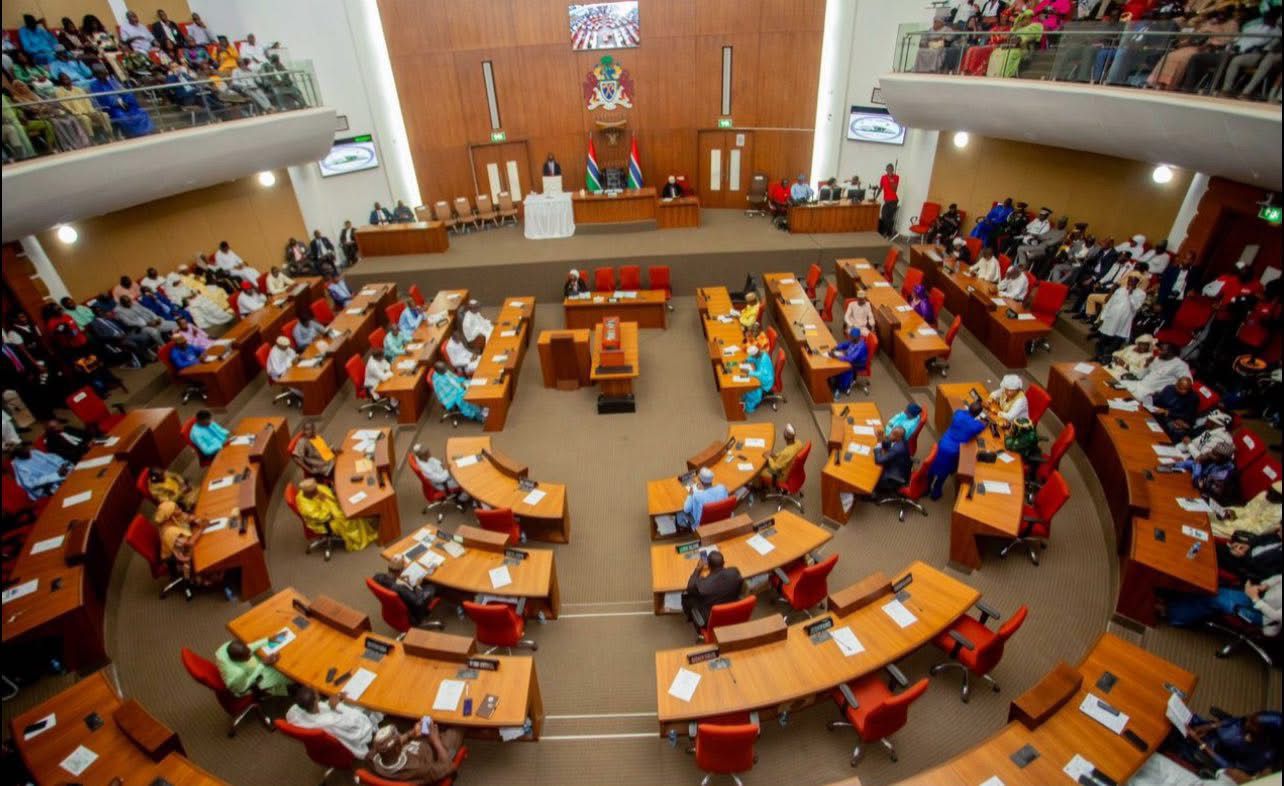
The National Assembly of The Gambia kicked off its First Ordinary Session of the 2026 legislative year on Monday, marking the start of a month-long period focused on advancing critical reforms in the country’s digital and economic landscape.
The session, which runs until April 1, opened with the referral of several proposed laws to the Assembly Business Committee (ABC) for detailed review. Among the most prominent was the Communications Bill 2025, tabled by the Minister of Communications and Digital Economy, Lamin Jabbi, which successfully passed its second reading before being sent to the committee.
The bill aims to overhaul the outdated Communications Act of 2009 by establishing a modern legal framework for electronic transactions, media, broadcasting services, and information communications technology (ICT). According to the minister, the legislation is designed to strengthen privacy protections, enhance cybersecurity, and create a more competitive environment for the sector.
“This bill is expected to establish a legal framework for electronic transactions, information, media, and broadcasting services, promoting national and regional competitiveness, ensuring the security of ICT infrastructure, and protecting personal data and privacy,” the minister stated during the second reading debate.
The proposed law seeks to foster the growth of the digital economy by introducing innovative approaches to information and media services in an increasingly digitized world. Key objectives include removing licensing barriers to encourage investment, promoting the adoption of new technologies, and safeguarding consumer interests through measures against privacy breaches, misleading advertising, and data misuse.
The minister underscored the bill’s role in building a resilient ecosystem capable of responding to rapid technological changes while bolstering national defense and public safety through secure communication infrastructure. “Cybersecurity cannot be and must not be a compromising issue,” the minister emphasized in response to lawmakers’ concerns.
Support for the bill came from several members across party lines. Hon. Alhagie Mbowe of Upper Saloum highlighted significant gaps in the existing 2009 Act, particularly in the licensing regime and the types of licenses required. “There are a lot of gaps… And I think it’s important that we update the current laws to match the current realities of the country,” he said, while calling for thorough scrutiny of the bill’s operational and regulatory aspects.
Hon. Almameh Gibba of Foni Kansala welcomed the measure as a vital step in tackling cybercrime challenges on digital platforms. “We will work together to support this bill… to make sure this is up and running,” he noted, stressing the need for holistic stakeholder engagement through the ABC and relevant committees.
Hon. Fatoumata Cham of Sanementereng described the bill as timely, pointing to the growing threat of online fraud affecting communities due to limited technical awareness.
The Communications Bill 2025 aligns with broader government efforts to regulate the digital economy, attract foreign investment, and position The Gambia competitively in regional markets. It forms part of an ambitious legislative agenda for the session, which also includes bills on intellectual property, investment promotion, climate change, and national security reforms.
As the bill now heads to the Assembly Business Committee, lawmakers are expected to conduct in-depth consultations, including stakeholder input, to refine its provisions and address any potential concerns. The outcome could significantly shape The Gambia’s digital future, balancing innovation with robust protections for citizens amid rapid technological advancement.