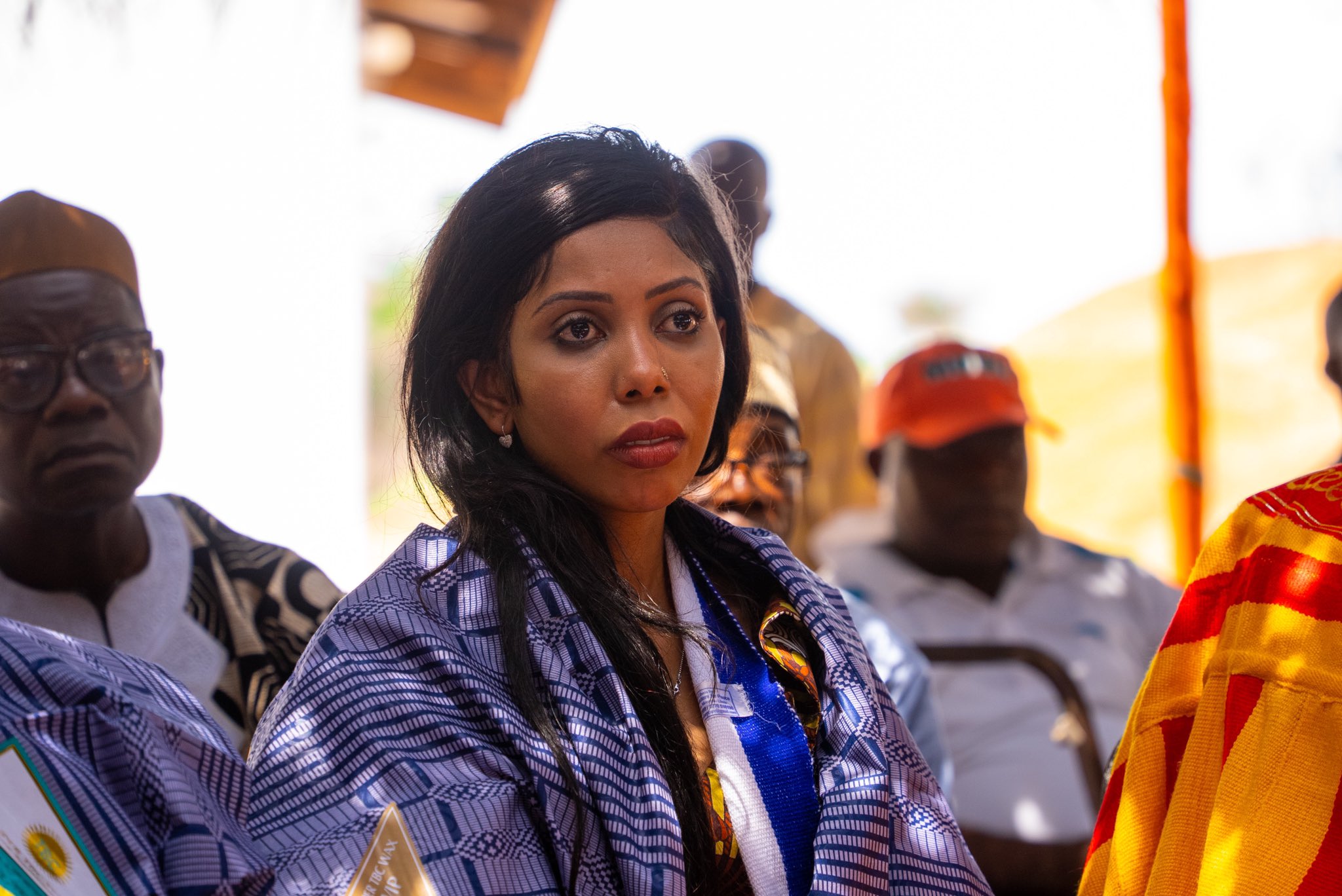
On International Women’s Day 2026, The Gambia proudly celebrates one of its most powerful voices in the global fight for gender equality and human rights: Jaha Marie Dukureh. A survivor of Type III female genital mutilation (FGM), daughter of an imam from the Soninke tribe, and founder of Safe Hands for Girls, Dukureh has transformed personal pain into a worldwide movement for change. Her journey—from the rural village of Gambisara to the halls of the United Nations—embodies the resilience, authenticity, and moral courage that define Gambian women at their best.
Dukureh’s passion was ignited not by ambition or opportunity, but by lived experience and a deep sense of responsibility. Growing up in a community where FGM was normalized and tied to identity, tradition, and sometimes religion, she carried a basic understanding of Islam rooted in compassion. “I knew there was no more authentic voice than mine in that moment,” she reflects. When she began speaking out, critics accused anti-FGM advocates of lying or chasing Western donors. Dukureh shattered that narrative: “I spoke because I had lived the experience and believed our communities deserved honest conversations about the harm it causes.”
She never pursued activism as a career. Even at the height of her work, Dukureh maintained jobs outside advocacy, wary of power imbalances between donors and communities. “My motivation was always simple: I genuinely believed we could make a difference,” she says. That belief birthed Safe Hands for Girls—a survivor-centered organization focused on education, community dialogue, and protecting the next generation. Today, her mission has evolved beyond the survivor narrative to building sustainable systems that empower Gambian women and girls from within their own societies.
The 2015 ban on FGM in The Gambia stands as one of her most significant contributions. “It transformed FGM from something widely normalized into a public human rights issue,” Dukureh explains. The law gave families—especially parents—the space to choose differently and provided girls with language and legal protections that had never existed before. A decade on, the conversation has irreversibly shifted: more Gambians discuss the issue openly, communities question long-held assumptions, and young people envision a different future.
Yet progress remains fragile. The 2024 parliamentary attempts to repeal the ban and the ongoing Supreme Court case highlight the need for constant vigilance. “Legal victories must always be accompanied by continued education, community dialogue, and accountability,” Dukureh stresses.
As a UN Women Goodwill Ambassador, Dukureh has experienced the power—and responsibility—of international platforms. UN Women stood by her during her darkest moments, when misinformation and attacks sought to discredit her. “They believed in my integrity and leadership,” she says. “That kind of support matters greatly.” She urges global bodies to do more than amplify voices—they must protect women leaders, invest in their leadership, and allow them to shape solutions. “When women from countries like The Gambia speak for themselves, the global conversation on gender equity becomes more grounded and effective.”
Shifting cultural attitudes has been among her toughest challenges. Misunderstanding and fear often framed her as an outsider attacking identity. “There is nothing more painful than waking up committed to supporting your people, only to have some see you as working for others,” she admits. She overcame this through respectful engagement, education, and dialogue with religious and traditional leaders. “Change cannot be forced; it must be nurtured,” Dukureh says. “When communities are approached with respect rather than judgment, they become more open to reflection.”
Looking ahead, Dukureh recommends three pillars for sustaining progress against FGM and gender-based violence: consistent law enforcement, community ownership, and integrating gender equity into education from childhood. “Real change lasts when it is owned locally,” she insists. She also links these issues to broader empowerment: education, economic opportunity, and leadership roles for women weaken the foundations of violence.
To young Gambian women aspiring to lead, Dukureh’s advice is direct and empowering: “Do not wait to be chosen! Choose yourself!” Leadership, she says, requires courage, integrity, and purpose—not perfection. “Your voice matters even when it feels uncertain… Stay curious, continue learning, surround yourself with support, and remember that taking care of yourself is part of leadership.”
Her Gambian heritage—Soninke roots, village upbringing—grounds her international work. “Being a village girl is one of the things I am most proud of,” she declares. “Everything I have built—my resilience, work ethic, sense of community—comes from that.” She envisions Gambian women leading Africa’s women’s rights movement with authenticity and cultural wisdom. “We do not have to import solutions; we can create models rooted in our realities.”
Jaha Dukureh’s story is a testament to the power of authentic leadership born from lived experience. She has turned silence into dialogue, pain into purpose, and personal survival into collective liberation. On International Women’s Day, *The Alkamba Times* honors her as a symbol of Gambian women’s unbreakable spirit—proving that when one woman rises with courage and conviction, she lifts entire communities, nations, and continents toward justice and equality.
Her legacy calls on the next generation to choose themselves, speak truth, and build a Gambia where every girl is safe, valued, and free to lead. Happy International Women’s Day to Jaha Dukureh and all Gambian women—your voices, your strength, and your vision continue to change the world.