By: Momodou Gagigo
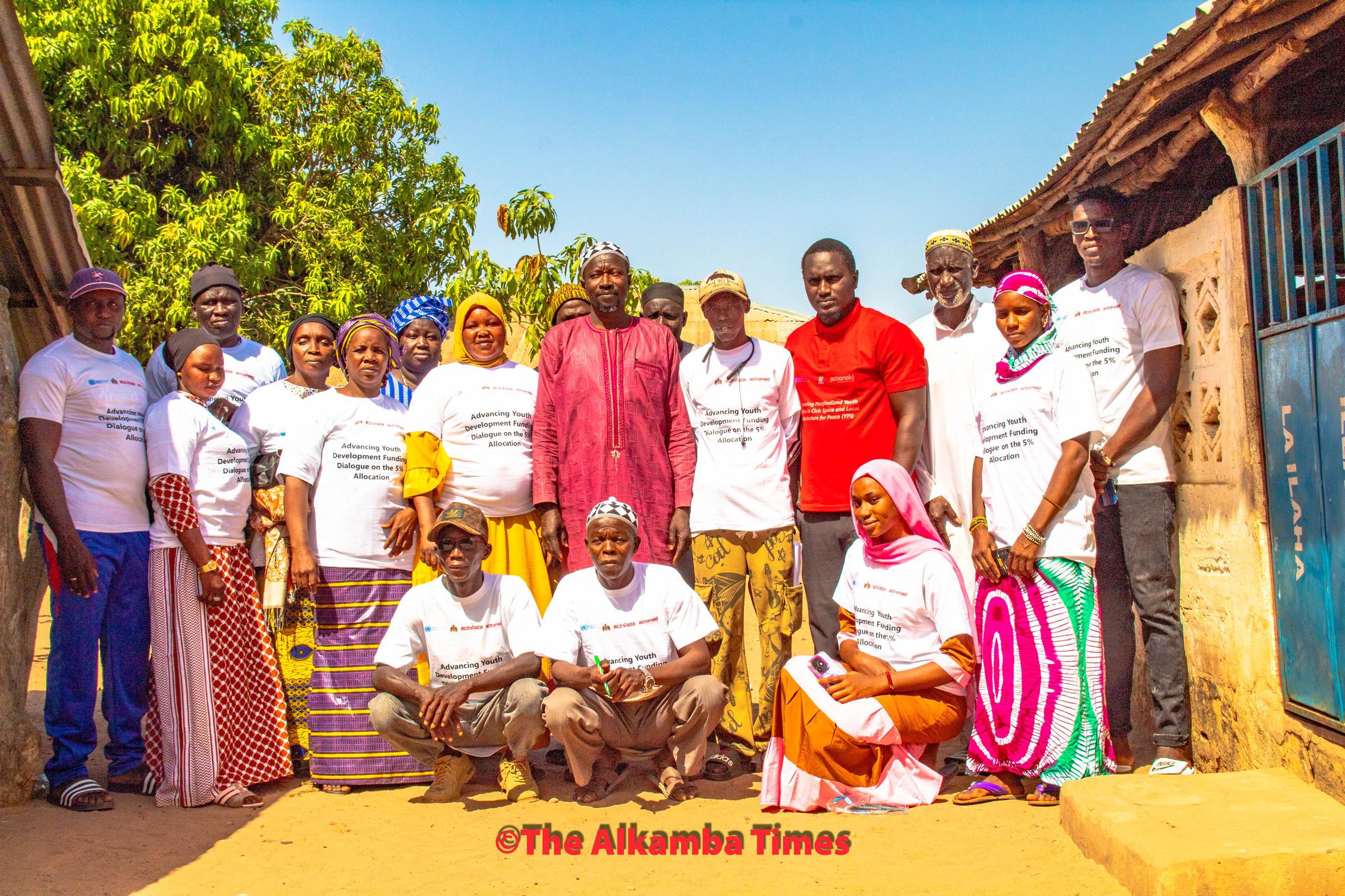
ActionAid International The Gambia, in collaboration with local partners and funding from the United Nations Peacebuilding Fund, recently organized a community caravan in Niamina East to advocate for greater inclusion of youth and women in local decision-making bodies. The initiative, part of the project “Empowering Marginalized Youth Inclusion in Civic Space and Local Infrastructure for Peace,” targeted District Tribunals, Village Development Committees (VDCs), and Ward Development Committees (WDCs) to promote more representative and inclusive governance at the grassroots level.
The caravan engaged district chiefs, community leaders, tribunal members, and residents in discussions aimed at educating stakeholders on the value of diverse representation. Participants emphasized that excluding youth and women from these structures limits perspectives on issues affecting communities, particularly those involving conflict resolution, justice, and development.
Amat Mbye, Kudang Apex Coordinator, explained that the activity—conducted in partnership with Kudang Apex and ActionAid—was designed to ensure meaningful participation of young people and women in key local institutions. “The caravan aims to ensure youth and women’s inclusion in District Tribunals, Village Development Committees, and Ward Development Committees,” he said. Mbye stressed that youth must be visible in village and community decision-making processes to foster responsibility and long-term societal progress.
Representing ActionAid International, The Gambia, Fatou Trawally highlighted the critical need for women and youth representation in District Tribunals, where community disputes are often resolved. “It is very crucial to have women and young people in the District Tribunals. It is their right to be part of the decision-making process,” she asserted. Trawally noted that the organization is advocating not only for inclusion but also for increased allowances to make such roles more appealing, particularly to financially strained youth.
Community voices echoed these calls. Nafiyoune Jabbi, a cluster community member in Niamina East, argued that incorporating women into tribunal spaces would strengthen democratic representation by involving all stakeholders. Omar Touray, Chief of Niamina East at Kerewan Touray village, praised ActionAid’s efforts to empower rural communities while aligning with government priorities. He revealed that his tribunal already includes about two women representatives and pledged to prioritize youth inclusion. “Young people will pave the way for justice in controlling situations of violence and other forms of abuse,” Chief Touray said. He committed to making Niamina East the first district to appoint a young person to the District Tribunal, while urging youth to respect elders and contribute to development.
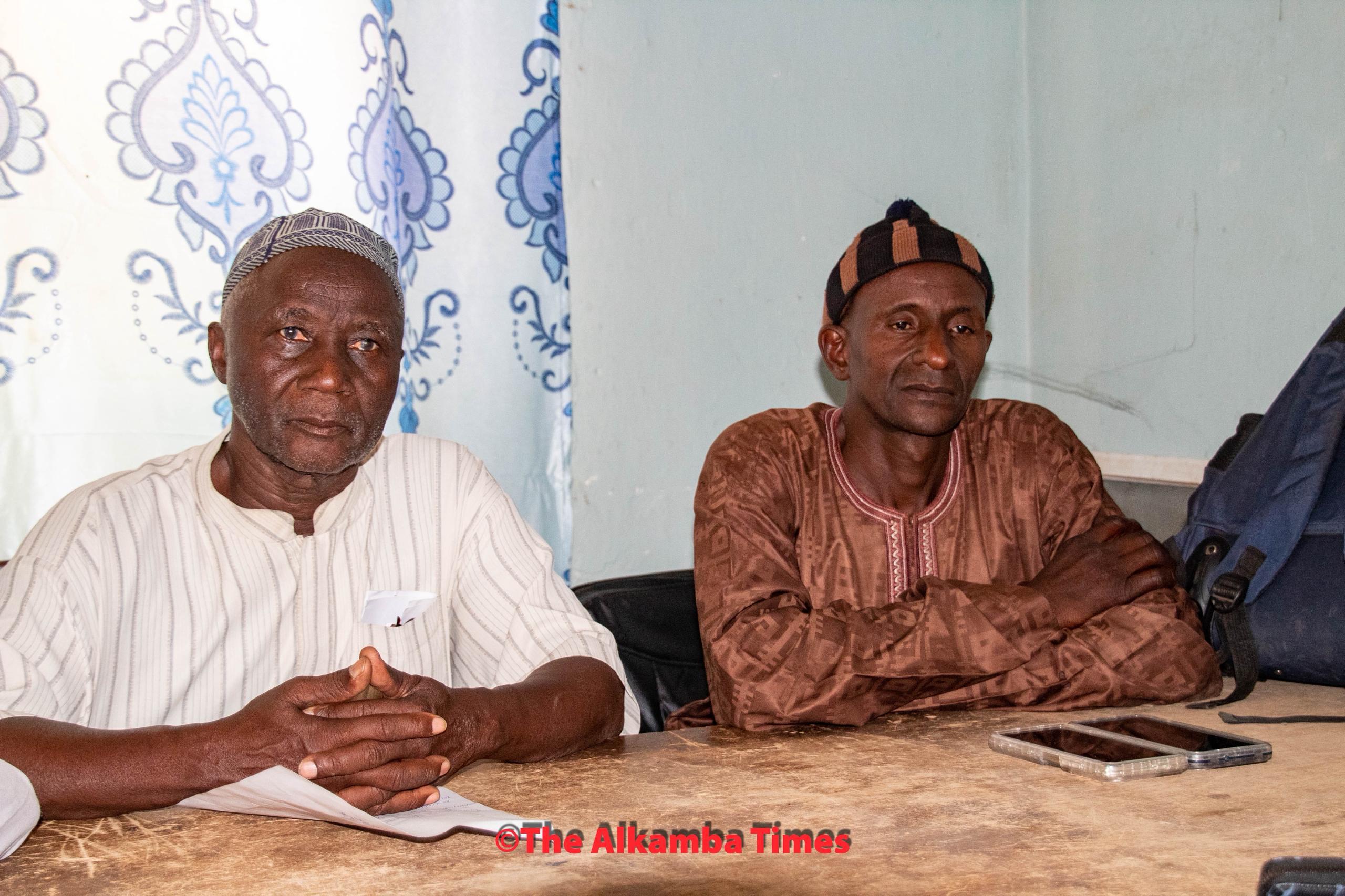
Isatou Sowe from Kerewan Touray stressed the importance of youth voices: “We need our voices to be heard. We need to have our very own youth representative in every District Tribunal in the country.” Malick Drammeh, former Youth District Chairman of Niamina East, added that youth involvement as mediators is essential, given that many tribunal cases concern young people. He called for training to equip them to handle tribunal matters effectively.
A recurring challenge raised during the caravan was the low monthly allowance of 1,000 dalasi for tribunal members, which many described as inadequate amid economic hardships. Chief Touray noted that despite numerous applications for youth representative positions, candidates found the payment insufficient. He referenced a presidential directive to the Minister of Local Government and Lands to increase allowances, though no changes have materialized. “Many young people are not interested in these positions because D1000 can barely cover their basic needs,” he said.
Similar concerns surfaced in related discussions, including with Chief Alagie Ali Touray of Bansang and tribunal members like Kemo Kanteh and Drammeh Jallow, who highlighted how low incentives deter youth participation, especially when cases often involve vulnerable groups like women and young people.
ActionAid’s Fatou Trawally reinforced that attractive allowances would motivate youth to pursue these roles. She urged chiefs and tribunal members to advocate for increments, warning that without government action, underrepresentation would persist.
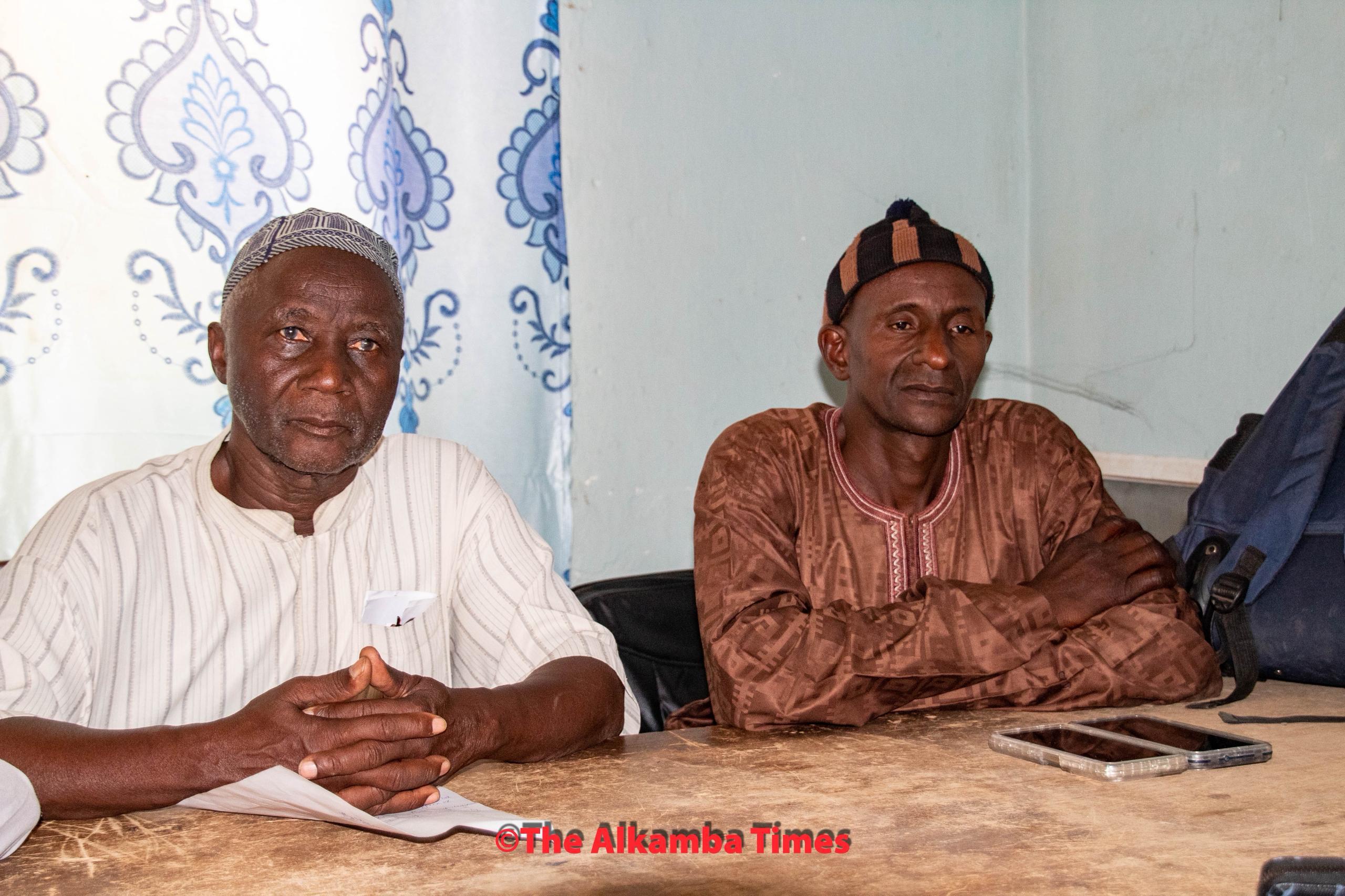
Amat Mbye reiterated that youth are “ingredients of society” and deserve places in decision-making structures from an early stage. Other participants, including VDC Chairman Malick Jammeh of Sankulleh Kunda and Chief Lamin Baldeh, encouraged active youth engagement in volunteer and civic roles to build skills and drive national progress.
The caravan reflects broader efforts under the UN Peacebuilding Fund to build inclusive civic spaces and sustainable peace in The Gambia by empowering marginalized groups in local governance. Chiefs and community leaders expressed their commitment to implementing changes, signaling potential shifts toward more equitable representation in rural districts like Niamina East.