By Alieu Ceesay
As The Gambia seeks to strengthen its position in the global economy, members of the National Assembly have been called upon to rigorously examine bilateral investment treaties (BITs) before ratification to safeguard national interests and prevent potential harm to the country’s development goals.
The appeal came during a special orientation workshop organized for the National Assembly Select Committee on Trade and Regional Integration by ActionAid International, The Gambia. The session aimed to equip lawmakers with critical knowledge on the long-term implications of these treaties, which are often signed to attract foreign direct investment but can carry significant legal and financial risks.
In his welcome address, Deputy Clerk of the National Assembly Mr. Buba Jatta emphasized the growing importance of bilateral investment treaties in shaping foreign economic policy.
“We are gathered here this morning to discuss a very important matter, bilateral investment treaties,” he said. While acknowledging that such agreements are designed to attract investment and create jobs, Jatta warned that they also impose legal and financial obligations that could constrain domestic policymaking.
He reminded lawmakers of their constitutional responsibility, stating firmly: “No international treaty or bilateral agreement can legally bind The Gambia without your approval. You are the ultimate gatekeepers of our national sovereignty.”
Jatta urged the parliamentarians not to rubber-stamp agreements but to scrutinize them thoroughly. “We must ask ourselves… does this treaty protect foreign investors at the expense of our local industries? Does it expose the state to costly international litigations, or does it genuinely foster sustainable national growth?” he questioned.
The Chairperson of the Select Committee on Trade and Regional Integration, Honorable Kebba Jallow, described BITs as vital tools for fostering international economic cooperation and building investor confidence.
“At the same time, honorable colleagues, they also provide host countries with opportunities for economic growth, job creation, technology transfer, and international partnerships,” Hon. Jallow noted. However, he stressed the need for balance in an increasingly interconnected world. “Our discussion today should therefore focus not only on attracting investment but also on ensuring sustainable development and mutual prosperity.”
The Executive Director of ActionAid International, The Gambia, Ndella Faye-Colley, raised stronger concerns, pointing out that while BITs are promoted as magnets for foreign capital, global evidence often shows limited benefits for host nations, particularly developing countries.
“Most of the time, the direct beneficiaries of these treaties are the foreign investors… and most of the time not the countries that signed up for it,” she said. She highlighted numerous international cases in which countries faced costly investor-state dispute settlement (ISDS) proceedings, resulting in heavy financial burdens on national treasuries.
“The Gambia is no exception,” she warned, urging African nations to review and reform problematic aspects of such treaties that may perpetuate inequality instead of reducing it. “We need to benefit from external partnerships and agreements, but we also want to make sure that it does not end up in an extortion of the limited resources we have as a country.”
The Executive Director called on lawmakers to actively champion the interests of ordinary Gambians, especially low-income individuals, when reviewing future treaties.
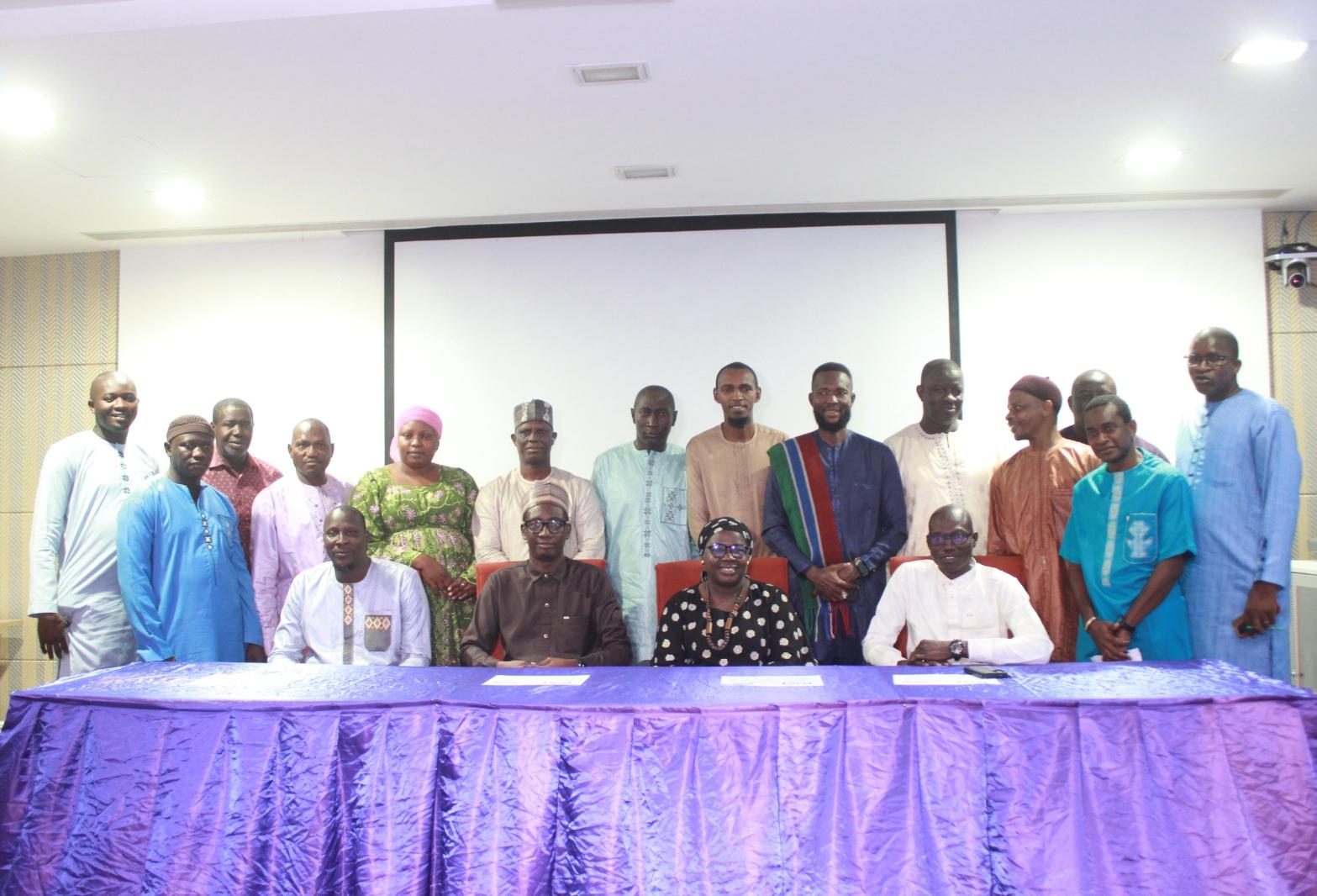
The workshop brought together members of the Trade Committee, National Assembly staff, media representatives, and ActionAid officials. Discussions focused on providing technical insights to help lawmakers better analyze treaty provisions and assess their potential impact on The Gambia’s economy, sovereignty, and citizens’ welfare.