By Alieu Ceesay
Long before government officials took their seats, ordinary residents streamed into the venue, carrying personal stories of resilience, hope, and daily hardship. For many in the Lower River Region (LRR), ActionAid International The Gambia’s quarterly Technical Advisory Committee (TAC) meeting represented far more than a routine bureaucratic gathering. It was a vital platform to ensure their concerns reached those with the power to effect real change.
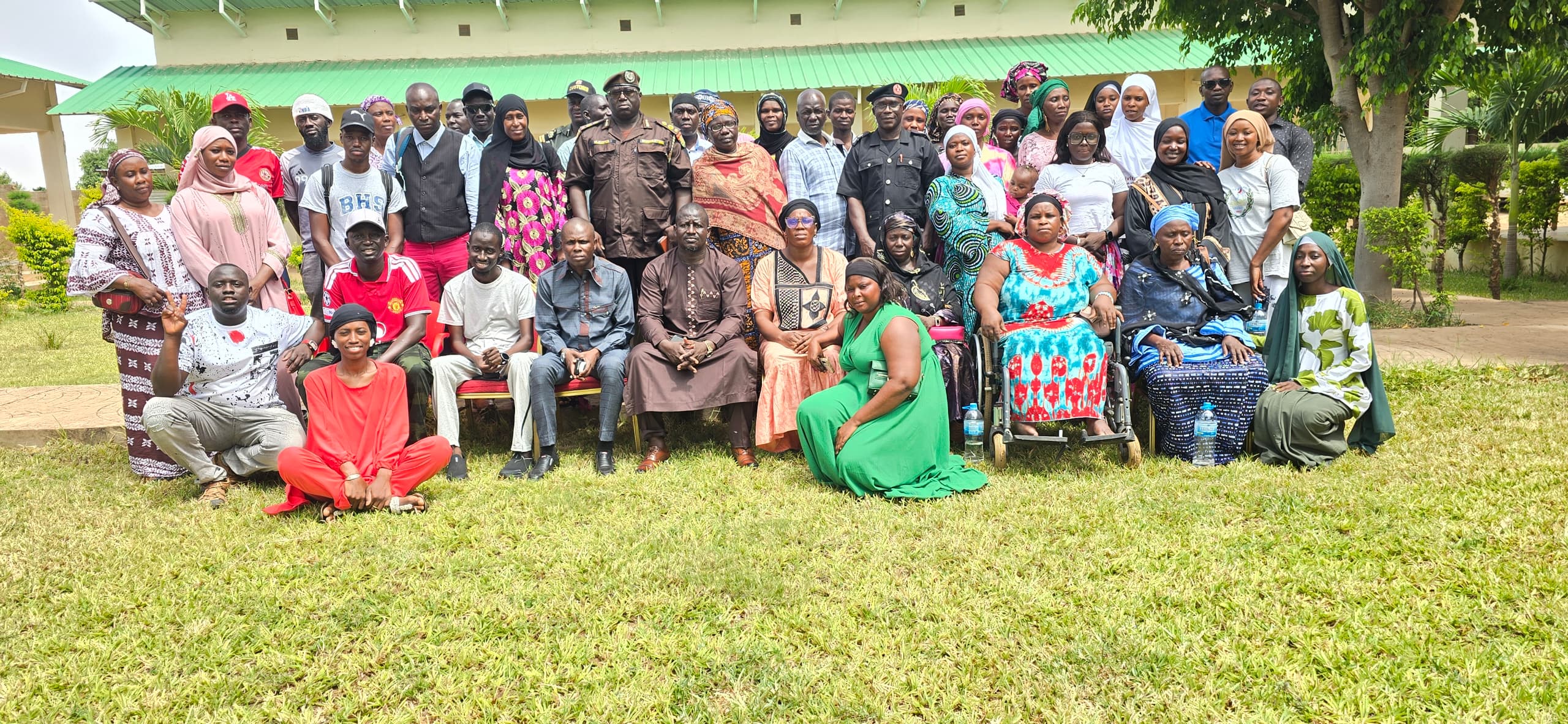
Held in the heart of the region, the meeting brought together representatives from government institutions, local authorities, civil society organizations, and community members. The central question guiding discussions was clear: how can development initiatives more effectively improve the lives of ordinary Gambians?
The TAC serves as a key accountability forum, allowing stakeholders to review progress over the previous three months, assess ongoing projects, and engage in frank dialogue about ground realities. Participants highlighted notable achievements in livelihood support, agriculture, education, women’s empowerment, and community resilience to shocks. Speakers credited strong collaboration between government agencies, development partners, and residents for tangible improvements across several communities.
Yet challenges remain stark. During open sessions, residents voiced pressing concerns. Mariama Fofana, a vegetable producer, spoke passionately about the difficulties faced by women gardeners. “We are gardeners, and most of our earnings come through gardening, so we want the agriculture department to assist us in terms of locally made manure and seeds as well. You know seeds are a very important thing for us,” Fofana told the gathering. Her appeal echoed the needs of numerous women’s gardening groups across the region who depend on reliable inputs for their livelihoods.
Regional agriculture officials responded directly, noting current efforts to distribute seeds and train women on producing local manure. “As I speak right now, we are offloading seeds for farmers and for local manure we sent our field trip personnel who are teaching women gardeners,” a representative explained.
Despite such initiatives, participants acknowledged broader obstacles: limited resources, the intensifying impacts of climate change, youth unemployment, and inadequate access to essential services. These issues continue to constrain development progress in many communities.
Landing B Sanneh, Chairman of the Mansakonko Area Council, described the TAC as a crucial mechanism for accountability and transparency. “As the elected representative of the people, I think this is created to support me in disseminating information, in clearing doubts with my people who want to know what I’m doing,” Sanneh said. “This platform creates an avenue for me to account to them… for transparency to prevail, for each of the agencies working in the area to tell the people what they are doing.”
Sekou Darboe, LRP9 Manager for ActionAid International The Gambia, emphasized the meeting’s motivational impact on service delivery. “One of the impacts of this is it forces every institution to have an activity before the quarter ends. Because you cannot come and tell the governor and the people that you don’t have an activity throughout the whole quarter, so this is forcing everybody to create an activity,” Darboe noted.
For residents like Yaya Sanneh, the meetings have been eye-opening. “Before this TAC, many people didn’t know the existing institutions that they have within their region. Thanks to this TAC meeting, you will understand the number of institutions… where their offices are located, and who the directors are,” he said. The TAC evolved from earlier town hall meetings into its current structured format, deepening community engagement.
As the session concluded, stakeholders reaffirmed their commitment to sustained collaboration, transparency, and accountability. Communities left with renewed hope that the promises made will translate into concrete actions by the next quarterly gathering. In the end, progress will be judged not merely by reports, but by visible improvements in people’s daily lives.